Scalable Microservices: Building Modular Manufacturing Software for Multi-Plant Rollouts

The global manufacturing sector is undergoing a massive digital shift. Traditional, bulky software systems can no longer keep up with the speed of modern production. As companies expand to multiple locations, they face a major challenge. How do you deploy the same high-quality software across ten different plants without it breaking? The answer lies in Manufacturing Software Development focused on microservices. By breaking down one giant application into small, independent pieces, a Manufacturing Software Development Company can build a system that scales globally.
The Problem with the Monolith in Industry
For years, factories relied on "Monolithic" software. In this model, every feature—from inventory to machine monitoring—lives in a single, massive codebase. This creates several technical risks:
-
Single Point of Failure: If the reporting module crashes, the entire production line might stop.
-
Scaling Hurdles: You cannot scale just the "High-Frequency Sensor" part of the system. You must scale the whole giant app, which wastes expensive server memory.
-
Slow Updates: Changing one line of code requires redeploying the entire system. This often causes hours of downtime.
-
Multi-Plant Friction: Every factory has slightly different needs. A monolith makes it hard to customize one plant without affecting the others.
Data from 2026 shows that companies using legacy monoliths spend 70% of their IT budget on maintenance alone. This leaves very little room for innovation or growth.
What are Scalable Microservices?
In a microservices architecture, you build the software as a suite of small services. Each service runs its own process and communicates with others using lightweight protocols like HTTP or gRPC.
The Core Principles
-
Single Responsibility: Each service does one thing well. For example, one service manages "Quality Alerts" while another handles "Shift Schedules."
-
Independent Databases: Unlike old systems, each microservice has its own private database. This prevents a "Data Traffic Jam" where every module fights for the same table.
-
Containerization: Developers package each service into a "Container" (like Docker). This ensures the software runs the same way in a plant in Germany as it does in a plant in India.
Why Multi-Plant Rollouts Need Microservices
Expanding a digital system across multiple global sites is the ultimate test of software. A professional Manufacturing Software Development Company uses microservices to solve the "Global vs. Local" problem.
1. Independent Scaling for Local Demand
One factory might have 500 sensors, while another has 5,000. With microservices, you only scale the "Data Ingestion" service for the larger plant. You do not pay for extra capacity where it is not needed.
2. Localized Customization
Imagine Plant A uses a specific robotic arm, but Plant B uses a different brand. In a modular system, you only swap out the "Robotic Driver" service. The rest of the software—like the analytics or the dashboard—stays exactly the same.
3. Zero-Downtime Rollouts
Multi-plant companies cannot afford global shutdowns. Microservices allow for "Canary Deployments." You can update the "Inventory Service" in one plant first. If it works perfectly for 24 hours, you roll it out to the other nine plants. If it fails, only one small part of one plant is affected.
Technical Infrastructure for Success
Building this system requires a modern technical stack. Expert Manufacturing Software Development teams focus on these three layers:
1. The API Gateway
This is the "Receptionist" of the system. All requests from the factory floor go through this gateway. it handles security, traffic limits, and directs the request to the right microservice.
2. Event-Driven Messaging (Kafka/RabbitMQ)
Factories generate "Events" every second (e.g., "Machine Overheated"). Instead of services calling each other directly, they "Publish" events to a central bus. This prevents the system from getting "Tight-Coupled," where one slow service bogs down the rest.
3. Service Mesh (Istio/Linkerd)
As you reach 50 or 100 microservices, managing them gets hard. A service mesh acts as a dedicated layer to handle communication, security, and "Observability" (seeing which service is healthy).
Performance Statistics in 2026
The shift toward modular manufacturing software is backed by strong data.
|
Metric |
Monolithic Architecture |
Microservices Architecture |
|
Deployment Frequency |
Monthly / Quarterly |
Daily / On-Demand |
|
Recovery Time (MTTR) |
4 - 8 Hours |
< 15 Minutes |
|
Infrastructure Waste |
45% (Idle CPU) |
12% (Optimized) |
|
Time-to-Market (New Feature) |
6 Months |
3 - 4 Weeks |
A recent survey of industrial CTOs found that 82% of leaders believe microservices are essential for managing global factory footprints.
Challenges and How to Solve Them
While powerful, microservices are more complex to build than simple apps. A Manufacturing Software Development Company must help you navigate these hurdles.
1. Data Consistency
Since every service has its own database, keeping them in sync is tricky.
-
The Fix: Use "Eventual Consistency." When an order is completed, the "Production Service" tells the "Inventory Service" to update. It might take a few milliseconds, but the system stays fast and reliable.
2. Network Latency
Talking over a network is slower than talking inside a single app.
-
The Fix: Use high-speed protocols like gRPC. Place the compute clusters physically close to the machines (Edge Computing) to reduce the distance data travels.
3. Security Surface Area
More services mean more "Doors" for hackers to try.
-
The Fix: Implement "Zero Trust" architecture. Every single service must prove its identity before it can talk to another service. Use automated tools to scan for vulnerabilities in your containers every day.
Case Study: The Global Automotive Supplier
A major automotive parts maker had five plants worldwide. They used a monolithic ERP system that crashed twice a month. Updates took so long that each plant was running a different version of the software.
They hired a Manufacturing Software Development to rebuild their core logic using microservices.
-
Phase 1: They moved "Maintenance Alerts" to a separate microservice.
-
Phase 2: They built a "Global Dashboard" that pulled data from all five plants in real-time.
-
Phase 3: They containerized the entire system for one-click deployment.
The Result: System uptime reached 99.99%. They saved $1.2 million per year in cloud costs by only scaling the services under heavy load.
A Strategy for 2026: Step-by-Step Migration
You do not have to delete your old system overnight. Most experts suggest the "Strangler Fig" pattern.
-
Identify a Pain Point: Pick the one module that crashes most often or needs the most updates.
-
Build a Microservice: Create that one module as a new, independent service.
-
Redirect Traffic: Move the users from the old module to the new microservice.
-
Repeat: Slowly "strangle" the old monolith until it is gone.
This approach ensures that your factory keeps running while you modernize. It reduces risk and proves the value of the new system early on.
The Business Argument for Modular Software
CTOs often ask if the complexity of microservices is worth it. For a single-site workshop, perhaps not. But for any growing enterprise, the benefits are clear.
-
Agility: You can react to market changes in weeks, not months.
-
Talent: Modern developers want to work with modern stacks (Go, Python, Kubernetes).
-
Resilience: A bug in your "HR Module" will never stop a "Laser Cutter" on the floor.
-
Cost Control: You stop paying for massive servers that sit 70% idle.
Conclusion
The "Concierge Cloud" of manufacturing is here. Scalable microservices offer the only way to manage the complexity of the modern industrial world. They provide the flexibility to customize local plants while maintaining a global standard.
By partnering with a skilled Manufacturing Software Development Company, you can move away from the "One-Size-Fits-All" trap of the past. You build a system that is as modular as the products you manufacture.
In 2026, the software is the factory. If your software cannot scale, your business cannot grow. Embrace the modular revolution. Turn your digital infrastructure into your greatest competitive advantage. The era of the "Software-Defined Factory" has arrived.
Categories
Read More
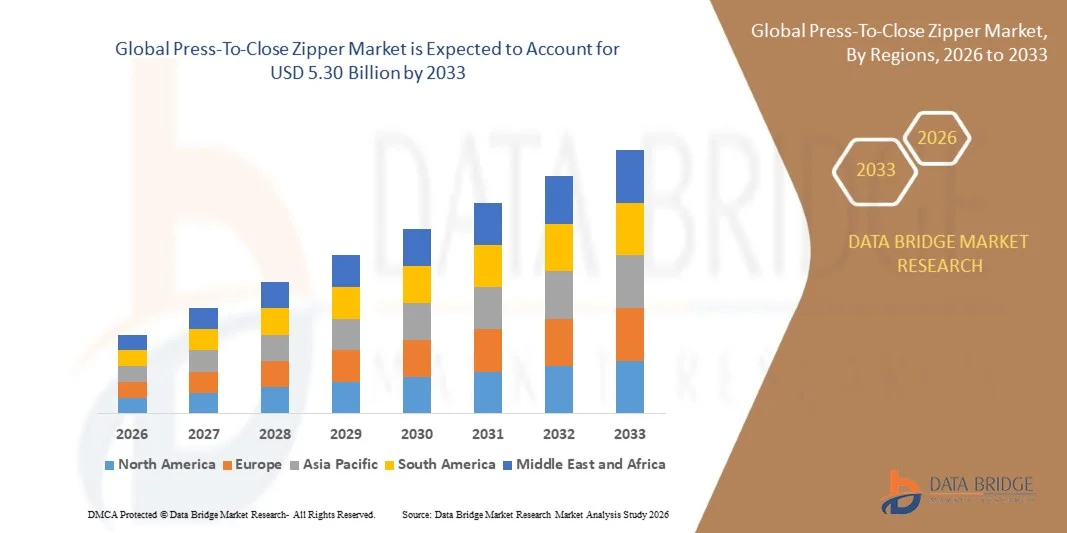
"Press-To-Close Zipper Market Summary According to the latest report published by Data Bridge Market Research, the Press-To-Close Zipper Market The global press-to-close zipper market size was valued at USD 2.78 billion in 2025 and is expected to reach USD 5.30 billion by 2033, at a CAGR of 8.40% during the forecast period A comprehensive Press-To-Close...
Boston Logan International Airport (BOS) is a major gateway for domestic and international travel, serving millions of passengers every year. Travelers departing from Alaska Airlines BOS Terminal at Terminal B can expect a convenient and comfortable airport experience. Terminal B combines modern facilities, efficient passenger services, and excellent amenities to help travelers move smoothly...

The Allergic Rhinitis Market is witnessing steady expansion, driven by the increasing prevalence of allergic disorders, rising exposure to environmental pollutants, and growing awareness about effective diagnosis and treatment options. Allergic rhinitis is a common respiratory condition characterized by symptoms such as sneezing, nasal congestion, runny nose, and nasal itching, often...

Small and medium enterprises play a crucial role in economic development, yet many face challenges related to skills, scalability, and market access. To address these issues, the walmart program has been introduced as a structured initiative that focuses on empowering businesses through training, mentorship, and long-term capability building. Unlike short-term support schemes, the walmart...
In today's fast-paced, high-performance work culture, staying sharp, alert, and focused throughout the day is more challenging than ever. Whether you're managing back-to-back meetings, working long hours, or facing tight deadlines, mental fatigue can be a serious productivity killer. That’s where Modalert 200 mg comes into play—widely known as a "smart drug" or nootropic...