What does a SIM card reseller program mean, and how does it function?
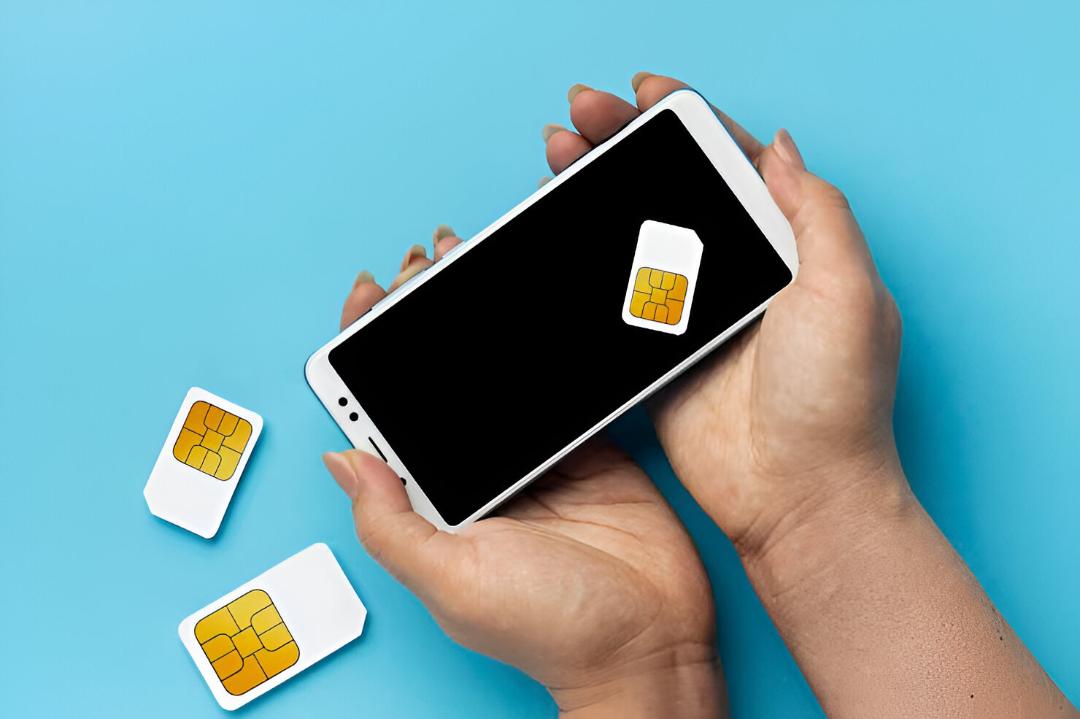
Let’s not overcomplicate this. A SIM card reseller program is basically a way for regular business owners—storefront shops, kiosks, online sellers—to sell mobile SIM cards under a larger telecom network without actually being the telecom company. You don’t build towers. You don’t run infrastructure. You sell access. That’s it.
But here’s the part people miss. It’s not just about handing someone a SIM and collecting twenty bucks. It’s about recurring revenue. Activities. Top-ups. Add-ons. And if you position it right, customer loyalty sticks hard.
When I first looked into the SIM card reseller program space, I thought it was another “be your own boss” pitch. It’s not. It’s a distribution model. And distribution done right makes money. Period.
Now, when you combine that with something like a koodo dealership, you start seeing a more serious opportunity. Not side-hustle vibes. Actual business.
Why the Demand for SIM Card Reselling Keeps Growing
Mobile isn’t slowing down. Not in Canada. Not anywhere.
Everyone needs a phone plan. Students. New immigrants. Gig workers. Seniors switching plans. People are always activating, porting numbers, changing providers. And a SIM card reseller program positions you right in the middle of that churn.
The beauty? You don’t have to convince people they need a phone. They already know.
What you’re really selling is flexibility. Prepaid options. No-contract plans. Budget alternatives. That’s where brands like Koodo made their name. Under the bigger Telus umbrella, but positioned for value. And that’s exactly why the idea of a koodo dealership attracts entrepreneurs who want a recognized name behind them.
People trust brands they’ve seen before. It lowers resistance. Makes sales easier. That matters.
How a SIM Card Reseller Program Actually Works
Okay, let’s break it down without corporate fluff.
You partner with a telecom provider or master distributor. They supply the SIM cards, backend activation portal, rate plans, and support. You handle the front end — customer interaction, verification, selling, activating.
You earn commissions on activations. Sometimes on recurring monthly payments. Sometimes bonuses if you hit targets.
Margins vary. That depends on volume and the provider. Some programs are lean but scalable. Others give better per-unit payouts but cap growth.
The setup is usually simple. A point-of-sale system, internet access, a small upfront inventory buy. Nothing crazy. Compared to opening a full telecom retail store, it’s low overhead.
That’s why so many convenience stores and electronics shops quietly run a SIM card reseller program in the background. It adds income without blowing up expenses.
SIM Card Reseller Program vs Full Koodo Dealership
Now here’s where people get confused.
A SIM card reseller program is lighter. Easier entry. Lower commitment. You’re selling access and plans. Sometimes phones, but usually limited.
A koodo dealership is a different animal.
If you secure an official koodo dealership, you’re representing the brand more formally. Branded signage. Dedicated space. Higher volume expectations. More support, yes, but more responsibility too.
You’ll likely need stronger credit, a business track record, and retail space that meets brand standards. It’s not a side counter next to lottery tickets. It’s closer to a full telecom retail operation.
The upside? Bigger commissions. Device sales. Accessory margins. Financing plans. You’re not just selling SIM cards anymore. You’re running a telecom outlet.
So the choice depends on your appetite. Low-risk add-on? Go with a SIM card reseller program. Want to build something substantial? A koodo dealership might be your lane.
Startup Costs and What You’re Really Paying For
People always ask about cost first. Fair.
For most SIM card reseller programs, startup costs are manageable. Initial SIM inventory, maybe a small deposit, sometimes a software onboarding fee. You’re not investing six figures.
The bigger investment is time and foot traffic.
If you’re opening a koodo dealership, different story. Retail lease. Buildout. Fixtures. Staff. Branding requirements. You’re committing capital. No way around it.
But here’s the nuance. Higher investment doesn’t automatically mean higher risk if you’ve got location locked down. High-traffic malls, busy commercial strips, immigrant-dense neighborhoods—these convert well for telecom.
What kills people isn’t cost. It’s poor location and no marketing effort.
Who Should Consider a SIM Card Reseller Program?
Not everyone.
If you already run a convenience store, electronics repair shop, or small mobile accessory business, adding a SIM card reseller program is almost common sense. You already have customers walking in asking about data plans.
It fits naturally.
If you’re completely new to retail and think this is “passive income,” pump the brakes. It’s still sales. You still need to talk to people. Explain plans. Handle number porting issues. Sometimes deal with frustrated customers when networks glitch.
If you like direct customer interaction, this works. If you hate it? It’ll feel heavy.
A koodo dealership especially demands strong sales ability. You’ll be competing with other carriers in the same plaza sometimes. That takes confidence.
Profit Potential: Let’s Be Honest
Here’s where people either get excited or disappointed.
Individual SIM activations won’t make you rich overnight. We’re talking commissions that add up over volume. The power comes from stacking.
Multiple activations daily. Add device sales. Add accessories. Add recurring spiffs and bonuses.
Over months, the revenue builds into something steady. Predictable.
With a koodo dealership, the earning ceiling rises. Device financing plans bring higher payouts. Accessory bundles boost margins. Protection plans add recurring revenue.
But you need throughput. Without consistent foot traffic and solid conversion rates, it’s just rent and stress.
There’s no magic here. It’s retail. Done well, it’s profitable. Done lazy, it fades fast.
Challenges Nobody Talks About
Let’s not sugarcoat.
Carrier policies change. Commission structures shift. Promotions rotate. You’ll need to stay updated constantly.
Customer service issues? They land on you first. Even if the network problem isn’t your fault.
Competition is real. Big-box stores, online activations, direct carrier websites. That’s why local trust matters. Face-to-face still wins in certain demographics.
Running a SIM card reseller program requires attention to detail. Activation errors cost time. Incorrect documentation slows payouts.
With a koodo dealership, audits and compliance matter. Brand standards aren’t optional.
If that sounds overwhelming, good. It should. Business isn’t supposed to be easy.
How to Increase Sales in Your SIM Card Reseller Program
This isn’t complicated, but it does require intention.
Talk about the plans. Don’t wait for customers to ask. Train staff to bring it up naturally. “Hey, who’s your current provider?” Simple opener.
Bundle accessories. Offer screen protectors with activation discounts. Small moves, real impact.
Community matters too. Local ads. Flyers. Sponsoring small events. Word spreads faster than digital ads sometimes.
If you operate a koodo dealership, lean into the brand strength. Highlight affordability. Flexible plans. No long contracts. That messaging resonates.
Consistency beats flashy promotions. Every day, same effort. That’s how you build volume.
The Long-Term Vision: Building a Telecom Asset
Here’s something most beginners overlook.
A successful SIM card reseller program can evolve. You start small. Then expand product lines. Maybe add other carrier partnerships. Maybe transition into a full telecom retail outlet.
Some eventually pursue official partnerships like a koodo dealership once they’ve proven sales volume. That track record helps.
Telecom isn’t glamorous. It’s stable. People pay phone bills before many other things. That reliability gives your business backbone.
If you treat it seriously, not like a side hustle experiment, it can turn into a multi-location operation over time.
That’s the difference between dabbling and building.
Conclusion: Is a SIM Card Reseller Program Worth It?
Short answer? Yes—if you approach it like a business, not a lottery ticket.
A SIM card reseller program offers low entry barriers and consistent demand. It’s practical. Scalable. Grounded in real consumer need.
A koodo dealership, on the other hand, demands more commitment but opens bigger earning potential and brand leverage.
Neither option is automatic success. Both require hustle. Sales skills. Patience.
But in a world where everyone needs connectivity, positioning yourself as the local provider isn’t a bad place to be.
Just don’t expect magic. Expect work. Then build something that lasts.
Categorias
Leia Mais
Erectile dysfunction (ED) affects millions of men worldwide, and while it can feel frustrating or embarrassing, the good news is that many cases are highly treatable — often without medication. Lifestyle plays a major role in sexual health, and simple daily changes can significantly improve erectile function, confidence, and overall quality of life. While medical treatments and ED...

The global Content Authoring Tools is witnessing rapid expansion as organizations increasingly adopt digital learning, online training, and interactive educational solutions. According to The insight Partners, The global content authoring tools market size is projected to reach US$ 4.23 billion by 2034 from US$ 1.31 billion in 2025. The market is anticipated to register a CAGR of...

Are you familiar with the essential business documents? They are estimates, purchase orders, invoices, and receipts. Each document has a unique purpose at each phase of the business. Among these documents, receipts hold significant importance during the closing phase of a business transaction. Managing these receipts is crucial for running a small business. Many fail to do this process,...

Ceramic window tint has become one of the most in-demand upgrades for vehicles in Riverside, CA due to its superior heat rejection, UV protection, and long-lasting performance. With the region’s intense sunlight and high temperatures, more drivers are turning to Ceramic Window Tint Installation in Riverside, CA as a practical solution for comfort and protection. However, before...

Discover a realm of endless possibilities at https://11WIN.lat/, where online entertainment and gaming converge to create unforgettable experiences. Dive into a vibrant community filled with thrilling games, captivating stories, and interactive features that keep you entertained around the clock. Whether you’re seeking adrenaline-pumping action or immersive...