


Sound Damping & Acoustic Protection – Building Better Sound Environments
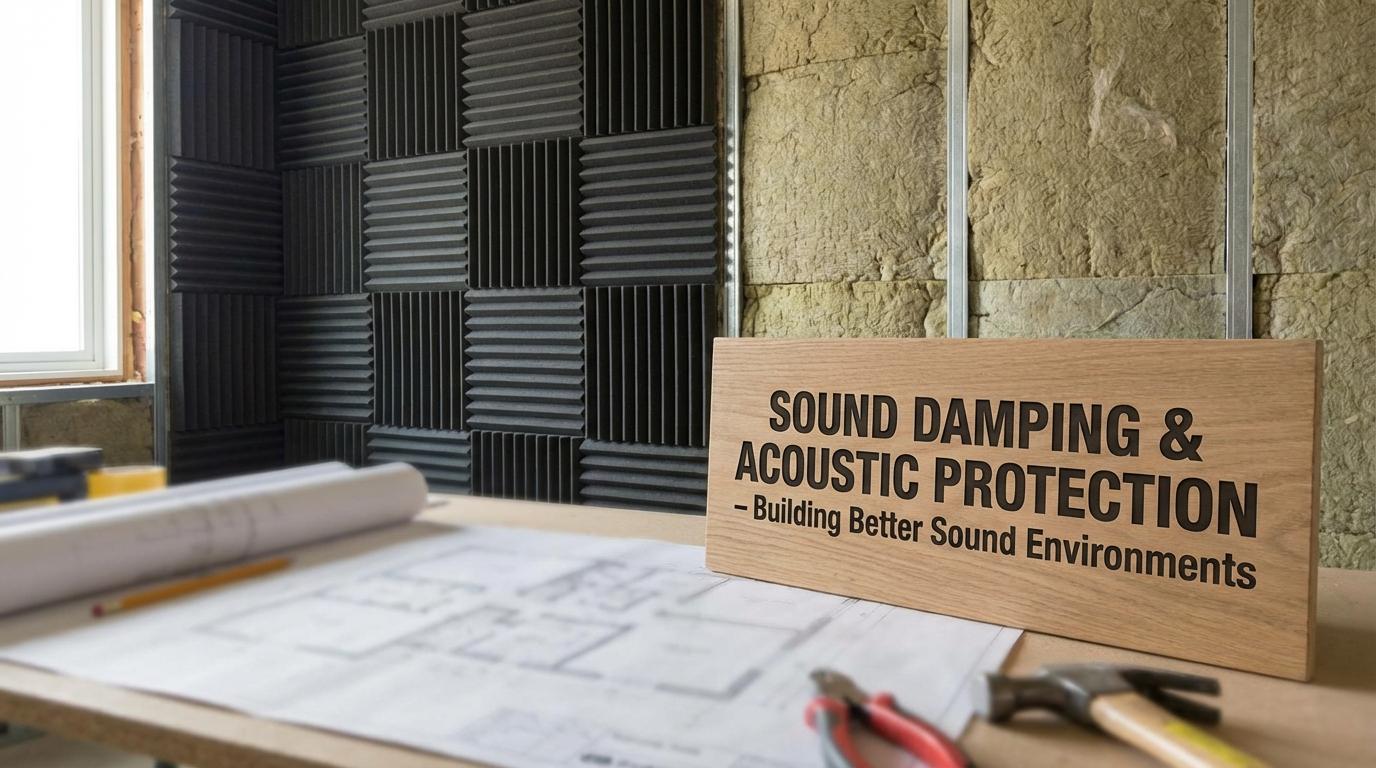
Noise is more than just a minor inconvenience—it can affect productivity, communication, and overall comfort. Whether in a busy office, a recording studio, or a commercial space, managing sound effectively is essential. This is where sound damping and acoustic protection come into play, offering practical solutions to control noise and improve sound quality.
Understanding Sound Damping
Sound damping focuses on reducing sound vibrations and minimizing the intensity of noise within a space. When sound waves hit surfaces like walls or ceilings, they tend to bounce back, creating echoes and unwanted noise buildup. Sound damping materials absorb these vibrations, helping to create a more controlled and comfortable acoustic environment.
Materials commonly used for sound damping include acoustic foam, rubber layers, and specialized dampening sheets. These materials work by converting sound energy into small amounts of heat, reducing the overall noise level in a room.
What is Acoustic Protection?
Acoustic protection goes a step further by focusing on both reducing noise and protecting spaces from excessive sound exposure. It involves using a combination of soundproofing and sound-absorbing materials to control how sound travels and behaves.
Acoustic protection is especially important in environments where noise levels can become overwhelming, such as:
-
Recording and production studios
-
Offices and coworking spaces
-
Conference and meeting rooms
-
Industrial and technical areas
By implementing proper acoustic protection, these spaces can maintain better sound quality and reduce distractions.
Benefits of Sound Damping and Acoustic Protection
Combining sound damping with acoustic protection offers several advantages:
-
Reduced noise and improved comfort
-
Better speech clarity and communication
-
Enhanced audio quality in studios and media rooms
-
Increased productivity in work environments
-
Improved privacy in shared spaces
Practical Applications
In modern spaces, these solutions are widely used to create better acoustic conditions. Offices benefit from reduced background noise, while studios achieve clearer recordings. Even meeting rooms and training spaces become more effective when sound is properly controlled.
Conclusion
Sound damping and acoustic protection are essential for creating environments where sound is controlled, clear, and comfortable. By using the right materials and techniques, it is possible to reduce noise, improve communication, and enhance overall acoustic performance. Whether for professional or commercial use, these solutions play a key role in modern space design
Categorias
Leia Mais
Introduction: Effective customer interaction management is crucial for fostering long-lasting relationships and spurring growth in today's cutthroat corporate environment. The customer experience is shaped by each call, email, message, and meeting. Datalink CRM provides sophisticated customer interaction management software that tracks, arranges, and maximizes each customer touchpoint....

Introduction Type 2 diabetes is a challenging condition to manage, especially when blood glucose levels are unstable despite lifestyle modifications. As the number of cases grows globally, an effective and efficient treatment option is crucially needed. Among the many treatments available for diabetes management, Ozempic 0.5 mg has gained considerable attention for its dual benefits for blood...

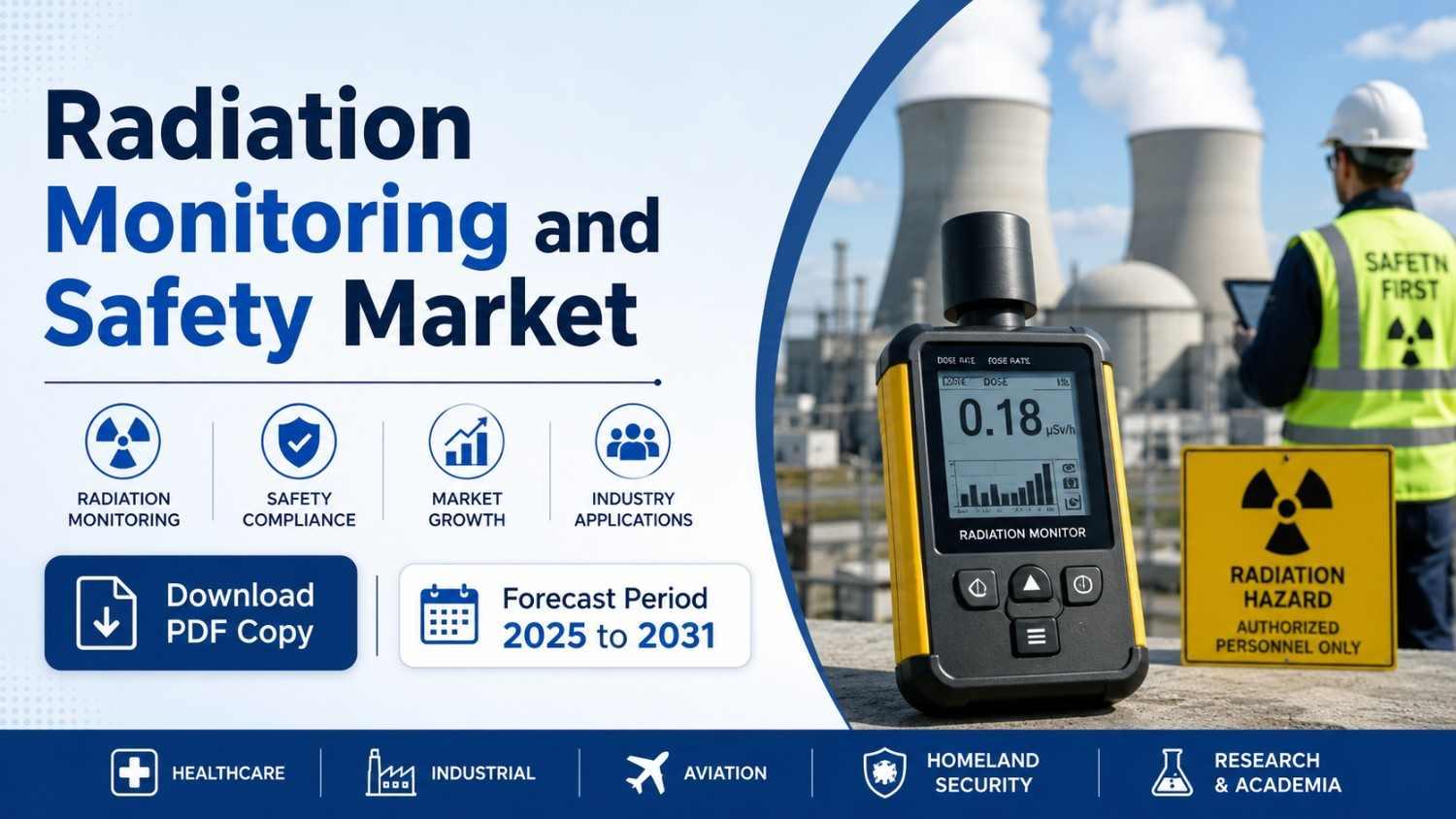
The Radiation Monitoring and Safety Market is poised for significant growth by 2031, driven by increasing awareness of radiation hazards and stringent regulatory requirements across various sectors. This market encompasses a range of products and services designed to detect, measure, and mitigate radiation exposure, thereby ensuring the safety of personnel and the public. As industries such as...
Metal detectors are electronic devices designed to locate metallic objects hidden underground, underwater, or within various materials. They work by generating an electromagnetic field by way of a search coil, which reacts in regards into connection with metal objects. This reaction produces signals that alert the consumer, often through sound or visual indicators. Over the years, metal...

" Europe Heart Pump Devices Market Summary: According to the latest report published by Data Bridge Market Research, the Europe Heart Pump Devices Market The Europe Heart Pump Devices Market size was valued at USD 1.76 billion in 2025 and is expected to reach USD 4.63 billion by 2033, at a CAGR of 12.86% during the forecast period Global market...