SPARK Matrix™ Q2 2025: Top AML Solution Providers Redefining Financial Security
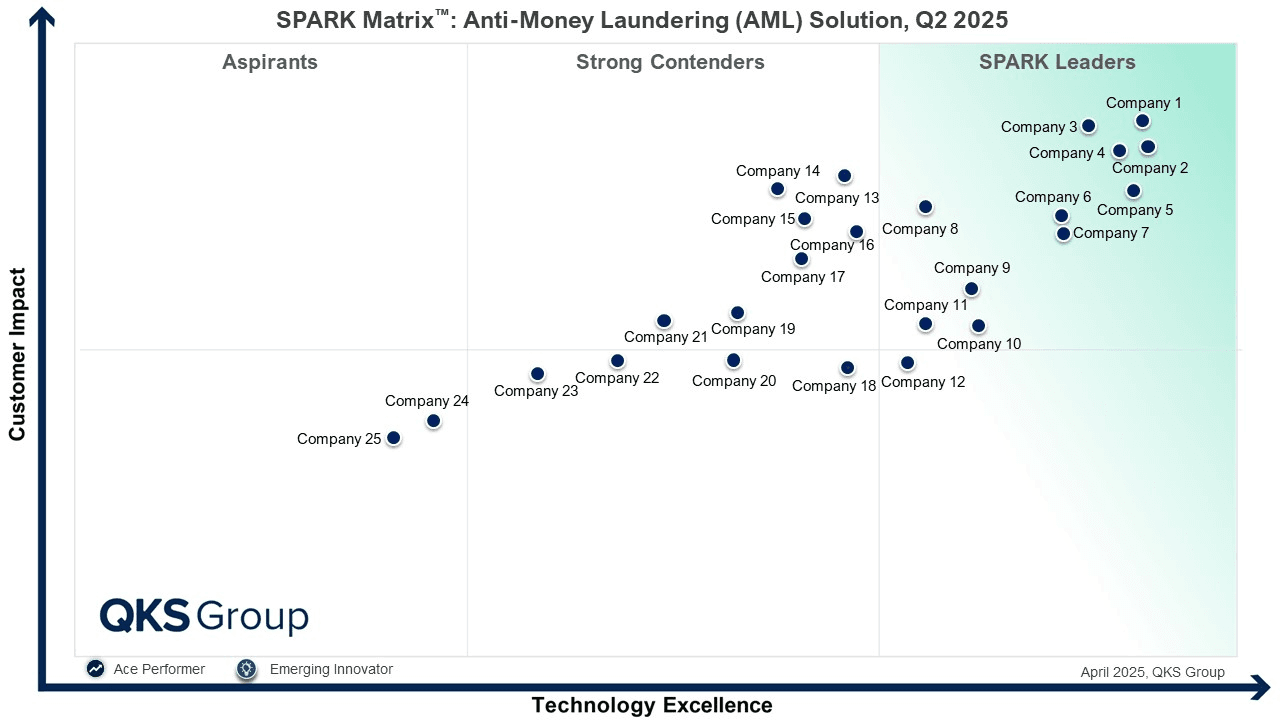
QKS Group’s SPARK Matrix™: Anti-Money Laundering (AML) Solution Market research delivers a comprehensive and in-depth analysis of the global AML landscape, focusing on both short-term developments and long-term growth opportunities. As financial crimes become increasingly sophisticated and regulatory expectations continue to evolve, organizations across banking, financial services, and non-banking sectors are investing heavily in advanced AML solutions. This research aims to provide a holistic view of the market, helping stakeholders understand emerging trends, technological advancements, and the future outlook of AML solutions worldwide.
The report serves as a strategic resource for both technology vendors and end-users. For vendors, it offers valuable insights into the competitive environment, enabling them to refine their product strategies, enhance innovation, and align with market demands. For end-users, including banks, financial institutions (FIs), and fintech companies, the research provides a framework to evaluate vendor capabilities, compare competitive differentiation, and identify solutions that best meet their compliance and risk management requirements.
A key highlight of the research is its focus on evolving market dynamics. The AML solutions market is being reshaped by rapid digitization, increasing cross-border transactions, and the growing complexity of financial crime schemes. Regulatory bodies across the globe are imposing stricter compliance mandates, pushing organizations to adopt more agile, scalable, and intelligent AML systems. This report captures these trends and provides actionable insights to help organizations stay ahead in a highly regulated and competitive environment.
Competitive Analysis and SPARK Matrix™ Evaluation
The research incorporates a detailed competitive analysis and vendor assessment using QKS Group’s proprietary SPARK Matrix™ framework. This methodology provides a comprehensive evaluation of vendors based on key parameters such as technology excellence, customer impact, and overall market presence.
The SPARK Matrix™ offers a visual representation of vendor positioning, enabling stakeholders to quickly identify market leaders, strong contenders, and emerging innovators in the AML solutions space. It also highlights each vendor’s strengths, differentiators, and strategic focus areas, making it easier for buyers to make informed decisions.
The study evaluates a wide range of leading AML solution providers that are shaping the global market. These include Azentio, ComplyAdvantage, Dow Jones, Eastnets, Experian, Featurespace (Acquired by Visa), Feedzai, Fiserv, Fourthline, GBG Plc, IMTF, Kiya.ai, LexisNexis Risk Solutions, FOCAL by Mozn, Napier AI, Nasdaq Verafin, NICE Actimize, Oracle, Pelican, Quantexa, SAS, SymphonyAI, ThetaRay, Tookitaki, and Vneuron. Each of these vendors is analyzed in detail, considering their product capabilities, innovation strategies, customer base, and global reach.
By leveraging the SPARK Matrix™, the report provides a structured and data-driven approach to vendor comparison. This not only enhances transparency but also empowers organizations to align their AML technology investments with their strategic objectives.
Modern SPARK Matrix™: Anti-Money Laundering (AML) Solution Market are designed to address a wide range of critical functions. These include Customer Due Diligence (CDD) and Enhanced Due Diligence (EDD), which help organizations verify customer identities and assess risk profiles. Additionally, capabilities such as sanctions screening, politically exposed persons (PEP) identification, and adverse media monitoring play a crucial role in identifying potential threats early in the customer lifecycle.
Transaction monitoring and surveillance remain at the core of AML systems. Advanced solutions use dynamic risk scoring and behavioral analytics to detect unusual patterns and anomalies in real time. This enables financial institutions to identify suspicious activities more accurately while minimizing false positives, which have traditionally been a major challenge in AML operations.
Technology Innovations Driving AML Transformation
The AML solutions market is undergoing a significant transformation driven by advancements in technology. Modern platforms are increasingly built on API-first and cloud-native architectures, enabling seamless integration with core banking systems, payment platforms, and external data sources. This flexibility allows organizations to scale their AML capabilities as their operations grow and regulatory requirements evolve.
Advanced technologies such as machine learning (ML), natural language processing (NLP), fuzzy logic, and behavioral analytics are playing a pivotal role in enhancing the effectiveness of AML solutions. These technologies enable systems to learn from historical data, identify complex patterns, and adapt to new threats over time. As a result, organizations can achieve higher detection accuracy and faster response times.
Automation is another critical component of next-generation AML solutions. By automating processes such as data ingestion, screening, alert generation, and case management, organizations can significantly reduce manual effort and improve operational efficiency. Automated workflows also ensure consistency and reduce the risk of human error, which is essential in a highly regulated environment.
Enhancing Compliance and Operational Efficiency
A key focus of modern AML solutions is improving both compliance and operational efficiency. Microservices-based architectures and low-code/no-code configurability enable organizations to customize their AML systems according to specific regulatory requirements and business needs. This flexibility is particularly important for multinational organizations operating across diverse regulatory landscapes.
Explainability and auditability have also become critical requirements for AML solutions. Regulatory authorities demand transparency in decision-making processes, especially when advanced algorithms and AI models are used. Modern AML platforms address this need by providing clear audit trails, explainable AI models, and comprehensive reporting capabilities.
Integrated dashboards and reporting tools provide real-time insights into compliance activities, risk exposure, and operational performance. These tools enable compliance teams and auditors to monitor key metrics, identify trends, and take proactive measures to mitigate risks. By offering a unified view of AML operations, organizations can enhance their overall risk management strategies.
Future Outlook
The future of the AML solutions market is expected to be shaped by continued innovation, increasing regulatory scrutiny, and the growing adoption of digital financial services. As financial ecosystems become more interconnected, the need for robust and scalable AML solutions will continue to rise.
Vendors are likely to focus on enhancing AI-driven capabilities, improving interoperability, and expanding their global footprint. At the same time, organizations will prioritize solutions that offer real-time intelligence, seamless integration, and the ability to adapt to evolving threats.
In this dynamic environment, QKS Group’s SPARK Matrix™: Anti-Money Laundering (AML) Solution Market, Q2 2025 serves as a valuable guide for navigating the complexities of the AML market. By providing detailed insights, competitive analysis, and strategic recommendations, the report empowers stakeholders to make informed decisions and stay ahead in the fight against financial crime.
Κατηγορίες
Διαβάζω περισσότερα
NEWARK, Del., USA | May 28, 2026 — According to Future Market Insights (FMI), the global healthy snacks market is witnessing strong expansion, supported by rising consumer awareness regarding nutrition, increasing demand for clean-label and functional food products, and growing preference for convenient on-the-go snacking solutions. The market is also benefiting from expanding plant-based...

A new growth forecast report titled AI and Machine Learning Operationalization Software Market Size, Share, Industry Analysis Report By Deployment (On-premises, Cloud-Based), By Functionality, By Application, By Enterprise Size, By End Use, By Region – Market Forecast, 2025–2034 introduced by Polaris Market Research represents conclusive data on the overall market. It...

Building a reliable pipeline of qualified business sellers has become one of the greatest challenges for modern M&A advisory firms. Traditional business development methods such as referrals, networking events, cold outreach, and paid marketing campaigns still play an important role, but they often require significant time and resources while delivering inconsistent results. Advisors can...

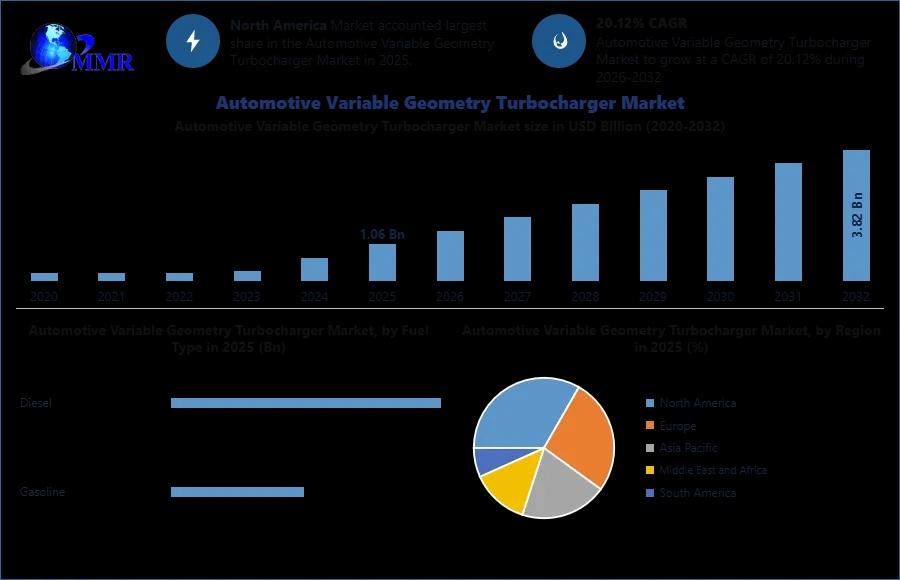
Anticipated Growth in Revenue: The Automotive Variable Geometry Turbocharger Market is anticipated to reach US$ 3.82 Bn by 2032 from US$ 1.06 Bn in 2025 at a CAGR of 20.12% during a forecast period. Market Overview The Automotive Variable Geometry Turbocharger market is witnessing strong momentum as automakers focus on improving fuel efficiency, engine performance, and...
Introduction India is one of the largest consumer markets in the world, attracting manufacturers from across the globe. However, to ensure product safety, quality, and compliance, the Indian government mandates BIS approval for several product categories. For overseas companies, obtaining a BIS License for Foreign Manufacturer is essential before entering the Indian market. This blog explains...