Extend Tool Life of Endmills in CNC Machines | Guide
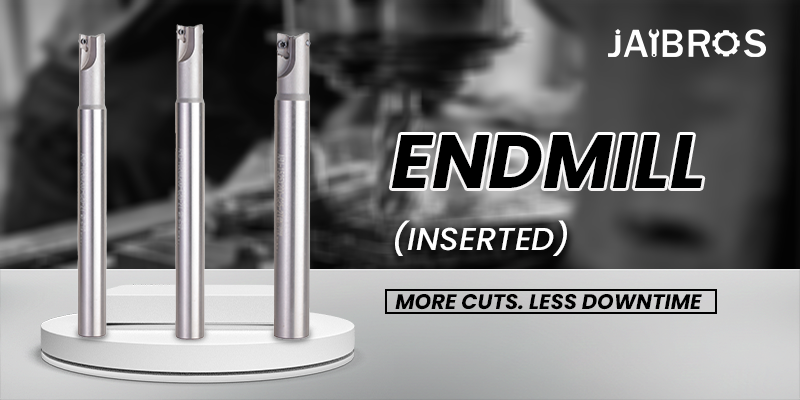
Learn practical tips to extend the tool life of endmills in CNC machines. Discover cutting parameters, cooling methods, and tool selection strategies for better performance.
How to Extend the Tool Life of Endmills in CNC Machines
In modern CNC machining, cutting tools play a critical role in determining productivity, cost efficiency, and machining quality. Among the most commonly used cutting tools in milling operations are endmills, which are designed to remove material with high precision. However, tool wear and premature failure can lead to downtime, poor surface finish, and increased operational costs.
Extending the lifespan of cutting tools is an important goal for CNC operators and manufacturers. By understanding machining parameters, selecting the right materials, and maintaining proper cutting conditions, machinists can significantly increase the durability and performance of endmills. Proper tool care not only improves efficiency but also ensures consistent machining results across different workpieces.
Understanding Endmills and Their Role in CNC Machining
Before exploring ways to extend tool life, it is essential to understand how endmills function within CNC milling processes. These cutting tools are designed with multiple flutes and cutting edges that rotate at high speeds to remove material from a workpiece.
They are commonly used for operations such as slotting, profiling, contouring, and pocketing. Because of their versatility, they are considered an essential cnc tool in many machining workshops.
Different types of endmills are available depending on the machining requirements. These include flat endmills, ball nose endmills, corner radius, and roughing endmills. Each type is designed for a specific purpose, and choosing the correct one plays a major role in improving tool longevity.
Choose the Right Tool Material
One of the most important factors affecting tool life is the material used to manufacture the cutting tool. High-quality carbide endmills are widely used in CNC machining because they offer excellent hardness, heat resistance, and wear resistance.
Compared to high-speed steel tools, carbide tools can withstand higher cutting speeds and temperatures. This allows machinists to maintain productivity while reducing the risk of tool wear.
When selecting a cutting tool, operators should always consider the workpiece material. Hard materials like stainless steel, titanium, or hardened steel require stronger tools and appropriate coatings to handle the stress generated during cutting.
Selecting the correct mills material ensures better cutting performance and longer operational life.
Optimize Cutting Speed and Feed Rate
Incorrect cutting parameters are one of the most common reasons for tool wear. Excessive cutting speeds or improper feed rates can generate high temperatures and stress on the cutting edges.
To maximize tool life, CNC operators should always follow the recommended cutting parameters in the tool manufacturer’s guidelines. Balanced speed and feed settings help maintain stable cutting conditions and prevent overheating.
Proper parameter optimization also improves chip evacuation, which reduces friction and prevents damage to the cutting edges of endmills.
Use Proper Cooling and Lubrication
Heat buildup is a major cause of tool failure in CNC machining. Effective cooling systems help maintain optimal cutting temperatures and reduce friction between the tool and the workpiece.
Coolants or cutting fluids play a key role in extending tool life. They help remove chips, reduce heat, and improve surface finish. Using the correct coolant strategy ensures that endmills operate under stable conditions.
For certain materials like aluminum, high-pressure coolant systems are especially useful in preventing chip adhesion and maintaining smooth machining operations.
Select the Correct Tool Geometry
The geometry of the cutting tool also influences its durability and efficiency. Flute count, helix angle, and coating type all contribute to cutting performance.
For example, tools designed for high-speed machining often feature specialized coatings that reduce friction and increase wear resistance. These features help extend the operational life of endmills even in demanding machining environments.
Understanding different types of endmills and their geometry allows machinists to select the most suitable tool for each application.
Maintain Proper Tool Holding and Machine Setup
Tool holding plays an important role in preventing vibrations and maintaining machining accuracy. A poorly secured tool can cause excessive runout, which increases stress on the cutting edges and leads to premature wear.
High-quality tool holders ensure stability and reduce vibration during machining. Proper machine alignment and calibration also help maintain consistent cutting conditions.
Ensuring a rigid setup allows to perform efficiently while minimizing the risk of tool damage.
Monitor Tool Wear Regularly
Routine inspection of cutting tools is essential for preventing unexpected failures. Signs of tool wear may include dull cutting edges, excessive heat marks, or reduced cutting efficiency.
Regular monitoring allows machinists to replace or recondition tools before they cause machining errors. Predictive maintenance strategies can help optimize tool usage and improve productivity.
In high-precision applications, especially when using micro endmills, even minor wear can significantly affect machining accuracy. Therefore, frequent inspection is critical.
Apply Proper Machining Strategies
Advanced machining techniques can also improve tool life. Strategies such as high-efficiency milling, adaptive toolpaths, and trochoidal milling reduce cutting load on the tool.
These techniques allow cutting tools to remove material more efficiently while minimizing stress. As a result, endmills experience less wear and maintain consistent performance for longer periods.
Using optimized toolpaths in modern CNC software helps achieve better cutting efficiency and tool longevity.
Store and Handle Tools Properly
Even before tools are used in machining, improper storage can cause damage to cutting edges. Tools should always be stored in protective cases to prevent contact with other metal objects.
Careful handling ensures that the sharp edges of endmills remain intact and ready for accurate machining operations.
Proper tool storage also helps maintain inventory organization and prevents accidental damage.
Conclusion
Extending the life of cutting tools is essential for improving productivity and reducing machining costs. By selecting high-quality tools, optimizing cutting parameters, maintaining proper cooling systems, and following effective machining strategies, CNC operators can significantly improve the performance and durability of endmills.
Understanding tool geometry, maintaining proper machine setup, and regularly monitoring wear are also key factors in ensuring consistent machining results. With proper care and attention, machinists can maximize tool efficiency while maintaining high precision in CNC operations.
FAQs
1. What factors affect the lifespan of milling tools in CNC machining?
Several factors influence tool life, including cutting speed, feed rate, tool material, coolant usage, and machining strategy.
2. Why are carbide tools preferred in CNC machining?
Carbide endmills are widely used because they offer excellent hardness, wear resistance, and heat tolerance, making them ideal for high-speed machining.
3. What are micro tools used for in CNC machining?
Micro endmills are used for precision machining tasks such as micro components, fine engraving, and detailed mold manufacturing.
4. How do cutting parameters influence tool wear?
Improper speed and feed settings can increase friction and heat, which accelerates tool wear and reduces machining efficiency.
5. Why is tool geometry important in milling?
The geometry of cutting tools determines how effectively chips are removed, how heat is distributed, and how stable the cutting process remains.
About Jaibros
Jaibros is a trusted supplier of high-quality CNC cutting tools and industrial machinery solutions. The company provides a wide range of precision tools, including milling cutters, inserts, and advanced machining accessories designed to meet the needs of modern manufacturing industries. With a strong focus on quality, performance, and reliability, Jaibros helps machinists and manufacturers achieve accurate and efficient machining results using advanced cnc tool solutions.
Categorieën
Read More
Pressure system rental refers to the temporary use of equipment designed to manage, control, and regulate pressure in various industrial and commercial applications. These systems include compressors, pressure vessels, pumps, and piping setups that ensure smooth operations in sectors like construction, oil & gas, manufacturing, and water treatment. Instead of investing heavily in permanent...

"Executive Summary Date Syrup Market Size and Share: Global Industry Snapshot CAGR Value The global date syrup market was valued at USD 428.77 million in 2024 and is expected to reach USD 709.61 million by 2032. During the forecast period of 2025 to 2032 the market is likely to grow at a CAGR of 6.5% Date Syrup Market report offers the most appropriate...

In a fast-paced city like Dubai, balancing work, family responsibilities, and personal commitments can be challenging. For families caring for elderly loved ones, ensuring proper attention and medical support becomes a top priority. This is where Elder Home Care Services play a vital role, offering a reliable and compassionate solution that combines professional healthcare with the comfort of...

In the vast and vibrant world of mobile games, few titles bring the same level of excitement and engagement as Monkey Mart. This delightful game combines the thrill of entrepreneurship with the charm of animated characters and colorful graphics. Whether you're looking for a way to unwind after a long day or seeking a fun challenge to test your strategic skills, Monkey...

在現代數位娛樂世界中,yy game 已成為許多玩家追求沉浸式遊戲體驗的重要選擇。無論是新手玩家還是資深遊戲愛好者,這個平台都提供多樣化的遊戲內容與互動方式,讓每位玩家都能找到屬於自己的樂趣。在本文中,我們將深入探討 yy game 的特色、遊戲類型、社群互動以及玩家體驗,幫助你全面了解這個受歡迎的平台。 yy game 平台概述 yy game 是一個專注於提供多元化遊戲的線上平台,其設計理念是將娛樂與社交緊密結合。平台的界面友好直觀,即便是剛接觸數位遊戲的玩家,也能快速上手。yy game 不僅提供單機遊戲和多人在線遊戲,還融入了直播、社交互動和積分系統,形成一個完整的遊戲生態。 特色功能包括: 多元遊戲選擇:涵蓋動作、角色扮演、策略和益智等多種類型。 高互動性:玩家可以在遊戲中與其他用戶即時交流。...