


Stronger Smiles Begin With Bone Grafting Before Dental Implants
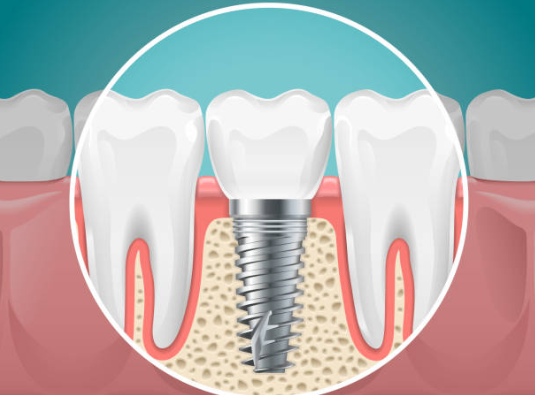
Why Bone Grafting Often Comes Before Dental Implants
Let’s be real for a second. A lot of people assume dental implants are just… put in. Like screws in wood. Simple. But the truth is, the jawbone needs enough strength and thickness to hold that implant steady for decades. And sometimes it just doesn’t have it anymore. Bone loss happens. Tooth loss causes it. Gum disease, accidents, years of wear same story. That’s where the procedure for dental implants with bone grafting comes in.
In a place like Dental implants in NYC, dentists see this all the time. Manhattan patients often come in years after losing a tooth. The bone shrinks quietly during that time. Nobody notices until an implant is planned. Suddenly the foundation isn’t solid enough. Bone grafting fixes that. It rebuilds the jaw so implants can actually last.
The short answer? Bone grafting isn’t an extra step meant to slow things down. It’s the groundwork. Literally the base layer that makes implants possible. Without it, implants fail more often. And no one wants that.
Understanding Bone Loss After Missing Teeth
Here’s something most people don’t know. The jawbone needs stimulation. Teeth provide that. Every time you chew, tiny pressure signals travel through the roots and keep the bone active. Take the tooth away… and the bone slowly starts shrinking.
It doesn’t happen overnight. That’s the tricky part. Months pass. Sometimes years. But the bone density drops. The ridge becomes thinner. In some cases the sinus drops lower in the upper jaw. Suddenly placing implants safely becomes harder.
This is why oral surgeons performing Dental implants in NYC often evaluate bone first. A CT scan usually shows everything bone height, width, density. And yeah, sometimes the news is simple: you’ll need grafting before the implant goes in. Not ideal, maybe. But very fixable.
What Exactly Is Bone Grafting?
Bone grafting sounds intense, but the idea is actually straightforward. The surgeon adds bone material to the area where bone has been lost. Over time, your body accepts it and grows new bone around it. Think of it like scaffolding for the jaw.
The graft material can come from a few sources. Sometimes synthetic. Sometimes donor bone that’s carefully processed and sterile. Occasionally a small amount of your own bone. Each option has its place depending on the situation.
Once placed, the graft integrates with the natural bone. Blood vessels grow into it. Cells rebuild the area. This healing stage is the quiet part of the procedure for dental implants with bone grafting, but it’s critical. Skip this step and the implant may not hold long-term.
Step-By-Step: The Procedure for Dental Implants With Bone Grafting
People always want to know what actually happens. Fair question. Here’s the real process most oral surgeons follow. First comes imaging and planning. Detailed 3D scans show the bone structure clearly. The surgeon maps out the graft area and future implant position. No guessing. Everything is measured.
Next is the bone graft surgery itself. Local anesthesia is usually enough, though sedation is common too. The surgeon places the graft material precisely where bone is lacking. A membrane might cover it to help guide healing. Then the gum tissue is closed.
Healing takes time. Usually three to six months. Sometimes longer for larger grafts. During that time, new bone forms. The site strengthens.
Finally comes the implant placement. A titanium implant post is inserted into the rebuilt bone. After another healing phase, the crown the visible tooth is attached. That’s the finished result.
Different Types of Bone Grafts Used in Implant Dentistry
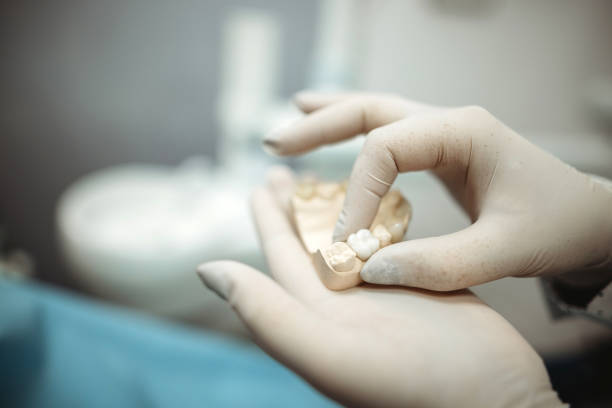
Not every graft is the same. Different situations call for different approaches. Socket grafts are common right after a tooth extraction. The graft goes into the empty socket to prevent bone collapse. It’s preventative, really.
Ridge augmentation is used when the jaw has already shrunk significantly. The surgeon rebuilds width or height so implants can fit properly.
Then there’s sinus lifting. This one’s specific to the upper back jaw. When bone height under the sinus is too thin, the sinus membrane is gently raised and graft material is placed underneath. Sounds wild, but it’s routine in experienced hands.
All these options fall under the broader procedure for dental implants with bone grafting, and they’re done every day in implant centers throughout Manhattan.
Why Experience Matters for Dental Implants in NYC
New York isn’t short on dental offices. But implant surgery? That’s a different level. Experience matters a lot.
Implant placement involves bone anatomy, nerves, sinus structures, and precise angles. Add bone grafting into the mix and the complexity jumps another notch. That’s why patients often seek out oral and maxillofacial surgeons rather than general dentists for these procedures.
In Dental implants in NYC, specialists use advanced imaging, surgical guides, and years of training to reduce risk. They’ve handled thousands of cases. Simple ones, complicated ones, everything in between.
Truth is, this isn’t something you want done casually. The right surgeon makes the difference between a smooth recovery and… well, problems you’d rather avoid.
Healing After Bone Grafting: What Patients Actually Experience
Recovery isn’t usually dramatic, despite how it sounds. Most patients report mild swelling and soreness for a few days. Ice packs help. Pain medication handles the rest. Eating softer foods for a bit is recommended. Nothing too crunchy or aggressive around the graft area. The body needs time to settle things in.
Over the next few months, the graft becomes part of the natural jawbone. You won’t feel it happening. It’s slow biological work behind the scenes. And when the implant finally goes in, patients are often surprised by how straightforward it feels compared to what they imagined.
How Long the Entire Implant and Graft Process Takes
Everyone wants timelines. Fair enough. But the honest answer? It varies. If the graft is small, implant placement might happen in three months. Larger grafts may require six to nine months before implants are ready. Healing speed depends on age, health, smoking habits, and bone condition.
The implant itself also needs time to integrate with bone a process called osseointegration. That typically takes another three to four months before the crown is placed.
So yeah. The full procedure for dental implants with bone grafting can take several months. But once it’s finished, implants can last decades. That trade-off usually makes sense.
Why Dental Implants Are Still the Gold Standard
There are other ways to replace missing teeth. Bridges. Dentures. Partial plates. They work… to a point. But implants are different. They anchor directly into the jawbone. That means they function like natural teeth. Chewing feels normal. Speaking feels natural. And they help preserve bone rather than letting it shrink further.
That’s why Dental implants in NYC remain the preferred solution among specialists. Long-term stability, improved comfort, and better aesthetics. Patients forget the implant is even there after a while. Honestly, that’s the goal. Teeth that just work.
Risks and Complications
No surgery is completely risk-free. Anyone claiming otherwise is selling something. With bone grafting and implants, possible complications include infection, graft failure, or implant movement if healing doesn’t go as planned. These issues are rare with experienced surgeons, but they’re part of the conversation.
Smoking increases risk. Poor oral hygiene does too. Certain health conditions slow healing. The good news? Careful planning and proper follow-up dramatically reduce these problems. Most patients move through the entire process without major issues.
The Cost Question Patients Always Ask
Let’s talk about it, because everyone thinks it. Dental implants aren’t cheap. Bone grafting adds to the overall cost because it involves additional surgery, materials, and healing time. In a major city like New York, prices reflect the level of expertise and technology involved.
But here’s the flip side. Implants often last far longer than bridges or dentures. Many patients end up saving money long term because implants don’t need constant replacement.
Insurance sometimes covers parts of the procedure, especially grafting after medical tooth loss. Payment plans are also common in implant practices throughout Manhattan.
Choosing the Right Oral Surgeon in Manhattan
If you’re considering implants, take time to research the surgeon. Look for training in oral and maxillofacial surgery. Ask about implant case numbers. Request before-and-after examples.
Consultations should include detailed imaging and honest conversations about bone condition. A good surgeon won’t rush the plan. They’ll explain why grafting is needed or why it might not be.
For patients considering Dental implants in NYC, working with a dedicated implant surgery center makes the process smoother. Everything from imaging to surgical planning happens in one place.
Final Thoughts: Rebuilding the Foundation for a Stronger Smile
Here’s the truth most patients realize after the process is over. The bone graft wasn’t the obstacle they feared. It was the solution.
Rebuilding bone allows implants to function properly. It gives them stability. Longevity. Confidence when chewing or smiling.
The procedure for dental implants with bone grafting might take time, but it restores something important structure. And once the implant crown is placed, life goes back to normal pretty quickly. Eating. Talking. Smiling.
If you’re exploring Dental implants in NYC, the best step is simple: talk with specialists who handle these cases daily. Ask questions. Look at scans. Understand your options.
Visit New York Oral & Facial Surgery to learn more about implant procedures, bone grafting solutions, and personalized treatment planning from experienced oral surgeons.
FAQs About Dental Implants and Bone Grafting
What's the procedure for dental implants with bone grafting?
The procedure generally involves placing bone graft material in areas where the jawbone is too thin or weak to support an implant. After healing generally several months the dental implant is surgically placed into the strengthened bone.
How long does bone grafting take before dental implants can be placed?
Healing generally takes three to six months. Larger grafts may bear further time. Once the graft integrates with the natural bone, implant placement can safely do.
Are dental implants with bone grafting painful?
The utmost cases report mild discomfort rather than severe pain. Original anesthesia and sedation are generally used during surgery, and recovery is generally manageable with drug and rest.
Why is bone grafting occasionally necessary for dental implants in NYC?
Bone grafting becomes necessary when bone loss has passed due to missing teeth, goo complaint, or trauma. Without enough bone viscosity, implants can not duly anchor in the jaw.
Are dental implants endless after bone grafting?
Dental implants are designed to last decades when duly watched for. The crown may ultimately need relief, but the implant itself frequently remains stable long term.
Categorias
Leia mais
As businesses face evolving regulations, emerging workplace risks, and technological advancements, future-proofing health and safety management has become Health and Safety Arinite Health and Safety Consultants and Software helps organisations across the UK and global markets stay ahead of these challenges by combining expert consultancy with innovative digital solutions. Workplaces are...

Le casino en ligne france se positionne comme un acteur majeur du divertissement numérique grâce à l’intégration des technologies avancées. Les plateformes utilisent désormais l’intelligence artificielle et l’analyse de données pour personnaliser l’expérience de chaque joueur. Le casino en ligne France peut...
The Emergence of a Disruptor In an era where streetwear often feels saturated and commercialized, corteiz emerged as a radical counterforce. Rather than following the traditional blueprint of fashion brands chasing mass visibility and retail expansion, Corteiz built its foundation on exclusivity, unpredictability, and raw cultural authenticity. The brand did not ask for permission to exist...

"Executive Summary Fraud Hunters Market Market Size and Share Forecast CAGR Value Data Bridge Market Research analyses that the fraud hunters market was valued at USD 6.95 billion in 2021 and is likely to reach USD by 2029, and will grow at a CAGR of 16.30% during the forecast period of 2022 to 2029 Competitive analysis performed in this Fraud Hunters Market Market report puts forth...

The regulatory chessboard in Brussels is becoming a critical arena for the future of Warner Bros. Discovery. While a U.S. deal must come first, EU competition authorities are already analyzing the potential impacts of both a Netflix and a Paramount-Skydance merger. The European Commission’s scrutiny will focus intensely on consumer choice, pricing, and the health of the theatrical film...