


CNC Tool Selection Tips Every Manufacturer Should Know
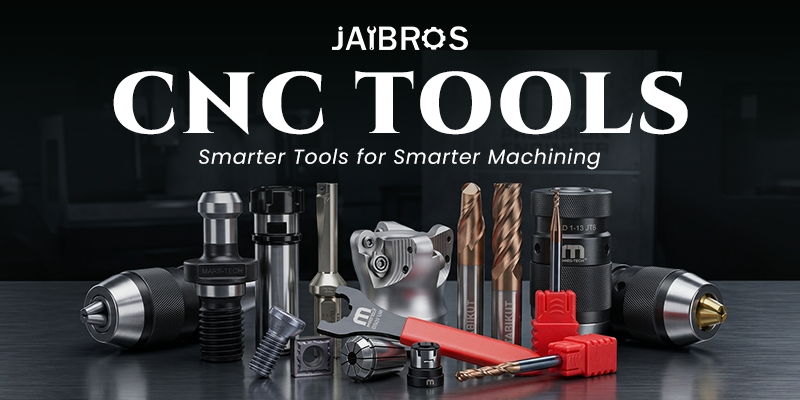
Learn CNC tool selection tips to improve machining accuracy, reduce costs, and boost productivity with the right tools for your operations.
CNC Tool Selection Guide for High-Performance Manufacturing
In modern manufacturing, precision and efficiency are critical for success. Industries such as automotive, aerospace, medical, and heavy engineering rely on advanced machining processes to produce high-quality components. At the centre of these processes lies the CNC tool, which directly impacts accuracy, productivity, and overall machining performance.
Selecting the right tooling solution is not just a technical decision—it is a strategic one. The wrong choice can lead to poor surface finish, increased tool wear, machine downtime, and higher operational costs. On the other hand, choosing the right tools ensures consistent performance, improved efficiency, and long-term profitability.
With a wide range of tools available in the market, manufacturers must understand key selection criteria to make informed decisions
Understanding the Importance of Tool Selection
Tool selection plays a vital role in determining the success of machining operations. A high-quality CNC tool ensures smooth cutting, reduced vibration, and better chip evacuation.
Different machining tasks require different tooling solutions. For example, drilling, milling, and turning operations all need specific tool designs and geometries. Choosing the correct tool for each application improves performance and reduces the risk of machining errors.
Across various types of CNC machine systems, proper tool selection helps maintain consistency and precision in production processes.
Consider the workpiece material.
One of the first factors to consider when selecting a tool is the material being machined. Different materials have unique properties such as hardness, toughness, and thermal conductivity.
For example:
-
Soft materials like aluminium require sharp cutting edges and high-speed machining.
-
Hard materials like stainless steel or titanium need durable tools with strong wear resistance.
A well-matched CNC tool ensures efficient cutting and prevents excessive tool wear. Using the wrong tool for a specific material can lead to poor performance and increased costs.
Evaluate Tool Material and Coating
Tool material and coating significantly affect performance and durability. Modern machining tools are made from advanced materials such as carbide, ceramics, and coated alloys.
Carbide tools are widely used due to their strength and heat resistance. Coatings such as titanium nitride (TiN) or aluminium oxide improve wear resistance and reduce friction.
These enhancements allow CNC tool solutions to perform effectively under high-speed and high-temperature conditions, making them suitable for demanding machining applications.
Understand Tool Geometry
Tool geometry refers to the shape and design of the cutting edge. It includes factors such as rake angle, clearance angle, and edge sharpness.
Proper geometry ensures smooth cutting and efficient chip removal. It also reduces cutting forces and improves surface finish.
Manufacturers should carefully evaluate tool geometry based on their specific machining requirements. The right design can significantly enhance CNC tool performance and extend tool life.
Match Tools with Machine Capability
Every machine has specific capabilities and limitations. Factors such as spindle speed, power, and rigidity must be considered when selecting tooling solutions.
Different types of CNC machine setups—such as milling machines, turning centers, and multi-axis machining systems—require compatible tools for optimal performance.
Choosing tools that align with machine capabilities ensures stable machining and prevents unnecessary stress on equipment.
Focus on Cutting Parameters
Cutting parameters such as speed, feed rate, and depth of cut play a crucial role in machining efficiency. The selected tool must be capable of handling these parameters without compromising performance.
High-performance CNC tool solutions allow manufacturers to operate at higher speeds and feeds, improving productivity while maintaining accuracy.
Proper parameter selection also helps reduce tool wear and extend tool life.
Prioritize Tool Life and Durability
Tool life directly affects production efficiency and cost. Frequent tool replacements lead to downtime and increased expenses.
Manufacturers should invest in durable tools that can withstand continuous operation. High-quality materials and advanced coatings help extend tool life and improve performance.
When evaluating the best CNC tools, durability should always be a top priority.
Consider Application-Specific Tools
Modern manufacturing often requires specialized tools for specific applications. Custom or application-specific tools are designed to meet unique machining requirements.
These tools improve efficiency by reducing cycle time and enhancing cutting performance.
For example, tools designed for high-speed machining or multi-axis operations provide better results compared to general-purpose tools.
Evaluate Supplier Reliability
Choosing the right supplier is just as important as selecting the right tool. A reliable supplier ensures consistent quality, technical support, and timely delivery.
Manufacturers often search for trusted sources using terms like CNC tools near me to find local suppliers who can provide quick service and support.
At the same time, digital platforms offering CNC tools online provide access to a wide range of products and detailed specifications, helping manufacturers make informed decisions.
Cost vs Performance Balance
Cost is an important factor in tool selection, but it should not be the only consideration. Low-cost tools may save money initially but can lead to higher operational costs due to poor performance and frequent replacements.
Investing in a high-quality CNC tool may involve a higher upfront cost, but it offers better long-term value through improved efficiency, reduced downtime, and consistent quality.
Manufacturers should focus on achieving the right balance between cost and performance.
Role of Automation in Tool Selection
Automation is becoming a key part of modern manufacturing. Automated systems require tools that can perform consistently over long production cycles without human intervention.
High-performance CNC tool solutions are designed to support automated machining environments. They ensure stable cutting performance and reduce the risk of unexpected failures.
As automation continues to grow, selecting tools compatible with automated systems will become increasingly important.
Importance of Testing and Optimization
Before finalizing tooling solutions, manufacturers should conduct testing and optimization. Trial runs help evaluate tool performance under actual machining conditions.
Testing allows manufacturers to identify potential issues and make necessary adjustments to cutting parameters or tool selection.
Continuous optimization ensures maximum efficiency and consistent performance across production processes.
Future Trends in Tool Selection
The future of machining will be driven by advancements in automation, artificial intelligence, and digital manufacturing. Smart tools equipped with sensors will provide real-time performance data, enabling predictive maintenance and improved decision-making.
Manufacturers who adopt advanced tooling solutions and stay updated with industry trends will be better positioned to compete in the global market.
Conclusion
Selecting the right tooling solution is essential for achieving precision, efficiency, and cost-effectiveness in modern manufacturing. A high-performance CNC tool improves machining accuracy, reduces downtime, and enhances overall productivity.
Whether sourcing through CNC tools online platforms or searching locally using CNC tools near me, businesses should prioritise quality and performance when choosing their tooling solutions. Investing in the best CNC tools leads to long-term operational success and improved production efficiency.
At Jaibros, we are committed to delivering high-quality tooling solutions designed for modern machining needs. With a strong focus on innovation, durability, and precision, Jaibros helps manufacturers achieve superior performance and sustainable growth in today’s competitive industrial environment.
FAQs
1. Why is tool selection important in CNC machining?
Proper tool selection ensures better accuracy, improved surface finish, and higher production efficiency while reducing operational costs.
2. How do I choose the right tool for different materials?
Select tools based on material hardness, cutting requirements, and tool coating to ensure efficient performance and durability.
3. Are expensive tools always better?
Not always, but high-quality tools usually offer better durability, performance, and long-term cost savings.
4. Where can I find reliable tooling suppliers?
You can explore online platforms, compare specifications, or search for local suppliers for better support and availability.
5. How can I improve tool life in machining operations?
Use proper cutting parameters, choose high-quality tools, and perform regular maintenance to extend tool life.
Categorie
Leggi tutto
"According to the latest report published by Data Bridge Market Research, the Visceral Leishmaniasis Market The global visceral leishmaniasis market size was valued at USD 37.40 million in 2025 and is expected to reach USD 74.52 million by 2033, at a CAGR of 9.00% during the forecast period Thorough and transparent research studies conducted by a team...

This Facebook malware exploits social connections by mimicking video sharing links through trusted Google platforms. The attack recently adapted to target Picasa and Google Reader users specifically. Victims receive what appears to be a friend's video link only to encounter fabricated "ActiveX Object Errors" prompting downloads of fake video codecs. These downloads actually install the Zlob...

Hearing strange scratching in your walls or noticing signs of unwelcome guests around your property is enough to ruin anyone’s week. When you face an animal intrusion, the immediate instinct is to find a quick fix, but the price tag attached to professional help often leaves homeowners wondering what they are actually paying for. It is not just about the trap; it is about securing your...

If you're searching for modern 1 bedroom apartments near Perimeter Mall, you're in luck! These apartments provide easy access to Dunwoody MARTA Station, making your commute a breeze. You'll love the sleek designs and low-maintenance lifestyle, perfect for busy professionals. Enjoy nearby shopping, dining, and entertainment, allowing you to balance work and leisure effortlessly. With amenities...

Il panorama dei migliori casino non AAMS si configura come un ecosistema in continua espansione, caratterizzato da una forte intensità competitiva e da un’elevata velocità di innovazione. La crescente digitalizzazione dei servizi ha favorito l’emergere di piattaforme sempre più sofisticate, in grado di rispondere a una domanda globale estremamente...