


Why a Pneumatic Stop Valve Is Essential in Pneumatic Operations
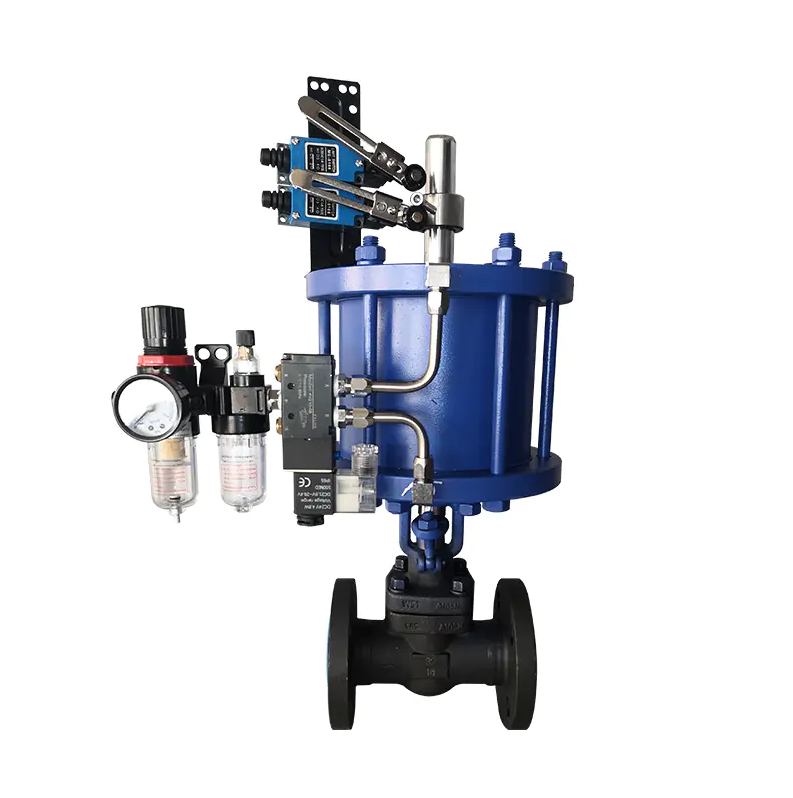
A Pneumatic Stop Valve is an essential component in systems that use compressed air or gas to control fluid flow. Designed to regulate, start, or stop flow in a pipeline, these valves play a critical role in industrial, manufacturing, and process automation environments. Understanding the design, operation, and applications of a Pneumatic Stop Valve highlights its contribution to safety, efficiency, and precise control in various pneumatic systems.
Design and Operational Principle
The Pneumatic Stop Valve operates using air pressure to move a piston or diaphragm that controls the opening and closing of the valve. Unlike manual valves, pneumatic versions respond quickly to control signals from automated systems, providing reliable and consistent flow management. When actuated, the valve either allows the medium to pass or stops it entirely, offering precise control over the process. The simplicity of its design ensures minimal wear and long-term reliability.
Materials and Construction
Manufacturers produce Pneumatic Stop Valves from durable materials such as stainless steel, brass, aluminum, or reinforced polymers, depending on the application and medium. Seals and gaskets are often made of PTFE or NBR to resist corrosion, temperature changes, and wear. The valve body is engineered to withstand pressure fluctuations, while the internal components are designed for smooth operation. These material considerations make the Pneumatic Stop Valve suitable for a wide range of industrial conditions.
Industrial Applications
A Pneumatic Stop Valve is commonly used in industries such as chemical processing, food and beverage production, pharmaceuticals, and oil and gas. It is suitable for both liquid and gas pipelines where automated control is necessary. In manufacturing lines, the valve ensures that sections of the process can be isolated safely for maintenance or emergencies. In pneumatic systems, it acts as a critical safety and control device, preventing unintended flow and maintaining system integrity.
Performance and Efficiency
The performance of a Pneumatic Stop Valve depends on accurate actuation and tight sealing. Quick response to control signals ensures minimal downtime and improved process efficiency. The valve can operate repeatedly without significant wear, maintaining consistent flow control over time. Many units feature adjustable actuators to regulate opening and closing speed, enhancing system performance. By providing reliable shut-off, the Pneumatic Stop Valve helps maintain operational stability and efficiency in automated processes.
Safety Considerations
Safety is a key factor in the use of a Pneumatic Stop Valve. It prevents overpressure, leaks, and uncontrolled flow that could damage equipment or endanger personnel. Regular inspection of seals, actuators, and control connections ensures the valve remains functional and responsive. By integrating the Pneumatic Stop Valve into safety protocols, industries can reduce the risk of accidents and maintain compliance with operational standards.
Maintenance and Longevity
Routine maintenance of a Pneumatic Stop Valve involves checking for air leaks, cleaning internal components, and inspecting seals and gaskets for wear. The straightforward design makes replacement of worn parts simple, reducing downtime. Proper maintenance ensures that the valve continues to provide reliable flow control, extending its operational life in demanding industrial conditions.
Market Trends and Developments
Recent developments in Pneumatic Stop Valve technology include improved materials for corrosion resistance, compact designs for limited spaces, and enhanced actuator control for precise operation. Some models feature remote monitoring and integration with automated systems, reflecting the trend toward Industry 4.0 solutions. These innovations reinforce the Pneumatic Stop Valve as a crucial component in modern pneumatic applications.
A Pneumatic Stop Valve is a reliable and efficient solution for controlling fluid flow in automated systems. Its durability, fast response, and precise actuation make it essential for industrial processes that require safety, efficiency, and consistent performance. By understanding its design, applications, and maintenance requirements, industries can utilize a Pneumatic Stop Valve to enhance operational control and ensure long-term system reliability.
https://www.wisleypneumatic.com/product/pneumatic-stop-valve/
الأقسام
إقرأ المزيد
The global Fluorspar Market is expected to experience steady growth over the coming decade, supported by rising demand from the chemical, metallurgical, and construction industries. According to recent market insights, the fluorspar market was valued at USD 2.22 billion in 2025 and is projected to reach USD 3.28 billion by 2035, growing at a compound annual growth rate (CAGR) of 3.99%...

According to the latest report published by Data Bridge Market Research, the Microporous Hygiene Breathable Films Market Data Bridge Market Research analyses that the microporous hygiene breathable films market will project a CAGR of 5.1% for the forecast period of 2022-2029 and is likely to reach USD 436.1 million in 2029. Credible Microporous Hygiene Breathable Films Market business...

Nutrigenomic Market Outlook The global nutrigenomic market is experiencing rapid expansion as advances in genetic science, artificial intelligence, and microbiome research reshape the future of personalized nutrition. Nutrigenomics, which studies how genetic variations influence individual responses to diet, is transitioning from niche research into scalable consumer health solutions across...

DA88 has become a popular name among online entertainment enthusiasts who are looking for a modern and convenient digital platform. With a focus on user experience, security, and a wide variety of entertainment options, DA88 continues to attract new members from different regions. da888.eu.com The platform is designed to provide an enjoyable environment where users can explore...

A surprisingly inexpensive card is turning up in top-tier Ultimate Team lineups in EA FC 26 — priced at roughly 70,000 coins, it’s become a favorite for many meta squads. Who it is: Cláudia Pina, the Spanish attacker from FC Barcelona, is the card in question. She’s versatile enough to slot in on the left flank or up front. Playable positions: LF, LM, ST Key...