


Why Simple Pizza Games Keep Us Glued to the Screen
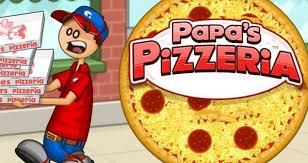
There’s something quietly hypnotic about games like Papa’s Pizzeria. At first glance, it’s just dragging toppings, sliding pies into the oven, and handing them to cartoon customers. But spend a few minutes, and suddenly you’re deeply invested in every cheese layer, every timer, and every impatient frown. The game manages to make tiny actions feel meaningful, and somehow, that’s incredibly engaging.
The Pull of Micro-Tasks
The genius of these games lies in the micro-tasks. Each order is simple, but handling multiple orders at once creates a delicate tension. You’re watching the oven, checking toppings, and prioritizing customers—all at the same time. The challenge is never overwhelming, but it’s just enough to keep your brain fully engaged.
There’s something deeply satisfying about completing these small tasks perfectly. A pizza baked on time, a customer happy with their toppings, a streak of orders delivered without mistakes—these small wins provide a rush of accomplishment that feels bigger than it really is.
How Chaos Becomes Habit
What’s fascinating is how repetition creates habit. Dragging sauce, layering cheese, flipping pizzas—it’s repetitive, but each action has immediate consequences. Over time, players develop rhythms: which orders to tackle first, when to check the oven, how to sequence toppings efficiently. The game rewards attention to detail in tiny increments, reinforcing behavior without feeling forced.
This is why casual cooking games can be surprisingly addictive. They train focus, memory, and multitasking in a playful environment where mistakes are safe. That tiny loop of action, feedback, and reward is enough to keep players returning day after day.
[Explore other time-management games here]
The Emotional Layer
Even small pixelated customers matter. Their smiles, frowns, or tapping hands provide subtle cues that guide your actions. You start to anticipate their preferences and moods. It’s funny how a simple game can make you care—just enough—to prioritize certain orders or work faster when someone is impatient. These small emotional connections, even in a virtual context, add depth to an otherwise simple time-management task.
Why We Keep Returning
Games like Papa’s Pizzeria hit a sweet spot between challenge and control. They’re predictable enough to feel manageable, but dynamic enough to require focus. The satisfaction of mastering a rush hour, nailing a complicated order, or beating your previous record creates a loop of engagement that’s both motivating and comforting.
Even failures are constructive. A slightly burnt pizza or a forgotten topping isn’t punishing—it’s feedback. It’s a subtle nudge to adjust strategy next time, keeping the gameplay dynamic without ever being stressful. That’s why even a short session can feel like a meaningful accomplishment.
[Learn more about game psychology here]
The Quiet Appeal of Control
Ultimately, the pull of these games is about control and accomplishment. In a small, chaotic digital world, your actions matter. You manage tasks, satisfy customers, and create order from disorder. It’s satisfying in a way that’s hard to articulate, yet immediately recognizable when you’re in the flow.
There’s a gentle thrill in seeing a perfect streak of orders completed, a small, safe success that makes you want to keep playing. Maybe that’s why simple pizza games stick with us for hours—because they turn ordinary, repetitive tasks into moments of pride, focus, and quiet joy.
Categorie
Leggi tutto
Taking full control of your crypto assets can significantly change how you manage security and access. Many users explore decentralized wallets as a way to eliminate third-party dependency and gain complete ownership of private keys. This guide outlines how these wallets function, their advantages in terms of control, and the responsibilities they bring. It also compares them with custodial...
According to TechSci Research report, “Germany Smart Parking Market – By Region, Competition, Opportunities and Forecast, 2020-2030F”, the Germany Smart Parking Market was valued at USD 583.22 Million in 2024 and is projected to reach USD 1260.73 Million by 2030, growing at a robust CAGR of 13.71% during the forecast period. This remarkable growth reflects...

Short-yardage situations in College Football 26 Coins are some of the most intense and critical moments of a game. Whether it's third-and-one or a goal-line scenario, converting these plays can keep a drive alive, maintain momentum, and often determine the outcome of a matchup. To excel in short-yardage situations, players need to understand the best formations, plays, and strategies for...

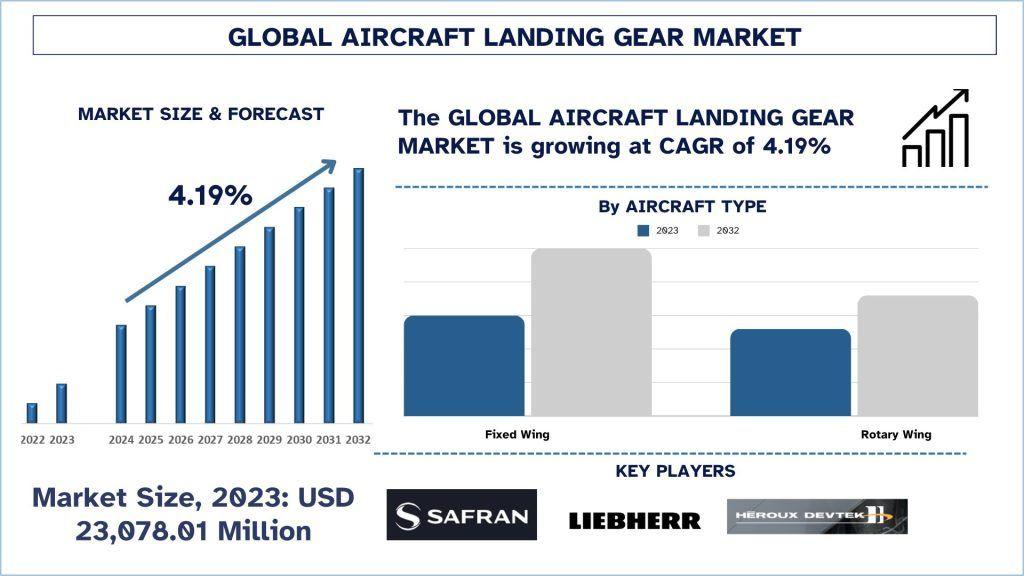
According to UnivDatos, the growing demand for high-efficiency landing gear systems is set to drive the expansion of the global aircraft landing gear market. As per the Global Aircraft Landing Gear Market report, the market was valued at USD 23,078.01 million in 2023 and is expected to grow at a CAGR of 4.19% during the forecast period 2024–2032, reaching USD million by 2032. Aircraft...
1. Discovering Panangad, Kerala A Serene Coastal Village with Timeless Charm OneEarth Properties Panangad, a tranquil suburb located on the outskirts of Kochi in Kerala, is a hidden gem that beautifully blends natural beauty with cultural richness. Nestled along the scenic backwaters of Vembanad Lake, panangad kerala offers a peaceful escape from the hustle and bustle of city life while...
