Aluminum Braided Wire Manufacturers Kunli: Aluminum vs Copper in Electric Vehicles
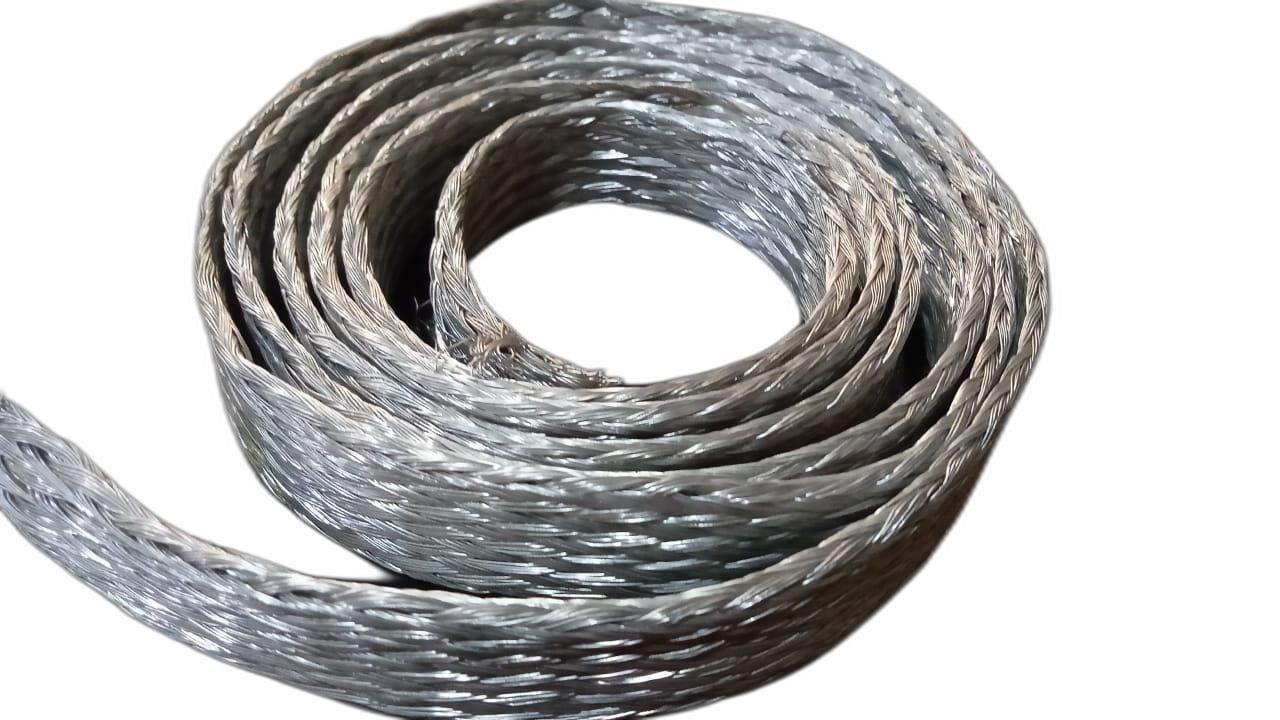
Aluminum Braided Wire Manufacturers offer choices that help industries weigh the differences between aluminum braided wire and copper braided wire. Many decision-makers in automotive, new energy, and related fields compare these materials based on weight, cost, conductivity, and durability to find the right fit for their projects.
Weight stands out as a major consideration. Aluminum has lower density than copper, so aluminum braided wire results in lighter assemblies for equivalent current-carrying capacity. In electric vehicles, this reduction in harness weight contributes to improved range on a single charge. Vehicle designers use the saved mass to add battery capacity, enhance structural elements, or include additional features without raising overall vehicle weight. Conventional vehicles also benefit through lower fuel consumption when wiring systems become lighter.
Conductivity varies between the two. Copper provides higher electrical conductivity per unit volume, allowing thinner wires to handle the same current in space-limited areas. Aluminum requires a modestly larger cross-section to match current capacity, but this adjustment often remains practical. In applications where volume constraints matter less, the aluminum option delivers sufficient performance while keeping weight down.
Cost differences influence selections frequently. Aluminum braided wire generally involves lower material expenses due to more abundant raw resources and steadier market pricing compared to copper. This aspect supports budget control in large-scale manufacturing, such as producing wiring harnesses for electric vehicle assembly lines or cabling for solar and wind installations. Stable costs aid in forecasting for multi-year projects and scaling production without unexpected price swings.
Mechanical behavior and flexibility play roles as well. Both types feature braided construction that allows bending and twisting in tight spaces. Aluminum braided wire handles vibration and movement in automotive environments, distributing stress across strands to reduce fatigue risk. Similar advantages apply in renewable energy setups where cables endure wind-induced motion or thermal cycling.
Corrosion resistance differs noticeably. Aluminum naturally develops an oxide layer that protects against environmental degradation in moist, coastal, or outdoor conditions. This quality suits electric vehicle battery connections exposed to road salt or renewable energy cables in open fields. Copper braided wire performs reliably but sometimes needs protective measures in harsh settings to maintain long-term integrity.
Thermal properties require attention during design. Aluminum expands more than copper with temperature rises, so connection methods must account for this to prevent loosening at joints. Techniques like secure crimping, specialized terminals, or compatible alloys help manage these differences effectively in high-reliability applications.
In automotive use, aluminum braided wire commonly appears in grounding straps, battery interconnects, shielding for electronic modules, and secondary power distribution where weight savings align with efficiency goals. Copper braided wire often suits primary high-current paths or areas demanding compact size.
New energy applications follow comparable logic. Aluminum braided wire facilitates easier handling and installation in extensive solar arrays or wind farm collector systems due to reduced weight. Copper braided wire fits shorter runs or sections with higher current density needs.
The choice depends on project priorities: weight reduction and cost control favor aluminum braided wire in many cases, while space efficiency and conductivity density support copper in others. Both materials integrate into modern systems when specifications match requirements.
Engineers continue to refine designs and alloys to address specific demands in electric mobility and renewable power. Reviewing application details helps clarify which braided wire type suits particular voltage, current, environmental, and installation conditions.To learn more about available aluminum braided wire options, specifications, and customization possibilities, visit https://www.kunliwelding.com/
Categorie
Leggi tutto
Accounting interviews represent an overwhelming topic area encompassing so many types of technical concepts, practical cases and the myriad expectations from accountants working in the industry. Whether you are a fresher or an experienced professional, the right preparation strategy makes a big difference in your confident performance. Start with the Basics The best places to start are at the...

Polaris Market Research has introduced the latest market research report titled Single-Use Assemblies Market Size, Share, Trends, Industry Analysis Report: By Product (Bag Assemblies, Filtration Assemblies, Bottle Assemblies, Tubing Assemblies, and Others), Application, End Users, and Region (North America, Europe, Asia Pacific, Latin America, and Middle East & Africa) – Market...
Data Bridge Market Research analyses that the blow-fill-seal equipment market was valued at USD 9133.64 million in 2022 and is expected to reach USD 15344.73 million by 2030, registering a CAGR of 6.70% during the forecast period of 2023 to 2030. The global business landscape is undergoing a transformation, with industries increasingly leaning on deep research and actionable insights to make...
Nohu Win là nhà cái cá cược trực tuyến uy tín và chuyên nghiệp, mang đến cho người chơi Việt Nam một môi trường giải trí hiện đại, an toàn và hấp dẫn. Với hệ thống trò chơi đa dạng, giao diện thân thiện và công nghệ bảo mật cao, Nohu Win ngày càng được nhiều người tin tưởng lựa...
Arterial Filter Market: Growth, Trends, Demand & Future Outlook (2025–2033) The arterial filter market is a vital segment within the global cardiovascular medical devices industry. Arterial filters are indispensable components used during cardiopulmonary bypass (CPB) procedures, where they ensure the safe circulation of blood by removing air bubbles, microemboli, and...