


What Is Scripting? A Complete Guide to Scripting, Use Cases & Benefits
Scripting is a core concept in modern programming that helps automate tasks, improve efficiency, and simplify complex workflows. From building dynamic websites to automating repetitive processes, scripting is widely used across industries. This guide explains what scripting is, how it works, its use cases, and why it is important for developers in 2025.
What is Scripting?
Scripting refers to writing small programs, known as scripts, that automate tasks or control other software. Unlike traditional programming, which focuses on building complete applications, scripting is mainly used to enhance existing systems and reduce manual effort.
Most scripting languages are interpreted, meaning they run directly without compilation. This allows faster development and quick testing. Whether it is handling files, connecting to databases, or automating workflows, scripting makes processes more efficient and less time-consuming.
Scripting vs Traditional Programming
Scripting and traditional programming differ in execution, purpose, and scalability. Scripting languages are interpreted at runtime, allowing quick execution and rapid changes. In contrast, traditional programming languages are compiled before execution, making them more efficient but slower to develop.
Scripting is mainly used for automation, integration, and small tasks like web scraping or backups. Programming is used to build complex systems such as applications, games, or operating systems. While scripting is flexible and fast, traditional programming is more suitable for large-scale and performance-heavy systems.
Common Scripting Languages
Several scripting languages are widely used today due to their simplicity and versatility.
Python is one of the most popular scripting languages, known for its clean syntax and use in data analysis, automation, and artificial intelligence. JavaScript is essential for web development, enabling dynamic and interactive websites. Bash is commonly used in Linux systems for task automation and system management. Ruby is known for its simplicity and is widely used in web development. PowerShell is used in Windows environments to automate administrative tasks and improve system efficiency.
Use Cases of Scripting
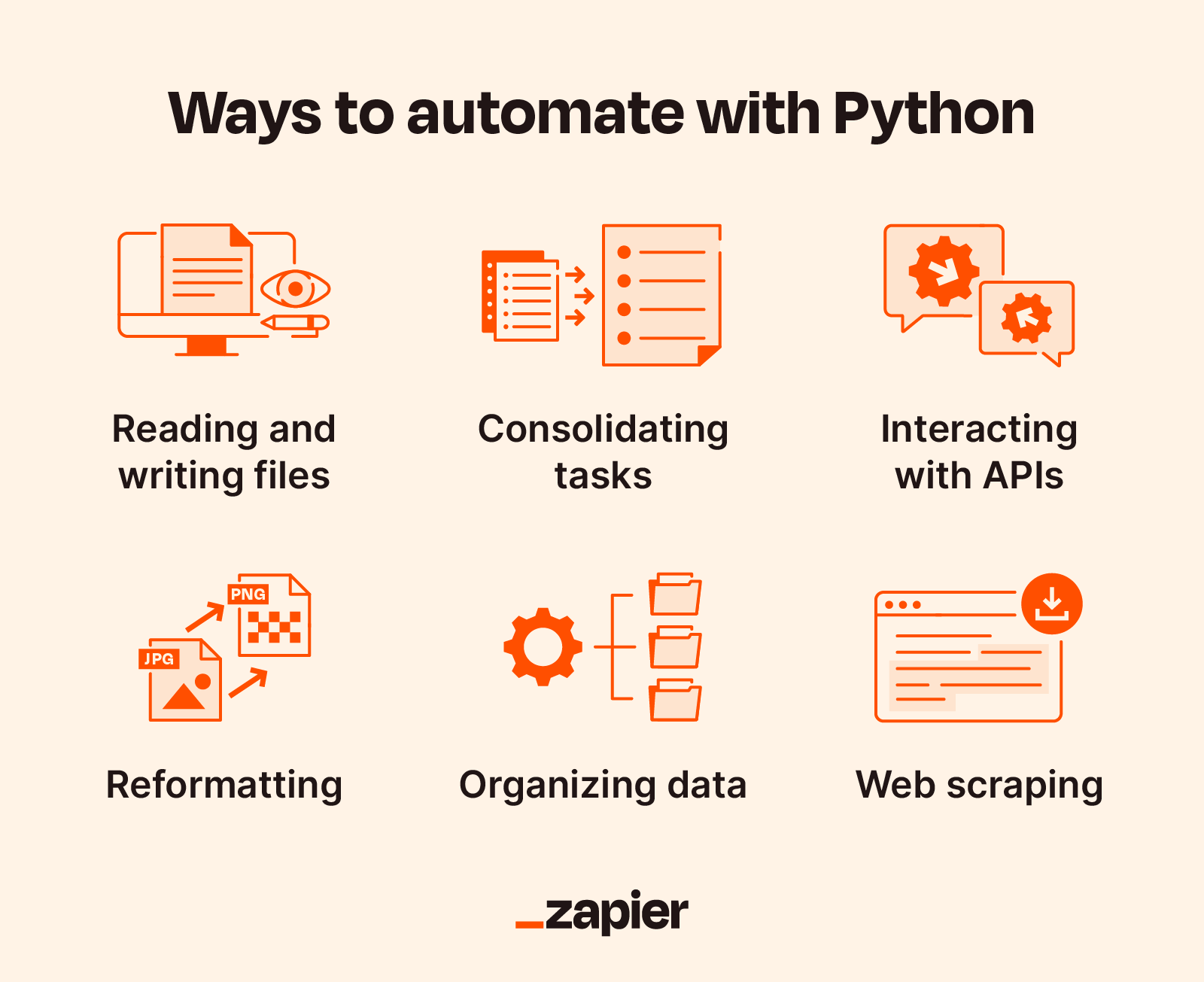
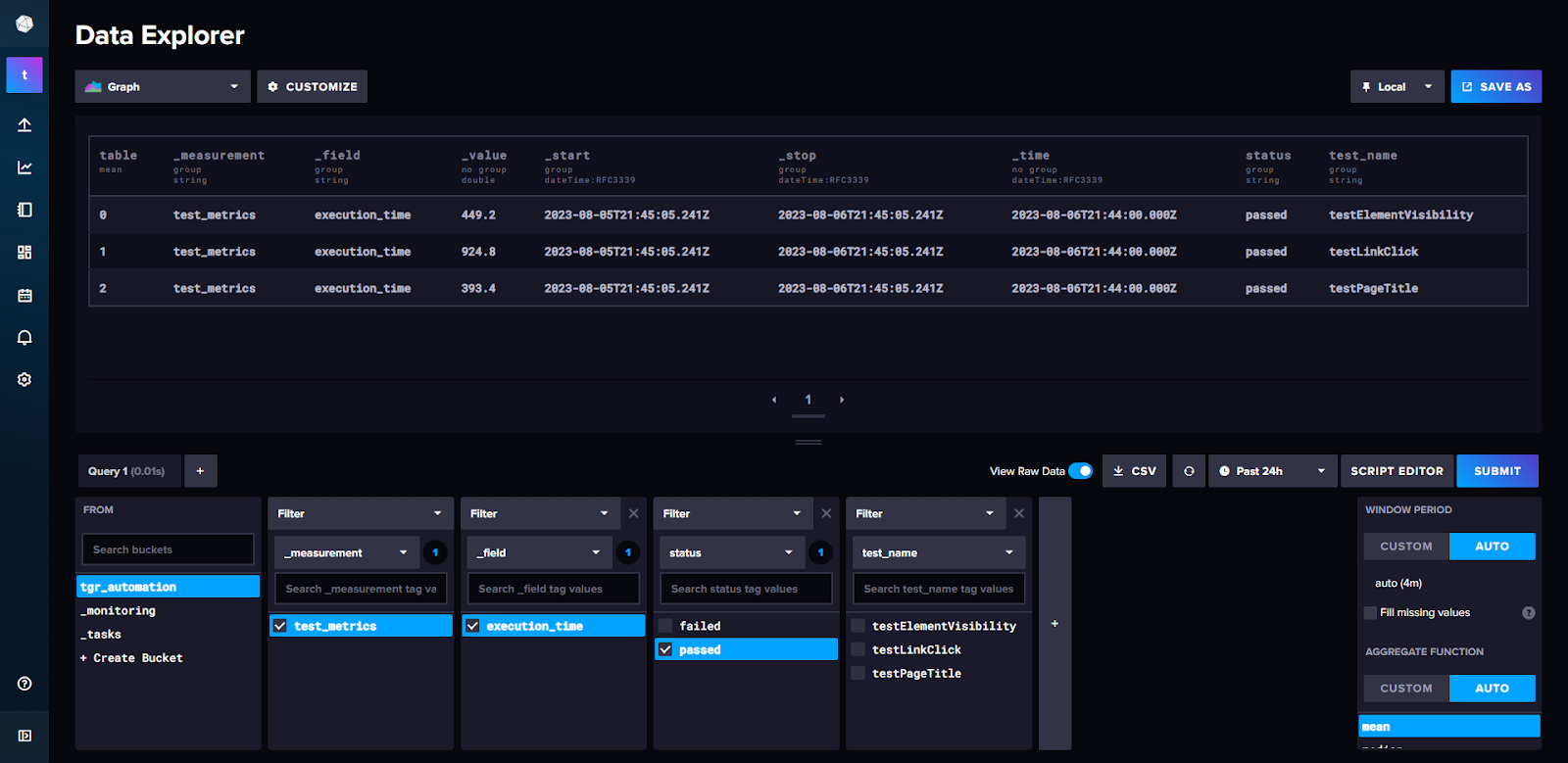
Scripting is used across multiple domains to improve productivity and efficiency.
In automation, scripts handle repetitive tasks such as file transfers, backups, and data processing, reducing human effort and errors. In web development, scripting enables interactive websites and backend functionality. In software testing, scripts automate test cases, ensuring faster and more reliable testing.
Scripting is also widely used in data analysis, where tools like Python help process and visualize data. System administrators use scripting for server management, monitoring, and log analysis, making operations smoother and more efficient.
How Scripting Works
Scripting works through interpreters that execute code line-by-line. Developers write scripts using editors or IDEs, and the interpreter runs them directly without compilation.
For example, a Python script can rename files automatically, while a Bash script can perform backups on a server. This direct execution makes scripting flexible and ideal for quick changes and rapid development.
Benefits of Scripting
Scripting offers several advantages that make it highly valuable in modern development. It is easy to learn due to its simple syntax, making it beginner-friendly. Development is faster because scripts do not require compilation. It is flexible and integrates easily with other tools and systems.
Scripting is also cost-efficient as it reduces manual work and saves time. Many scripting languages are cross-platform, allowing scripts to run on different operating systems without major changes.
Scripting in Software Testing
Scripting plays a major role in software testing by enabling automation. Testing tools use scripts to execute repetitive test cases without manual effort.
For example, a script can simulate user actions such as logging in, clicking buttons, and validating results. This improves testing speed, ensures consistency, and helps detect bugs early, leading to better software quality.
Challenges in Scripting
Despite its advantages, scripting has some limitations. It may be slower than compiled languages for performance-heavy tasks. Debugging can sometimes be difficult due to limited tools. Additionally, poorly written scripts can create security risks, making it important to follow best practices and proper validation.
What is the Illuminate Script?
Illuminate is associated with Laravel, a popular PHP framework. It refers to Laravel’s core components that simplify tasks such as routing, database management, and authentication.
These components help developers build applications faster by providing ready-made solutions. Illuminate scripts show how scripting can improve productivity and maintainability in modern web development.
Conclusion
Scripting is an essential skill for developers in today’s tech landscape. It helps automate tasks, improve efficiency, and simplify development processes. Whether you are working in web development, data analysis, or system administration, scripting can significantly enhance your productivity.
Learning scripting languages like Python or JavaScript can open up many career opportunities and help you build efficient and scalable solutions.
FAQs
1. How do scripting languages differ from programming languages?
Scripting languages are interpreted and used for automation and integration, while programming languages are often compiled and used to build full-scale applications.
2. Which scripting languages are most popular in 2025?
Popular scripting languages include Python, JavaScript, TypeScript, PHP, and Ruby.
3. How can I choose the right scripting language to learn?
Choose based on your goals. For web development, learn JavaScript. For data analysis, choose Python. For system automation, Bash or PowerShell are good options.
Categorias
Leia Mais
Jonathan Majors takes the lead in Netflix's upcoming western, "The Harder They Fall," directed by the multi-talented Jeymes Samuel, also known as The Bullitts. The film follows outlaw Nat Love, portrayed by Majors, who reassembles his gang after learning of the impending release of the man who murdered his parents twenty years prior, setting him on a relentless path for vengeance. Behind the...

Upcoming Phase in Electric Mobility for India: The Beginning of Electric Bikes and Motorcycles India experiences a fast transition which establishes electric mobility as the primary force driving sustainable transportation development. People are turning to electric vehicles because of two reasons which include rising fuel prices and their growing environmental awareness and government...

Cold Plasma Industry Insights: Straits Research recently introduced the latest update on the Cold Plasma Market that provides an extensive outlook of the market, analyzing key growth opportunities, challenges, risk factors, and emerging trends across diverse geographic regions. The report offers a definitive and meticulous analysis of the Cold Plasma industry size, share, demand,...

Dofus 3.2: Nouvelles innovations Depuis le lancement de Dofus 3, la communauté ne cesse de croître, captivée par sa vision modernisée du univers des Douze et ses fréquentes mises à jour. Chaque nouvelle version suscite une grande excitation, car elle apporte son lot de contenus innovants, de nouvelles mécaniques de jeu et...

In today's fast-moving digital world, businesses rely on technology for almost every aspect of their operations. While this brings greater efficiency and growth opportunities, it also increases the risk of cyber threats. From ransomware attacks and phishing emails to data breaches and malware, cybercriminals are constantly finding new ways to target organizations of every size. This is why...
