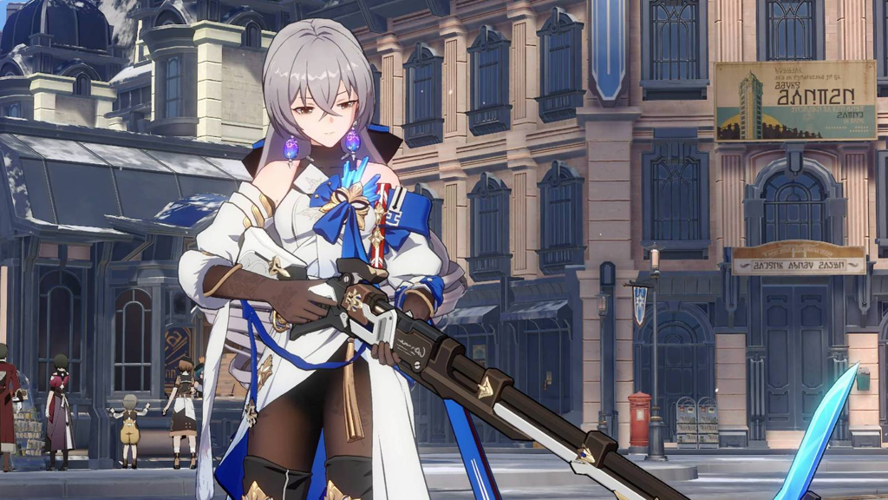
Book illustration plays a crucial role in modern publishing, shaping how readers visually experience stories, concepts, and information. From children’s picture books to educational textbooks and graphic novels, illustrations help translate written words into engaging visual narratives. In today’s competitive publishing landscape, visuals are no longer optional they are often essential for reader engagement and market success.
Industry insights suggest that books with strong visual elements can see up to 35–50% higher reader engagement rates compared to text-only formats, especially in children’s and educational segments. With the rise of digital publishing and eBooks, demand for high-quality illustration has increased significantly. The purpose of this blog is to explore the major types of book illustration styles and understand how they shape storytelling in different ways.
What is Book Illustration?
Book illustration refers to the artistic creation of images that visually support or enhance written content. These illustrations can be decorative, narrative-driven, or informational depending on the book type and audience. Unlike graphic design, which focuses on layout and communication, illustration is more focused on storytelling and emotional expression.
This is where illustration services become highly relevant in today’s publishing ecosystem. Professional illustrators help authors and publishers translate ideas into compelling visuals that align with the tone and purpose of the book. In modern publishing workflows, illustrations are often planned alongside writing rather than added at the end.
Studies in publishing trends show that illustrated books are significantly more likely to perform well in competitive markets, with some categories seeing up to 40% higher sales in visually enhanced editions compared to non-illustrated versions.
Classic / Traditional Illustration Style
Traditional illustration is one of the oldest and most respected forms of book artwork. It involves hand-drawn techniques such as pencil sketching, ink drawing, watercolor painting, and gouache. Before the rise of digital tools, this was the primary method used in publishing.
This style is known for its authenticity, texture, and artistic depth. Each illustration often carries a unique human touch that cannot be fully replicated digitally. Historically, many classic literary works and early children’s books relied heavily on this method.
Key characteristics:
- Hand-drawn artwork using physical media
- Rich textures and artistic imperfections
- Strong emotional and nostalgic appeal
- Time-intensive creation process
- Ideal for classic literature and premium editions
However, traditional illustration is often slower and more expensive due to manual effort and material requirements.
Digital Illustration Style
Digital illustration has become the dominant style in modern publishing due to its flexibility, scalability, and speed. Created using software like Adobe Illustrator, Photoshop, and Procreate, this style allows artists to easily edit and refine artwork.
Today, it is estimated that over 70% of new illustrated books use some form of digital artwork, especially in eBooks and commercial publishing.
Advantages include:
- Faster production timelines
- Easy editing and revisions
- High scalability for print and digital formats
- Wide range of visual effects and styles
- Cost-efficient compared to traditional methods
Digital illustration is widely used in children’s books, educational materials, and marketing content due to its adaptability.
Minimalist Illustration Style
Minimalist illustration focuses on simplicity, clarity, and visual efficiency. It uses clean lines, basic shapes, and limited color palettes to communicate ideas effectively without visual clutter.
This style has gained popularity in modern publishing, especially in digital-first books and design-focused publications. Readers today often prefer visually clean content that is easy to process.
Key features:
- Simple shapes and clean design
- Limited but intentional use of color
- Focus on clarity and readability
- Strong emphasis on negative space
- Popular in modern editorial and children’s books
Minimalist illustrations are especially effective in educational books where clarity is more important than detail.
Realistic Illustration Style
Realistic illustration aims to replicate real-world objects, people, and environments with high accuracy and detail. It is commonly used in scientific, historical, and educational books where precision is essential.
Midway through modern publishing workflows, even a book publishing service may integrate realistic illustrations to enhance academic content, making complex subjects easier to understand visually.
This style requires advanced artistic skill and attention to detail. It often involves multiple layers of shading, texture work, and perspective accuracy.
Key characteristics:
- High level of detail and precision
- Lifelike representation of subjects
- Strong educational value
- Time-consuming and skill-intensive
- Common in science and history books
Realistic illustration significantly improves comprehension in technical and academic content.
Cartoon / Comic Illustration Style
Cartoon and comic illustration is one of the most engaging and expressive styles used in book publishing. It is widely popular in children’s literature, graphic novels, and entertainment books.
This style uses exaggerated features, bold outlines, and expressive characters to communicate emotions and narratives in a fun and engaging way.
Benefits include:
- High reader engagement, especially among children
- Strong emotional expression through characters
- Simplified storytelling through visuals
- Flexible use in humor and education
- Popular in graphic novels and comic books
Studies show that children’s books with cartoon-style illustrations can increase reading interest by up to 60% compared to text-only books.
Abstract & Experimental Illustration Style
Abstract illustration focuses on symbolic and conceptual visuals rather than realistic representation. It is often used in artistic books, poetry collections, and experimental literature.
This style allows readers to interpret visuals in their own way, making it highly subjective and emotionally driven.
Key aspects:
- Non-realistic and symbolic visuals
- Focus on emotion and concept over accuracy
- Often used in niche or artistic publications
- Encourages reader interpretation
- Less common but growing in creative publishing
Abstract illustration is particularly popular in modern art books and experimental storytelling formats.
Key Illustration Styles Overview
- Traditional: Hand-drawn, artistic, classic appeal
- Digital: Fast, flexible, widely used in modern publishing
- Minimalist: Clean, simple, clarity-focused
- Realistic: Detailed, educational, highly accurate
- Cartoon/Comic: Expressive, engaging, entertainment-driven
- Abstract: Symbolic, artistic, interpretive
Impact of Illustration Styles on Publishing
Illustration styles significantly influence how a book is received by readers. Publishers often select illustration styles based on target audience, genre, and market positioning. The choice of style can directly affect sales, engagement, and reader retention.
Key impacts include:
- Improves reader engagement and comprehension
- Enhances storytelling experience
- Increases marketability of books
- Helps define book genre identity
- Strengthens emotional connection with readers
Future of Book Illustration Styles
The future of illustration is being shaped by technology, particularly AI and digital tools. AI-assisted illustration is becoming more common, allowing faster concept development and creative experimentation. However, human creativity remains essential for emotional depth and storytelling.
Emerging trends include:
- AI-generated illustration concepts
- 3D and interactive book visuals
- Motion-based illustrations in digital books
- Hybrid styles combining traditional and digital art
- Personalized illustrations based on reader preferences
Experts suggest that over the next decade, more than 80% of illustrated books will involve some form of digital or AI-assisted workflow.
Conclusion
Book illustration styles are diverse, each serving a unique purpose in storytelling and publishing. From traditional hand-drawn art to modern digital and abstract styles, illustrations play a powerful role in shaping how readers experience books.
The choice of illustration style depends on the book’s purpose, audience, and message. Whether it is realism for education, cartoons for children, or abstract visuals for artistic expression, illustrations transform written content into memorable visual experiences. In modern publishing, illustrations are no longer just decorative they are a core part of storytelling itself.