What Are the Advantages of Using a Door Skin in Construction?
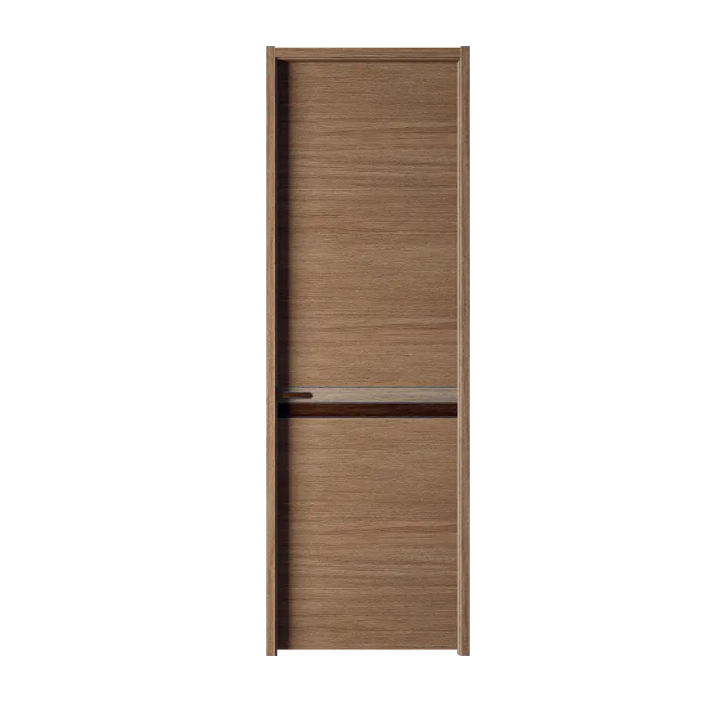
A door skin is a thin layer of material applied to the surface of a door to provide aesthetic appeal, protection, and structural support. It is commonly used in both residential and commercial construction to enhance plain doors or replace damaged surfaces without the need for a full door replacement. The versatility and durability of a door skin make it a practical choice for homeowners, contractors, and manufacturers alike.
Materials and Construction
Door skins are typically made from materials such as medium-density fiberboard (MDF), plywood, PVC, or HDF (high-density fiberboard). Each material offers unique characteristics in terms of durability, surface smoothness, and moisture resistance. For example, MDF door skins provide a smooth, uniform surface ideal for painting or laminating, while PVC door skins are water-resistant and easy to clean. By selecting the appropriate door skin, users can achieve the desired balance between aesthetics, performance, and budget.
Aesthetic Benefits
One of the main advantages of a door skin is its ability to transform the appearance of a door. Plain or outdated doors can be updated with decorative finishes, textures, or patterns without replacing the entire door. Door skins can mimic natural wood grains, incorporate modern designs, or provide a smooth, paint-ready surface. The use of a door skin allows for customization, making it possible to match doors with interior décor, wall finishes, or furniture styles.
Functional Advantages
Beyond aesthetics, a door skin provides practical benefits. It protects the core of the door from scratches, dents, and moisture damage. In cases where doors have been damaged or worn over time, applying a door skin can restore functionality and appearance quickly and cost-effectively. Additionally, certain materials used in door skins, such as PVC or HDF, enhance durability and resistance to environmental stress, extending the life of the door.
Applications in Residential and Commercial Spaces
Door skins are widely used in both residential and commercial applications. In homes, they can be applied to interior doors such as bedroom, bathroom, or closet doors. In commercial settings, door skins are used for office doors, hotel rooms, or public facility entrances. The versatility of door skins allows for adaptation to different styles, functional requirements, and budgets, making them a common choice in renovation and construction projects.
Installation and Maintenance
Installing a door skin is relatively straightforward but requires careful preparation. The door surface must be clean, smooth, and free from defects. Adhesives or mechanical fasteners are used to attach the skin securely. Once installed, a door skin is low-maintenance, requiring only regular cleaning to maintain its appearance. For painted or laminated door skins, occasional touch-ups may be necessary to preserve finish quality over time.
Cost-Effectiveness
Using a door skin is often more cost-effective than replacing an entire door. It allows homeowners and contractors to improve the look and function of doors without the higher expense and labor of full door replacement. A well-chosen door skin provides long-lasting results while minimizing disruption to existing interiors.
A door skin is a practical solution for enhancing both the appearance and durability of doors in residential and commercial spaces. Its range of materials, ease of installation, and aesthetic flexibility make it a valuable option for renovation, restoration, and new construction projects. By selecting an appropriate door skin and maintaining it properly, users can enjoy an attractive, functional, and long-lasting door surface that complements interior design and protects the underlying structure.
Категории
Больше
ever-evolving world of streetwear, a few standout pieces capture not only the style of the times but also the Sp5der Hoodie cultural pulse of urban fashion. The Streetcore Spider Hoodie is one such piece, a perfect embodiment of comfort, design innovation, and bold self-expression. This classic pullover with a striking spider graphic has quickly risen from being a niche choice for...

The geek bar pulse 15000, berry bliss geek bar, and geek bar orange have gained attention among people who prefer simple, ready-to-use vaping devices. Many vapers look for convenience, steady performance, and consistent flavour, and disposable devices like the Geek Bar Pulse series fit well into that routine. In this guide, we’ll take a closer look at what the Geek Bar Pulse 15000...
The latest business intelligence report released by Polaris Market Research on Vegan Dips Market Share, Size, Trends, Industry Analysis Report, By Type (Hummus, Salsa), By Flavors (Classic, Spicy), By Packaging (Bottles, Containers/Tubs), By Distribution Channel (Convenience Stores, Online), By Region, And Segment Forecasts, 2024 - 2032. It covers the in-depth knowledge of the Vegan...

VitaGLP Germany@:- is a modern dietary supplement specifically developed to support metabolism, control appetite, and aid in weight management. At a time when many people are seeking natural alternatives to strict diets, VitaGLP Germany is gaining increasing popularity. OFFICIAL FACEBOOKS@:- https://www.facebook.com/VitaGLP.DE/ https://www.facebook.com/VitaGLPErfahrungenDE/...
Electricity is one of the most essential energy sources in the modern world, transforming the way we live, work, and connect. Whether it’s lighting your home, powering appliances, or running industrial machinery, reliable electricity is at the heart of daily life. Understanding electricity not only helps you use it safely but also allows you to maximize its benefits. What Electricity Is...