


Kedarnath Dham Yatra Weather Guide for Safe Travel
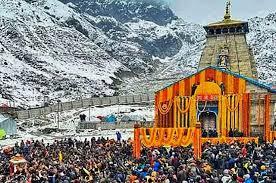
The sacred journey to Kedarnath Dham is one of the most spiritually rewarding pilgrimages in India. Nestled at an altitude of around 3,583 meters (11,755 feet) in the Garhwal Himalayas near the Mandakini River, the temple attracts millions of devotees every year. However, the weather in this high-altitude Himalayan region is unpredictable and often harsh, making it crucial for pilgrims to understand seasonal conditions before planning their yatra.
This detailed weather guide will help you prepare for the Kedarnath Dham Yatra safely, covering seasonal weather patterns, temperature ranges, best travel months, safety precautions, and essential packing tips.
1. Why Weather Awareness is Important for Kedarnath Yatra
The journey to Kedarnath Temple involves a 16–18 km trek from Gaurikund through mountainous terrain. Due to its altitude and geographic location, weather conditions can change rapidly.
Key weather challenges include:
-
Sudden snowfall
-
Heavy rainfall and landslides
-
Extremely low temperatures
-
Strong winds
-
Low oxygen levels
The region also experienced the devastating 2013 Kedarnath Floods, which highlighted the importance of proper planning and weather monitoring before undertaking the pilgrimage.
Understanding seasonal conditions ensures that pilgrims can avoid risks and enjoy a safe spiritual journey.
2. Seasonal Weather Guide for Kedarnath Yatra
The temple opens annually during Akshaya Tritiya and closes around Bhai Dooj. During winter, the idol is shifted to Omkareshwar Temple.
Let’s explore weather conditions in each season.
Summer Season (May – June)
Temperature
-
Daytime: 8°C to 18°C
-
Night: 0°C to 5°C
Weather Conditions
Summer marks the official start of the pilgrimage season. Snow begins to melt, and trekking routes become accessible.
Typical weather characteristics:
-
Cool but pleasant days
-
Cold nights
-
Clear skies with good visibility
-
Melting snow on higher slopes
Advantages of Summer Travel
✔ Ideal trekking weather
✔ Roads are open and accessible
✔ Maximum temple activities and facilities available
✔ Helicopter services operate regularly
Safety Tips
-
Carry thermal wear and warm jackets
-
Start trekking early morning
-
Stay hydrated at high altitude
-
Book accommodation in advance
For most pilgrims, May and early June are the best months for Kedarnath Yatra.
Monsoon Season (July – September)
Temperature
-
Daytime: 10°C to 15°C
-
Night: 5°C to 10°C
Weather Conditions
Monsoon brings heavy rainfall to the Himalayan region. During this period:
-
Landslides are common
-
Trekking paths become slippery
-
Cloud cover reduces visibility
-
Flash floods may occur
The nearby regions of Rudraprayag and Sonprayag often experience road disruptions due to landslides.
Risks During Monsoon
⚠ Landslides and road blockages
⚠ Trekking becomes dangerous
⚠ Helicopter services frequently get cancelled
⚠ Flood risks increase
Safety Recommendations
If traveling during monsoon:
-
Monitor weather forecasts daily
-
Avoid trekking during heavy rain
-
Carry raincoats and waterproof gear
-
Travel with a registered guide or group
Most travel experts recommend avoiding Kedarnath Yatra during peak monsoon.
Post-Monsoon Season (September – October)
Temperature
-
Daytime: 5°C to 12°C
-
Night: -2°C to 5°C
Weather Conditions
Post-monsoon is considered one of the best times to visit Kedarnath.
Weather characteristics:
-
Clear skies
-
Spectacular Himalayan views
-
Reduced rainfall
-
Crisp mountain air
Nearby peaks like Kedarnath Peak become clearly visible during this time.
Advantages
✔ Less crowd compared to summer
✔ Scenic landscapes and lush valleys
✔ Pleasant trekking weather
Challenges
-
Nights become colder
-
Occasional snowfall in late October
-
Limited daylight hours
Pilgrims visiting in October should carry heavy woolen clothing and gloves.
Winter Season (November – April)
Temperature
-
Daytime: -10°C to 5°C
-
Night: -15°C to -5°C
Weather Conditions
During winter, Kedarnath experiences extreme snowfall and the temple remains closed.
Key conditions:
-
Heavy snow accumulation
-
Temperatures far below freezing
-
Roads and trekking routes completely blocked
The idol of Lord Shiva is moved to Omkareshwar Temple where devotees continue worship during winter months.
Travel Advice
Tourists and pilgrims cannot visit Kedarnath temple in winter, although winter treks in nearby regions attract adventure travelers.
3. Best Time for Kedarnath Yatra
Based on weather conditions and travel safety, the best months to visit Kedarnath are:
May to June
-
Pleasant weather
-
Temple opening ceremonies
-
Good trekking conditions
September to October
-
Clear skies
-
Stunning mountain views
-
Moderate crowd levels
Avoid traveling during late July and August, which is peak monsoon season.
4. Weather Challenges During Kedarnath Trek
The trek from Gaurikund to Kedarnath Temple presents several weather-related challenges.
Rapid Temperature Drop
Temperatures can drop suddenly by 8–10°C within hours, especially after sunset.
Snowfall
Unexpected snowfall may occur even in May or October, making trekking difficult.
Strong Winds
High-altitude winds can cause wind chill, making temperatures feel much colder.
Altitude Sickness
Due to high altitude, pilgrims may experience:
-
Headache
-
Fatigue
-
Breathlessness
Taking rest breaks and staying hydrated can help minimize symptoms.
5. Essential Packing List for Weather Safety
Preparing properly for weather conditions is critical.
Clothing
-
Thermal innerwear
-
Woolen sweaters
-
Down jackets
-
Waterproof raincoat
-
Gloves and woolen caps
Trekking Gear
-
Waterproof trekking shoes
-
Walking stick
-
Sunglasses for snow glare
-
Backpack rain cover
Health Essentials
-
Basic medicines
-
Altitude sickness tablets
-
Energy snacks
-
Electrolyte powders
Even during summer, warm clothing is mandatory due to cold nights.
6. Weather-Based Travel Tips for Pilgrims
Check Forecast Daily
Weather conditions in the Himalayas can change rapidly. Always monitor forecasts before starting the trek.
Start Trek Early
The safest trekking time is between 4 AM and 11 AM, when weather is more stable.
Avoid Late Evening Travel
Temperatures drop quickly after sunset, increasing risks of hypothermia.
Register for Yatra
Pilgrims must complete registration through the Uttarakhand Tourism Development Board for safety tracking and emergency support.
Use Government Helplines
Authorities provide updates on:
-
Weather alerts
-
Trek route closures
-
Landslide warnings
7. Helicopter Travel and Weather
Many pilgrims choose helicopter services from locations like:
-
Phata
-
Sersi
-
Guptkashi
However, helicopter flights depend heavily on weather conditions.
Flights may be cancelled due to:
-
Poor visibility
-
Heavy rain
-
Snowfall
-
Strong winds
Pilgrims should keep buffer days in their travel schedule in case of delays.
8. Climate Change and Weather Variability
In recent years, Himalayan weather patterns have become more unpredictable due to climate change. Sudden rainfall, glacial melting, and flash floods have increased risks in the region.
Authorities are now focusing on:
-
Improved disaster warning systems
-
Better trekking route infrastructure
-
Pilgrim safety protocols
Travelers should stay informed and follow official guidelines during their pilgrimage.
Conclusion
The journey to Kedarnath Dham is not only a spiritual experience but also an adventure through the majestic Himalayas. However, the region’s extreme and unpredictable weather makes preparation essential.
Understanding seasonal weather conditions, packing appropriately, monitoring forecasts, and following safety guidelines can make your Kedarnath Yatra safe, comfortable, and spiritually fulfilling.
For the best experience, plan your visit between May–June or September–October, avoid monsoon risks, and always respect the power of Himalayan weather.
A well-prepared pilgrimage ensures that your journey to the sacred abode of Lord Shiva becomes a memorable and safe spiritual adventure. 🕉️🏔️
Catégories
Lire la suite
If you’re searching for reliable, professional plumbers in Houston or plumbers in Tomball, your search ends here. At Peter’s Plumbing & Remodeling, we are committed to delivering top-quality plumbing solutions to homeowners and businesses throughout the Greater Houston Area. With years of experience and a dedication to customer satisfaction, we’ve earned our...

Selecting the right training center is one of the biggest decisions for anyone planning to start or grow a tech career. With the rapid rise of digital jobs, many students in Kerala—especially in the capital city—are searching for trustworthy places to build real skills. But with so many institutes promising excellent training, making the right choice is not always easy....

Most people publish a guest post and then wait. They check their analytics for a few days, see a small spike, and move on. Then nothing. No lasting traffic. No real growth. Just a one-time bump that fades quickly. The problem isn't guest posting. The problem is the approach. Because when done strategically, guest posts don't just bring a spike. They bring a steady, compounding stream of...
Global Demand Outlook for Executive Summary Western Europe Self Injection Device Market Size and Share The Western Europe Self Injection Device Market is experiencing strong growth due to increasing prevalence of chronic diseases, rising demand for home healthcare solutions, and growing adoption of advanced drug delivery technologies across countries such as Germany, France, the United Kingdom,...
Introduction The way people join and interact with digital platforms has changed dramatically over the past decade. In the early days of online services, registration processes were often lengthy and complicated. Users were expected to complete multiple forms, provide extensive information, verify accounts through several steps, and navigate interfaces that were not always intuitive. While...
