Electrical Problems in House: A Complete Guide for Homeowners
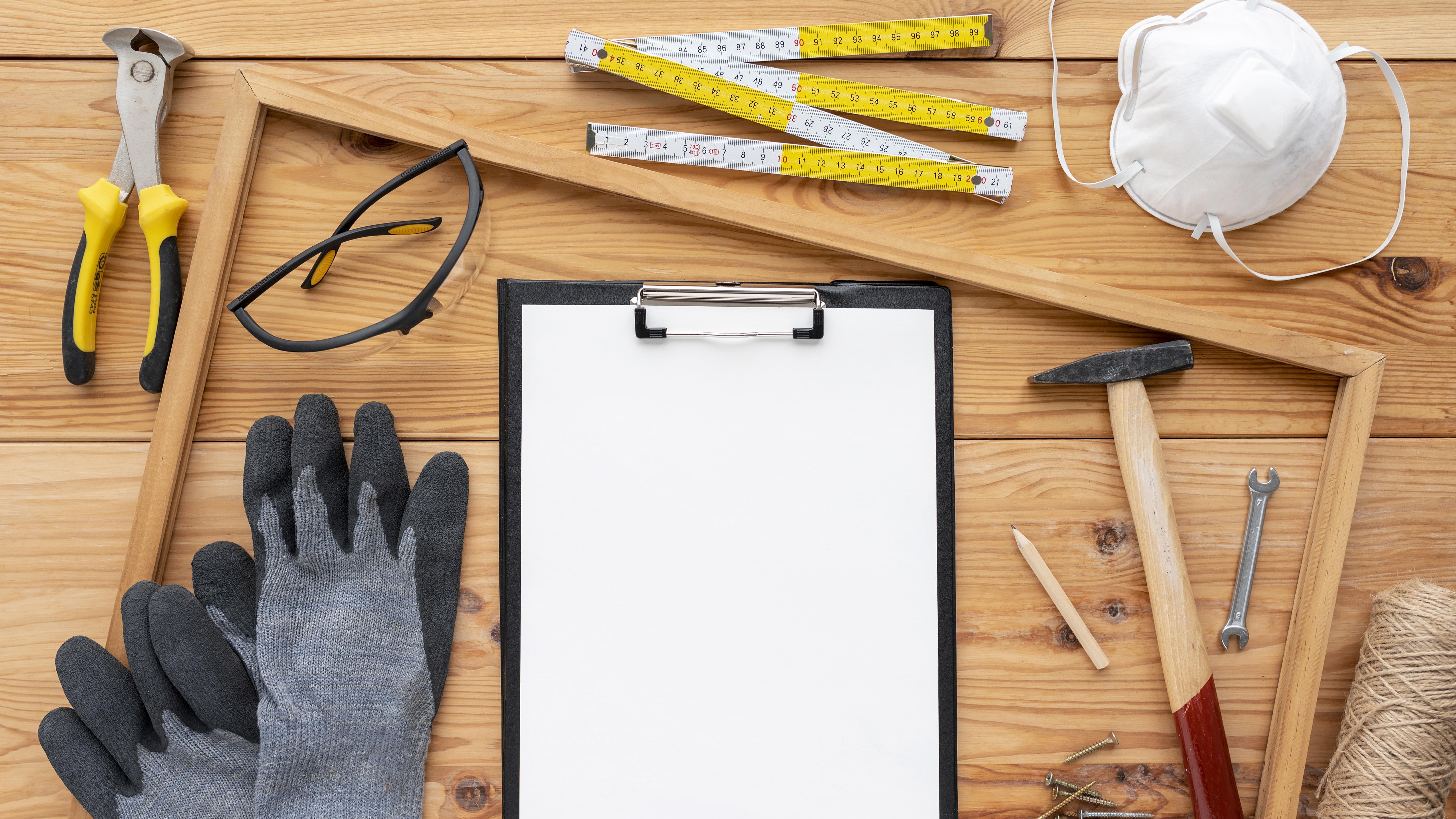
Electrical issues in a home can be stressful and sometimes dangerous. From minor flickering lights to major wiring problems, understanding how to identify and address electrical problems in the house is essential for safety and convenience. Proper maintenance and timely repairs prevent hazards, reduce costs, and keep your home running smoothly.
Common Electrical Problems in the House
Many homeowners experience common electrical issues that, if ignored, can escalate into serious problems. Recognizing these issues early is key.
Flickering or Dimming Lights
Lights that flicker or dim often indicate loose wiring, overloaded circuits, or faulty fixtures. While it may seem minor, repeated flickering can damage electronics and increase the risk of fire.
Circuit Breaker Trips Frequently
If your circuit breaker trips regularly, it may signal an overloaded circuit, a short circuit, or an outdated electrical panel. Ignoring this issue can lead to outages or electrical hazards.
Outlets Not Working
Non-functional outlets can result from loose wiring, worn-out receptacles, or circuit issues. Testing outlets and repairing or replacing them promptly ensures safety and convenience.
Burning Smell or Sparks
A burning smell near outlets, switches, or electrical panels, or visible sparks, requires immediate attention. These signs often indicate serious wiring issues or overloaded circuits.
Power Surges
Frequent power surges can damage appliances and electronics. Installing surge protectors and checking wiring can prevent long-term damage.
Signs That Require Professional Help
Some electrical problems should never be ignored. Homeowners should contact a licensed electrician if they notice:
- Persistent burning smells or smoke from outlets or switches
- Sparks when plugging in appliances
- Circuit breakers that trip repeatedly without reason
- Hot or discolored outlets or switches
- Electrical shocks when touching switches or appliances
How to Prevent Electrical Problems in the House
Prevention is always better than repair. Simple steps can reduce the risk of electrical hazards and ensure your home remains safe and functional.
Use Quality Electrical Components
Investing in high-quality outlets, switches, and wiring reduces the risk of malfunctions and extends the lifespan of your electrical system.
Avoid Overloading Circuits
Do not plug too many devices into one outlet or power strip. Spread appliances across circuits to prevent overheating and tripping breakers.
Regular Inspections
Schedule periodic inspections by a licensed electrician to catch potential issues before they become dangerous.
Keep Water Away from Electrical Sources
Water and electricity are a dangerous combination. Ensure outlets, appliances, and wiring near sinks, bathrooms, or outdoor areas are properly protected.
Homeowners Maintenance Checklist
A regular maintenance routine helps prevent common electrical problems in the house. Using a homeowner's maintenance checklist ensures all critical areas are checked consistently.
- Test Smoke and Carbon Monoxide Detectors: Replace batteries and ensure detectors are functioning properly.
- Inspect Outlets and Switches: Check for cracks, discoloration, or loose fittings.
- Examine Electrical Panels: Look for signs of rust, corrosion, or overheating.
- Check Extension Cords and Power Strips: Avoid overuse and replace damaged cords immediately.
- Inspect Light Fixtures: Ensure bulbs are secure and wiring is intact.
- Schedule Professional Inspections: A licensed electrician can spot hidden issues and update old wiring.
Additional Safety Tips for Homeowners
Electrical safety extends beyond repairs and inspections. Homeowners can take proactive steps to protect their family and property.
- Educate family members on the location of circuit breakers and how to shut off power during emergencies
- Avoid DIY electrical work if you are unsure, as improper handling can cause serious injury
- Keep flammable materials away from electrical devices and panels
- Use surge protectors for sensitive electronics to prevent damage
Benefits of Regular Maintenance
Maintaining your home’s electrical system offers many advantages:
- Safety: Reduces the risk of electrical fires, shocks, and accidents
- Efficiency: Ensures appliances and systems operate smoothly without unexpected interruptions
- Cost Savings: Prevents costly repairs caused by neglect or delayed action
- Peace of Mind: Homeowners can feel confident that their property is secure and well-maintained
Final Thoughts
Electrical problems in the house are common but manageable with careful observation, routine maintenance, and professional support when needed. Following a homeowners maintenance checklist ensures safety, efficiency, and longevity for your electrical systems. For trusted, professional electrical solutions in your area, Sam’s Handyman Services offers reliable assistance to handle inspections, repairs, and maintenance with care and expertise.
Categorie
Leggi tutto
Waylay, nouvelle duelliste lumineuse L'heure de la nouveauté sonne dans l'univers de VALORANT. Une duelliste d'origine thaïlandaise, Waylay, se prépare à faire son entrée. Son arsenal repose sur une maîtrise inédite de la lumière. Elle pourra se transformer en particules lumineuses, une capacité de mobilité et d'esquive unique....

Women’s cricket in India has grown tremendously over the last few years. What was once followed by a smaller audience has now become one of the most exciting parts of international cricket. From thrilling T20 clashes to competitive ODI matches and memorable Test performances, the India Women’s cricket team continues to inspire millions of cricket fans across the country. Today,...

At the NHL's Board of Governors meeting in Boca Raton, Fla., on Monday, commi sioner Gary Bettman said that league is going to allow a potential owner to gauge the interest for an expansion team in Las Vegas.Along with that, Bettman also offered an update on the status of the 2015-16 salary cap, but it was the expansion news that seemed to steal the show Munenori Kawasaki Jersey .While Bettman...
Polaris Market Research has introduced the latest market research report titled Blood Testing Market Size, Share, Trends, & Industry Analysis Report By Test (CBC test, Blood glucose test), By Product, By Method, By End-Use, By Region – Market Forecast, 2025–2034 that highlights the major revenue stream for the forecast period. The report contains clear, reliable, and...
Finding the right NDIS SDA builder Melbourne is essential when planning a home that prioritises accessibility, compliance, and long-term comfort. Whether you are an investor, participant, or developer, working with a trusted Class 1b builder Melbourne ensures your project meets strict Australian standards while delivering a safe and empowering living environment. NDIS housing is not...