Carbide Boring Bar Best Practices for CNC Machining
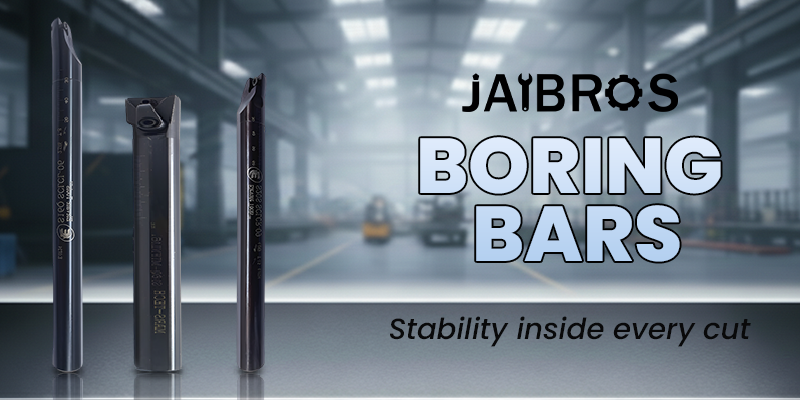
Learn carbide boring bar best practices for CNC machining. Improve internal turning accuracy, surface finish, and tool life with the right CNC tool setup.
Best Practices for Using a Carbide Boring Bar in CNC Machining
Internal machining operations require precision, stability, and the right cutting tools to achieve accurate results. One of the most important tools used for internal turning operations is the carbide boring bar. This tool is widely used in modern machining because it offers excellent rigidity, durability, and performance when machining internal diameters.
CNC operators rely on proper setup techniques and machining practices to achieve smooth surface finishes and accurate dimensions. When used correctly, a carbide boring bar can significantly improve machining efficiency and tool life. In industries such as automotive, aerospace, and heavy engineering, boring operations are critical for producing high-quality components.
Understanding the Role of Boring Tools in CNC Machining
Boring is the process of enlarging or finishing an existing hole to achieve precise dimensions and smooth internal surfaces. In CNC machining, boring operations are performed using specialized tools designed for internal cutting.
A carbide boring bar is designed with high-strength carbide material that offers excellent resistance to heat and wear. This makes it ideal for high-speed machining environments where durability and stability are important.
Modern machining centers use advanced cnc tool systems that allow operators to achieve high levels of accuracy. With proper programming and tool selection, internal turning operations become more efficient and consistent.
Importance of Tool Rigidity in Internal Machining
One of the biggest challenges in internal machining is vibration. Because boring bars extend into the workpiece, they can experience deflection or chatter during cutting.
Using a carbide boring bar helps reduce vibration because carbide material is stronger and more rigid than traditional steel tools. Increased rigidity improves dimensional accuracy and ensures smoother surface finishes.
Operators also prefer solid carbide boring bars in applications where long tool overhang is required. These tools provide better stability and help maintain consistent cutting performance even in demanding machining conditions.
Proper tool rigidity also allows CNC operators to maintain higher cutting speeds and feeds without sacrificing machining quality.
Correct Tool Setup for CNC Operators
Tool setup plays a critical role in achieving the best machining results. When installing a carbide boring bar, operators should ensure the tool is properly aligned with the workpiece centerline.
Incorrect alignment can cause poor cutting performance, excessive tool wear, and inaccurate hole dimensions. The tool holder must be tightened securely to prevent movement during machining.
Another important setup factor is minimizing tool overhang. The longer the tool extends from the holder, the greater the chance of vibration. Keeping the carbide boring bar as short as possible improves rigidity and machining stability.
Proper setup ensures consistent machining performance and reduces the risk of tool damage.
Selecting the Right Boring Bar for the Job
Choosing the correct boring tool depends on several factors, including hole diameter, material type, and machining requirements.
Many machining workshops prefer using a carbide boring bar set because it offers multiple sizes and configurations for different applications. Having a complete set allows operators to select the most suitable tool for each machining task.
In high-precision applications, solid carbide boring bars are often recommended because they offer greater stiffness and improved cutting stability. These tools are particularly useful for deep hole machining, where vibration control is important.
Operators should also consider cutting insert type and coating when selecting a boring tool for specific materials
Cutting Parameters and Machining Efficiency
Cutting parameters such as spindle speed, feed rate, and depth of cut play a major role in boring operations.
Using optimized cutting parameters with a carbide boring bar improves machining efficiency and helps maintain consistent cutting performance. Incorrect parameters may lead to tool wear or poor surface finish.
CNC operators should always follow recommended machining guidelines for the material being processed. This ensures maximum productivity while protecting the cutting tool.
A properly configured cnc tool setup also helps maintain consistent chip evacuation and prevents chip buildup inside the bore.
Managing Tool Wear and Maintenance
Tool wear is inevitable in machining operations, but proper maintenance can extend tool life. CNC operators should regularly inspect cutting inserts and tool holders to ensure they remain in good condition.
Monitoring tool wear is especially important when using a carbide boring bar in high-volume production environments. Replacing inserts at the right time prevents machining defects and maintains product quality.
Workshops often track carbide boring bar price and tool usage to manage machining costs effectively. Proper maintenance and correct cutting parameters help maximize the value of each tool.
Regular cleaning and inspection also ensure consistent machining performance.
Improving Surface Finish in Internal Turning
Surface finish is an important quality factor in precision machining. Achieving smooth internal surfaces requires proper tool setup and stable cutting conditions.
Using a high-quality carbide boring bar helps reduce vibration and improves cutting accuracy. This results in better surface finish and tighter dimensional control.
Operators should also ensure proper coolant usage during machining operations. Coolant reduces heat generation and helps remove chips from the cutting area.
By combining correct setup, proper tool selection, and optimized cutting parameters, CNC operators can consistently achieve high-quality machining results.
Future of Boring Tools in CNC Machining
Advancements in machining technology continue to improve the performance of boring tools. Modern cnc tool systems now include vibration-damping designs and advanced carbide materials that enhance cutting stability.
Manufacturers are also developing improved solid carbide boring bars that provide better performance in high-speed machining environments. These innovations help CNC operators achieve greater efficiency and accuracy in complex machining tasks.
As CNC machining continues to evolve, boring tools will remain essential for producing precision internal components across multiple industries.
Conclusion
In CNC machining, following the right practices is essential for achieving accurate internal machining results. A boring bar helps CNC operators maintain stability, improve surface finish, and achieve precise internal diameters. By using proper tool setup, selecting quality solid carbide boring bars, and optimizing cutting parameters, machinists can improve productivity and extend tool life. Choosing the right cnc tool and maintaining it properly also ensures consistent machining performance in modern manufacturing operations.
Frequently Asked Questions
1. What is a carbide boring bar used for?
A carbide boring bar is used for enlarging and finishing internal holes in machining operations. It helps achieve precise internal diameters and smooth surface finishes.
2. Why are solid carbide boring bars preferred in CNC machining?
Solid carbide boring bars offer higher rigidity and better vibration resistance compared to steel tools, making them ideal for precision internal machining.
3. How do CNC operators reduce vibration during boring operations?
Operators reduce vibration by minimizing tool overhang, selecting the correct cutting parameters, and using rigid tools such as carbide boring bars.
4. What factors affect carbide boring bar price?
Carbide boring bar price depends on factors such as tool size, carbide quality, brand, and insert compatibility.
5. Is a carbide boring bar set useful for machining workshops?
Yes, a carbide boring bar set provides multiple tool sizes, allowing operators to handle different hole diameters and machining applications efficiently.
Categorias
Leia mais
Path of Exile 2 offers players an incredibly deep item system where every piece of equipment can influence the direction of a character build. From powerful weapons to specialized defensive gear, choosing the right items is essential for surviving difficult encounters. Among the many unique items available, Path of Exile 2 Seraph’s Heart stands out as an interesting option for...

Air quality monitoring systems play a critical role in measuring airborne pollutants and ensuring environmental safety across urban, industrial, and commercial environments. Among these technologies, particulate matter monitoring solutions are widely used to detect and analyze fine particles that can impact public health and environmental quality. Governments, regulatory agencies, industries,...

Market Overview Polaris Market Research’s latest research report, titled Call Center AI Market, offers a comprehensive and data-driven analysis of the market landscape. Designed for decision-makers, strategists, and industry participants, this in-depth study offers critical insights into current trends, market dynamics, competitive strategies, and growth projections. In a market...

Starting a business is an exciting step, but the registration process can feel complicated when you are doing it for the first time. One of the most important decisions for entrepreneurs is choosing the right business structure. A private limited company is a popular option because it provides a separate legal identity, limited liability, and a structured framework for business growth. Before...

Living in a coastal town like Barwon Heads offers beautiful views and a relaxed lifestyle, but it also comes with unique home maintenance challenges. One of the most commonly overlooked yet essential tasks is gutter cleaning. Regular Gutter Cleaning Barwon Heads services help protect your property from water damage, structural issues, and costly repairs. Whether you own a family home or an...