Global OTC Artificial Tears Market to Hit $6.66 Billion by 2034 Driven by Screen Use
The global over-the-counter (OTC) artificial tears market is witnessing steady expansion as eye health concerns surge worldwide. According to Renub Research, the market is expected to grow from US$ 4.32 billion in 2025 to US$ 6.66 billion by 2034, registering a CAGR of 4.92% from 2026 to 2034.
This growth reflects a broader transformation in lifestyle patterns, particularly the increasing dependence on digital devices, aging demographics, and rising awareness around preventive healthcare. As dry eye syndrome becomes more prevalent across age groups, OTC artificial tears are emerging as a go-to solution for quick and effective relief.
Download Free Sample Report:https://www.renub.com/request-sample-page.php?gturl=otc-artificial-tears-market-p.php
Market Overview: A Simple Solution to a Growing Global Problem
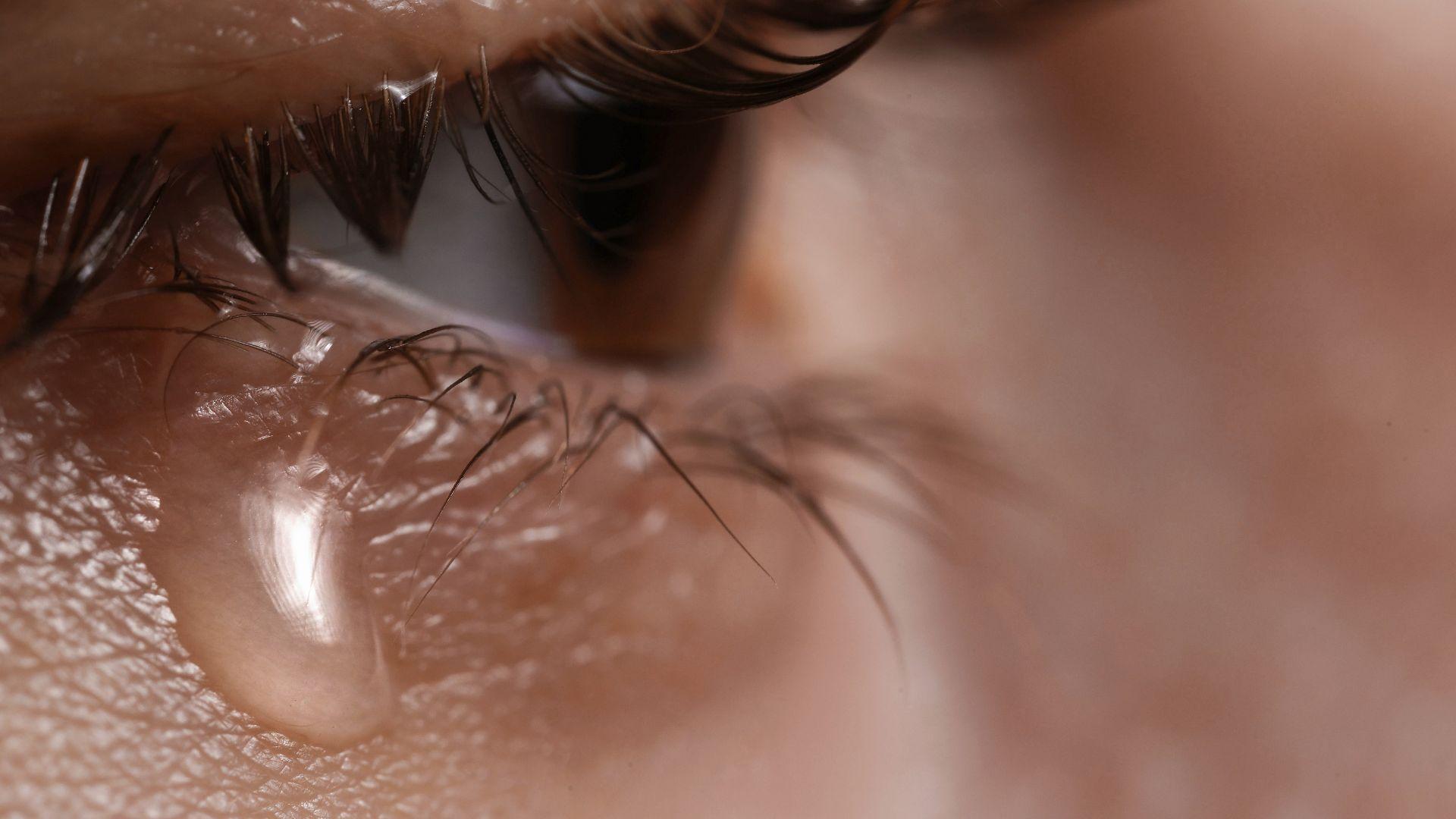
OTC artificial tears are lubricating eye drops designed to relieve dryness, irritation, burning, and discomfort caused by insufficient tear production or poor tear quality. These products mimic natural tears by moisturizing the eye surface and protecting it from environmental stressors such as pollution, dust, and prolonged screen exposure.
Common ingredients like carboxymethylcellulose, glycerin, and hyaluronic acid help retain moisture and stabilize the tear film. Over time, advancements in formulation—particularly preservative-free options—have significantly improved user comfort and safety.
The increasing prevalence of dry eye symptoms, especially among digital device users and older adults, has made artificial tears one of the most widely used eye care products globally.
Key Growth Drivers Powering Market Expansion
Rising Prevalence of Dry Eye Syndrome
Dry eye syndrome has become a major global health concern. Millions of individuals experience symptoms such as irritation, redness, blurred vision, and discomfort due to inadequate tear production or excessive tear evaporation.
Aging plays a crucial role in this condition. As people grow older, tear production naturally declines, increasing the risk of chronic dryness. Additionally, underlying health conditions like diabetes and hormonal imbalances can further exacerbate symptoms.
OTC artificial tears provide an accessible, cost-effective solution, allowing individuals to manage symptoms without the need for prescriptions. The growing emphasis on self-care and preventive healthcare is further boosting demand.
Surge in Screen Time and Digital Eye Strain
One of the most significant drivers of the market is the rapid increase in screen time. Smartphones, laptops, tablets, and televisions have become integral to daily life, leading to a sharp rise in digital eye strain.
Extended screen use reduces blinking frequency, which is essential for maintaining eye moisture. As a result, individuals experience dryness, fatigue, and irritation.
With remote work, online learning, and digital entertainment becoming mainstream, people across all age groups—including children—are increasingly affected. OTC artificial tears offer immediate relief, making them a preferred solution for managing digital eye strain.
Expanding Retail and E-commerce Accessibility
The widespread availability of OTC artificial tears through pharmacies, supermarkets, and online platforms has significantly contributed to market growth. Consumers can easily purchase these products without prescriptions, making them highly convenient.
E-commerce platforms, in particular, have transformed the buying experience. Customers can compare products, read reviews, and benefit from subscription models and discounts. This ease of access encourages repeat purchases and brand loyalty.
Pharmaceutical companies are also expanding their distribution networks, ensuring product availability across both developed and developing regions.
Emerging Trends Reshaping the Market
Shift Toward Preservative-Free Formulations
Consumers are increasingly opting for preservative-free artificial tears, especially those with sensitive eyes. These formulations reduce the risk of irritation and are suitable for long-term use.
Manufacturers are investing heavily in research and development to create advanced lubrication technologies that offer longer-lasting relief and enhanced comfort.
Growth of Premium and Specialized Products
The market is witnessing a rise in premium products designed for specific conditions such as severe dryness, contact lens discomfort, and nighttime use. Ointments and gels, for instance, provide thicker and longer-lasting lubrication.
These specialized products cater to evolving consumer needs and are gaining traction among patients seeking more effective solutions.
Market Challenges: Barriers to Sustained Growth
Intense Competition and Product Differentiation
The OTC artificial tears market is highly competitive, with numerous global and local players offering similar products. Most formulations contain comparable active ingredients, making differentiation a challenge.
This intense competition often leads to pricing pressure, particularly in price-sensitive markets. Companies must invest heavily in branding, innovation, and marketing to stand out.
Safety Concerns and Risk of Product Recalls
As products that come into direct contact with the eyes, artificial tears must meet stringent safety and quality standards. Any contamination during manufacturing or packaging can lead to serious health risks.
Product recalls not only result in financial losses but also damage brand reputation and consumer trust. Regulatory compliance adds another layer of complexity and cost for manufacturers.
Segment Analysis: Understanding Market Dynamics
Ointments Gaining Ground for Severe Cases
Ointment-based artificial tears are gaining popularity among patients with severe dry eye conditions. These products provide long-lasting relief by forming a protective barrier on the eye surface.
Although they may cause temporary blurred vision, their effectiveness—especially during nighttime use—makes them a valuable option for chronic sufferers.
Expanding Applications Beyond Dry Eye Syndrome
While dry eye syndrome remains the primary application, artificial tears are increasingly used for other purposes, including:
- Allergy relief
- Protection against UV and blue light exposure
- Contact lens moisture retention
The growing awareness of eye health is encouraging consumers to adopt preventive measures, further expanding the scope of the market.
Retail Pharmacies Leading Distribution
Retail pharmacies continue to dominate as the primary distribution channel. Their accessibility, combined with professional guidance from pharmacists, makes them a trusted source for consumers.
Online pharmacies are also gaining momentum, offering convenience and competitive pricing.
Regional Insights: Key Markets Driving Growth
United States
The United States leads the market due to high awareness levels, advanced healthcare infrastructure, and widespread digital device usage. The demand for premium and preservative-free products is particularly strong.
United Kingdom
The UK market is growing steadily, driven by increasing screen time and an aging population. The availability of products through multiple channels supports market expansion.
India
India is emerging as a high-growth market due to rapid urbanization, rising digital adoption, and increasing awareness of eye health. Environmental factors such as pollution also contribute to the prevalence of dry eye symptoms.
Saudi Arabia
In Saudi Arabia, harsh climatic conditions, including heat and dust, are key contributors to eye irritation. Combined with growing digital usage, these factors are driving demand for artificial tears.
Competitive Landscape: Key Players and Innovation
The OTC artificial tears market features a mix of global pharmaceutical giants and regional players. Leading companies are focusing on innovation, product differentiation, and strategic partnerships to strengthen their market position.
Key players include AbbVie Inc., Alcon, Johnson & Johnson, Novartis AG, Bausch Health Companies Inc., and Sun Pharmaceutical Industries Ltd. These companies are actively investing in advanced formulations and expanding their global reach.
Future Outlook: Sustained Growth with Innovation at the Core
The OTC artificial tears market is poised for steady growth over the next decade. The increasing prevalence of dry eye syndrome, combined with lifestyle changes and technological advancements, will continue to drive demand.
Innovation will remain a key focus area, with companies developing more effective, safer, and user-friendly products. The shift toward preservative-free and specialized formulations is expected to gain further momentum.
Additionally, the integration of digital health awareness campaigns and improved access to healthcare products will support long-term market expansion.
Final Thoughts
The OTC artificial tears market represents a vital segment of the global healthcare industry, addressing a growing and widespread concern. With a projected value of US$ 6.66 billion by 2034, the market reflects the increasing importance of eye health in a digital-first world.
While challenges such as competition and safety concerns persist, ongoing innovation and expanding accessibility are expected to drive sustained growth. As consumers become more proactive about their health, OTC artificial tears will continue to play a crucial role in enhancing quality of life and visual comfort worldwide.