


The Carbon-Neutral Harvest: Designing a Resilient Energy Future with HVO
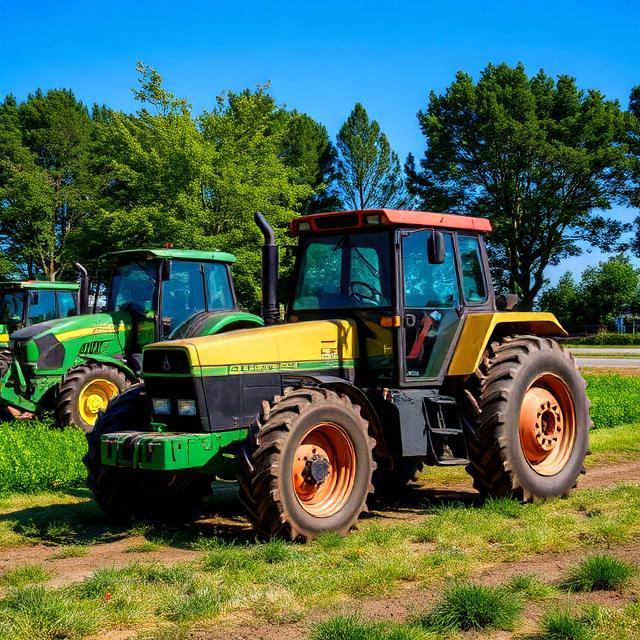
The landscape of the British countryside at the end of March 2026 is not only about producing food and goods but now has become a place where "energy architecture" is being tested. The ability for rural businesses to run successfully is being redefined because of the instability of worldwide fossil-fuel markets. A new, more diversified and reliable way to provide energy instead of relying on only fossil fuels will redefine what it means to operate in the British countryside. At the heart of this transformation is HVO fuel (Hydrotreated Vegetable Oil)—a silent revolution that is currently serving as the "Green Bridge" between the high-torque legacy of the internal combustion engine and the zero-emission mandates of the future. For the modern producer, the farm fuel supplier is no longer a mere commodity distributor but a strategic consultant. This allows agricultural businesses to meet the sustainability targets of supply chain partners without the crippling cost of replacing a fleet of tractors.
Technical Superiority in the Field
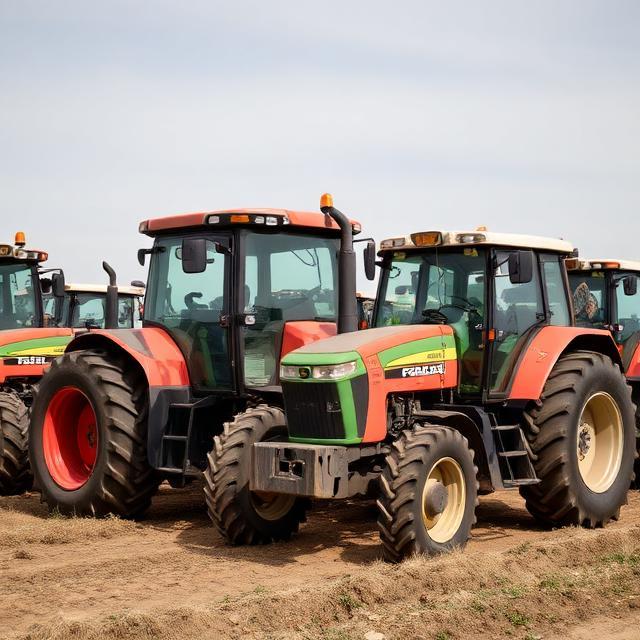
Beyond its green credentials, HVO offers functional advantages that fossil fuels cannot match. With a Cold Filter Plugging Point (CFPP) as low as -22°C to -27°C, HVO remains fluid during the unpredictable spring cold snaps of the British Isles. Furthermore, because it is FAME-free, it has an extraordinary shelf life of up to 10 years, making it the ideal choice for seasonal machinery and emergency backup tanks that may sit dormant for months.
The Reality of Diesel Rationing
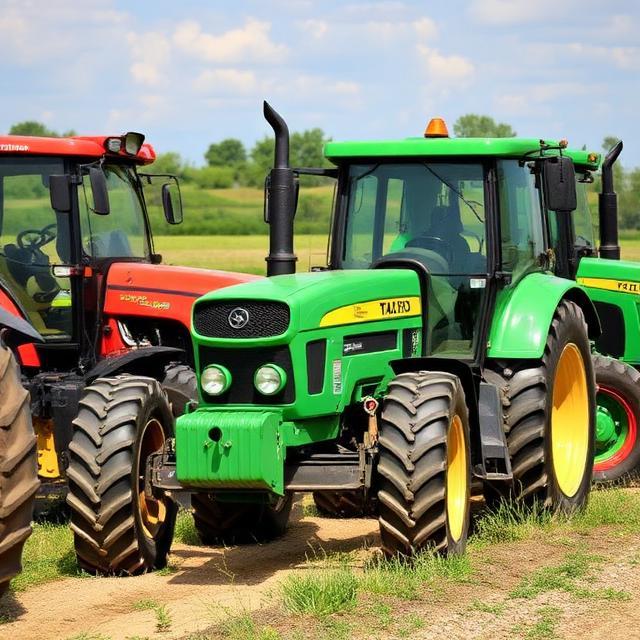
As of this week, some wholesalers have begun implementing diesel rationing. In parts of Essex and Scotland, deliveries of red diesel are being capped at as little as 500 litres per order to ensure equitable distribution across the farming community. For large-scale operations that consume thousands of litres daily during the spring drilling season, this is a logistical crisis. The price of red diesel delivery has followed the crude oil peak, reaching averages of 135.98p per litre (excl. VAT) this week. Forward-thinking estates are countering this by adopting "defensive procurement" strategies. By utilizing radar-based tank telemetry, managers can track their "days-of-fuel-remaining" in real-time.
Thermal Engineering: Decoupling Power from Heat
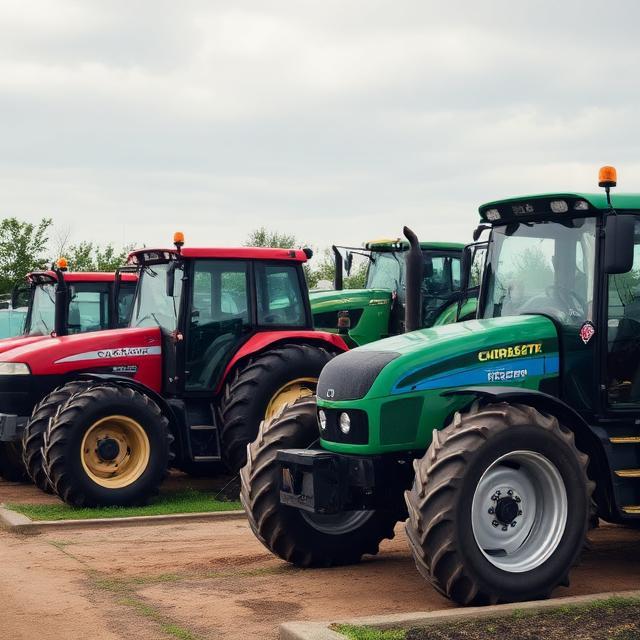
A defining trend of 2026 is the strategic decoupling of machinery fuel from stationary thermal energy. For the intensive heat requirements of grain drying, greenhouse climate control, and livestock brooding, industrial oil suppliers are now providing specialized heating blends that offer a significant engineering advantage over multi-purpose fuels.
Industrial heating oil (IHO) is specifically intended for use in Class D thermal applications. In this high-cost environment, where kerosene prices hit an average of 142.76p per litre (inc. VAT) on March 19, 2026, the logistical synergy between the farm and the home is vital. Furthermore, HVO is now making inroads into the domestic market; converting a standard kerosene boiler to run on HVO costs approximately £500, offering a pragmatic, low-carbon heating solution for older, "hard-to-heat" rural properties where electric heat pumps are technically unfeasible.
Strategic Fortification: Securing the Liquid "Vault"
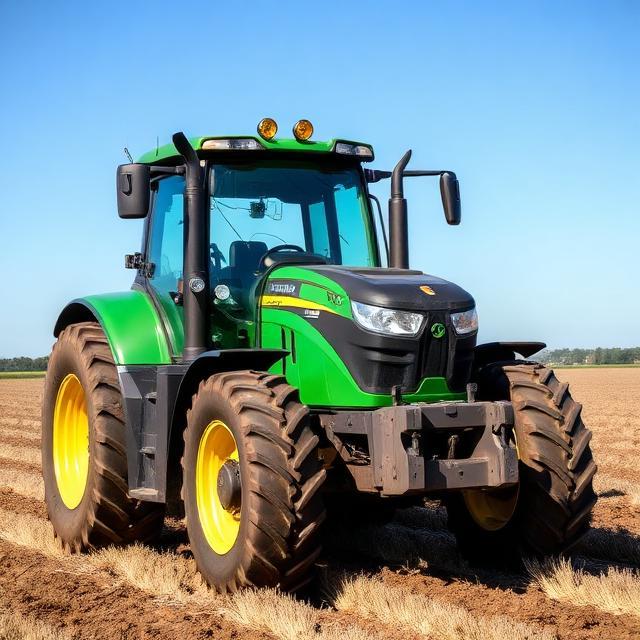
With the value of a single 10,000-litre UK farming fuel delivery now rivaling the price of a mid-sized vehicle, fuel storage must be treated as a vault. Industry reports have shown a sharp rise in rural fuel theft as prices surged this month. Designing a resilient energy architecture now requires a "fortress mentality":
- Telemetry Alarms: Radar sensors can be programmed to send an immediate alert to a smartphone if an unusual drop in fuel level is detected at night.
- Physical Armor: Modern tanks are being installed as double-skinned, bunded units, often enclosed in thorn-hedged or fenced areas with motion-activated lighting.
- Forensic Marking: The use of fuel dyes and forensic markers is becoming standard, making stolen fuel easier to trace and significantly harder for criminals to sell.
To support this shift toward efficiency, the government’s Farming Equipment and Technology Fund (FETF) 2026 officially opened for applications on March 17, 2026. With £50 million currently available, the fund provides a vital financial lever for producers to invest in the technology required to optimize their energy usage. The fund is split across three key themes, with up to £25,000 available per theme:
Κατηγορίες
Διαβάζω περισσότερα
Google's Pixel VPN now features improved Quick Settings functionality, allowing users to monitor their connection status with a simple glance. This enhancement eliminates the need to open the full application interface, streamlining the experience for daily security needs. The update focuses on practical usability rather than adding new security features. Pixel owners can instantly verify if...

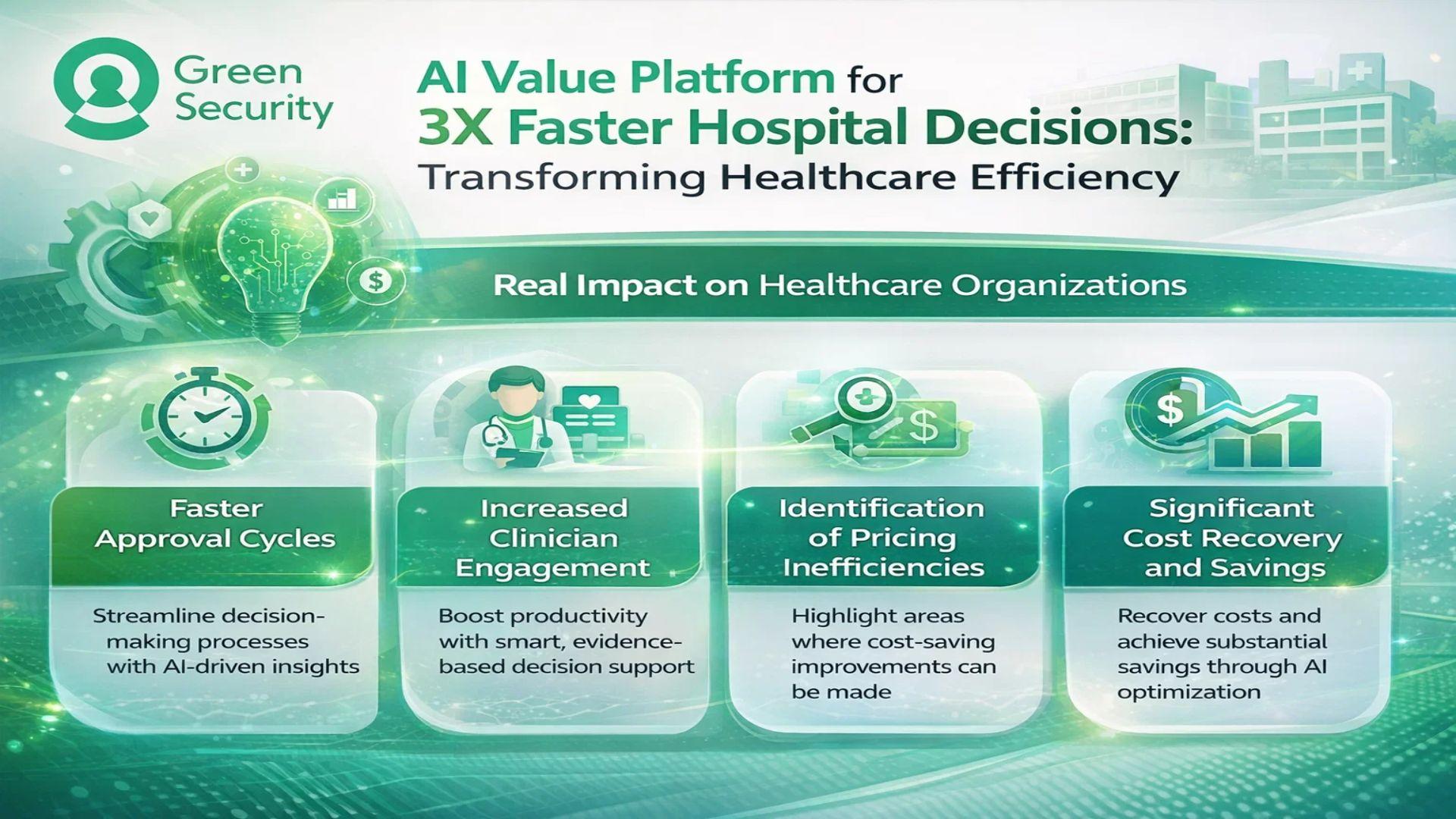
Healthcare organizations are constantly balancing three critical priorities—cost control, patient outcomes, and regulatory compliance. Yet, traditional value analysis processes often slow everything down due to manual workflows, disconnected systems, and lack of real-time data. To address these challenges, GoGreen Security has introduced an advanced Value Platform for 3X Faster hospital...
Keysight GTI Award 2026 recognition highlights the company’s progress in integrating artificial intelligence with next-generation wireless technologies. Keysight Technologies announced that it has received the 2026 GTI Innovative Technology Breakthrough Award, recognizing its contributions to advancing AI-driven capabilities within 5G-Advanced networks. The award was presented during the...

Greater Noida has rapidly emerged as one of the most well-planned and fast-growing cities in the NCR region. With increasing residential projects, commercial complexes, and luxury villas, the demand for professional architectural services has grown significantly. Hiring the Best Architects in Greater Noida ensures that every project is designed with creativity, efficiency, and structural...

Steve Hoffmeister will be an U . s citizens non secular mentor, novelist, and even stylish mystic best-known designed for his particular theories at non-duality and even non secular awareness. He can be more popular designed for writing that practical application belonging to the non secular words Training o david hoffmeisterwikipedia n Changes. Hoffmeister’s get the job done makes a...
