


What Makes Patio Surfaces Last Longer In Real Homes Today
The Patio Problem Most Homeowners Eventually Run Into
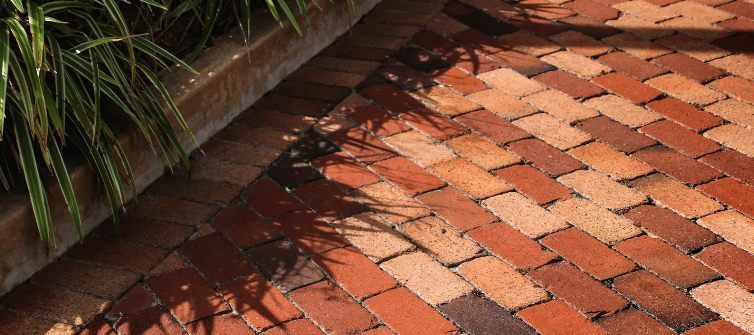
Patios look easy on paper. Throw down some stone, maybe concrete, call it done. Then two winters pass. Or one heavy rainy season. Suddenly things shift, edges crack, weeds start pushing through like they own the place. That’s usually when people start looking into brick pavers for patios. Not because it’s trendy. Because they’re tired of fixing the same patio every couple of years. Brick has been around forever for a reason. It’s simple, tough, and if something does move or settle, you can actually fix it without ripping out the entire surface. That matters more than people realize at the start.
Why Brick Just Works For Patios
There’s something practical about brick that other materials try to imitate but rarely match. Individual units. Flexible installation. And honestly, they age well. A poured slab looks perfect… until the first crack. Brick pavers for patios behave differently. The ground shifts a little, the bricks adjust with it. No giant fracture running across the middle like a lightning bolt. Also, the texture helps. Bricks naturally give a bit more grip underfoot, which is nice around outdoor kitchens, pools, or just after rain. It’s not flashy. It’s just dependable. And homeowners usually end up appreciating that more over time.
Installation Matters More Than People Expect
Here’s the thing people underestimate: the base. A patio is only as good as what sits underneath it. With brick pavers for patios, installers usually build a compacted gravel foundation and a bedding layer of sand. That layered base lets water drain instead of pooling under the surface. Which is huge. Freeze-thaw cycles wreck solid slabs because water gets trapped and expands. Bricks? Water drains away. The patio stays stable. If someone skips this step, though… yeah, problems show up fast. Uneven surfaces. Sinking corners. It’s not the brick’s fault. It’s bad groundwork.
Maintenance Is Actually Pretty Simple
No outdoor surface is truly maintenance-free. Anyone who tells you that is selling something. But brick patios come close. If a paver chips or stains badly, you pull it out and replace one piece. That’s it. Try doing that with stamped concrete. Most homeowners just sweep occasionally and maybe re-sand the joints every few years. Some seal the bricks to deepen the color, others leave them natural so they weather a bit. Either approach works. The point is, you’re not committing to some high-maintenance surface that constantly needs repairs.
Thinking Beyond The Patio: Driveways Matter Too
Once homeowners see how durable brick or stone surfaces can be, the conversation usually shifts to driveways. That’s where the question pops up: what’s actually the best material for a driveway? The answer depends a lot on climate, traffic, and budget. But the same principle holds true. Materials that flex slightly and drain well tend to last longer. Rigid surfaces often fail when the ground inevitably moves underneath them. That’s why pavers, gravel systems, and certain permeable designs keep showing up in long-lasting driveways.
Comparing Driveway Materials Honestly
Concrete is common because it’s cheap upfront. Asphalt too. Both work fine… for a while. But if you’re chasing the best material for a driveway long term, the conversation changes. Pavers handle heavy loads surprisingly well because the weight distributes across many units instead of one slab. They also allow easy repair. A cracked concrete driveway means a big ugly patch or full replacement. With pavers, you fix the affected area and move on. Stone systems and reinforced permeable pavers also improve drainage, which reduces erosion and water pooling near garages.
Design Flexibility Homeowners Don’t Expect
Another quiet advantage of brick pavers for patios is design flexibility. Patterns change the entire look. Running bond, herringbone, basket weave—each one gives a different vibe without switching materials. Colors vary too. Some bricks lean warm and rustic, others feel darker and modern. That flexibility carries over to driveways as well. The best material for a driveway isn’t just about durability. It should also fit the house visually. A well-designed paver driveway or patio ends up feeling intentional, not like an afterthought poured during construction.
Conclusion: Durable Outdoor Surfaces Start With Smarter Material Choices
Outdoor surfaces take a beating. Weather, foot traffic, cars, shifting soil—it’s a lot. Choosing materials that handle movement and drain properly makes a massive difference over time. That’s why brick pavers for patios continue showing up in well-built outdoor spaces. They’re practical, repairable, and they age with character instead of falling apart. And when homeowners start asking about the best material for a driveway, the same logic applies. Think flexibility. Think drainage. Think long-term durability, not just the cheapest option today.
الأقسام
إقرأ المزيد
Le casino en ligne france se différencie par sa capacité à créer des environnements immersifs. Les jeux intègrent des graphismes haute définition, des effets sonores réalistes et des animations interactives qui reproduisent l’ambiance des casinos physiques. Grâce à ces innovations, le casino en ligne France permet aux...

According to a new report by UnivDatos, The Middle East & Africa Automotive Composites Market is expected to reach USD million in 2033 by growing at a CAGR of 5.50% during the forecast period (2025-2033F). Increasing Automotive Composites is also affecting the manufacturing and procurement policies of vehicles in the Middle East and Africa. OEMs are using the new composite...

A properly functioning garage door opener is something many homeowners rely on every day without giving it much thought. From leaving for work in the morning to returning home safely at night, a dependable garage door opener plays an essential role in convenience, security, and peace of mind. When that system suddenly stops working, it can disrupt an entire day's schedule and even compromise...
Navigating Sourcing via Medicine Suppliers UK UK healthcare institutions continuously seek dependable medicine suppliers uk to ensure consistent stock flow. Navigating the MHRA framework requires precise compliance, verified batch tracking, and full documentation to maintain supply chain safety across hospitals and clinics. Role of Medicine Suppliers UK in Global Sourcing Procuring vital...

In the fast-paced world of forex and commodities trading, gold remains one of the most attractive and reliable assets for traders worldwide. Known for its stability during economic uncertainty and its strong price movements, gold trading—especially the XAU/USD pair—offers tremendous opportunities for those who understand how to navigate the market effectively....