Complete Beginner’s Guide to Carbide Boring Bars in CNC
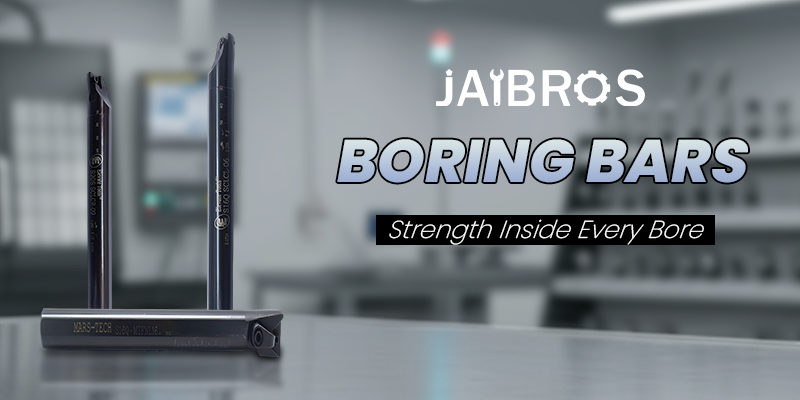
Complete Beginner’s Guide to Carbide Boring Bars in CNC Machining
In modern manufacturing, precision machining plays a critical role in producing high-quality parts. One of the most important tools used for internal machining is the carbide boring bar. This tool helps machinists enlarge and finish holes with excellent accuracy, making it essential in industries such as automotive, aerospace, mold making, and general engineering.
For beginners entering the world of CNC machining, understanding how a carbide boring bar works and why it is widely used can significantly improve machining performance and productivity. From choosing the right tool to understanding its applications, learning the basics will help operators achieve better results while reducing tool wear and vibration.
What is a Carbide Boring Bar?
A carbide boring bar is a cutting tool used to enlarge or finish an existing hole in a workpiece. It is mounted inside a CNC lathe or machining center and uses a cutting insert to remove material from the inner surface of the hole.
Unlike standard tools, carbide-based bars are known for their high hardness, wear resistance, and ability to maintain cutting performance even at high speeds. This makes them ideal for demanding machining environments where accuracy and durability are required.
These tools are commonly used as a cnc tool in operations such as internal turning, precision hole finishing, and deep hole machining. By maintaining stability during cutting, they help ensure consistent surface finish and dimensional accuracy.
Why Carbide Is Preferred for Boring Bars
Carbide is one of the most commonly used materials in modern machining tools due to its superior mechanical properties. Compared with traditional steel tools, carbide tools offer significant advantages.
1. Higher Cutting Speeds
Carbide materials allow tools to operate at higher speeds without losing performance. This increases productivity and reduces machining time.
2. Excellent Wear Resistance
Carbide tools maintain their cutting edge longer than standard tools, which means fewer tool changes and lower maintenance costs.
3. Improved Rigidity
Carbide has excellent stiffness, helping reduce vibration and chatter during internal machining.
4. Longer Tool Life
Because of its durability, carbide tools often last longer than conventional tools, making them cost-effective for high-volume production.
These advantages are the reason why many machinists prefer solid carbide boring bars when working with precision components.
Types of Boring Bars Used in CNC Machining
Understanding the different types of boring bars helps beginners choose the right tool for their machining requirements.
Solid Carbide Boring Bars
Solid carbide boring bars are made entirely from carbide material. They offer exceptional rigidity and are commonly used for small-diameter holes where vibration can be a problem.
Carbide Insert Boring Bars
These tools use replaceable carbide inserts mounted on a steel or alloy body. They are versatile and suitable for general machining operations.
Anti-Vibration Boring Bars
Designed for deep-hole machining, these bars contain vibration-dampening technology that improves stability during cutting.
Each type serves a specific purpose depending on the machining conditions, hole diameter, and required precision.
Applications of Carbide Boring Bars
Boring bars are widely used in different industries where internal machining accuracy is critical. Some common applications include:
Automotive Manufacturing
Engine blocks, gear housings, and transmission components require precise internal diameters.
Aerospace Components
Aircraft parts demand extremely tight tolerances and smooth internal finishes.
Mold and Die Industry
Mold cavities often require accurate hole finishing for proper alignment and functionality.
General Engineering
Machine parts such as bushings, sleeves, and precision fittings rely on accurate internal machining.
Because of their reliability, the carbide boring bar has become a standard solution for these applications.
How to Choose the Right Carbide Boring Bar
Selecting the right boring bar is essential for achieving the best machining results. Beginners should consider the following factors:
Hole Diameter
The diameter of the hole determines the size of the tool required for machining.
Tool Length
Longer tools may cause vibration, so it is important to choose the shortest possible tool that can reach the required depth.
Insert Compatibility
Ensure the boring bar supports the appropriate insert type for the material being machined.
Rigidity and Stability
High rigidity improves cutting performance and surface finish.
Machine Compatibility
The tool must fit properly within the CNC machine holder.
Many machinists prefer buying a carbide boring bar set because it includes multiple tool sizes suitable for different machining needs.
Benefits of Using Carbide Boring Bars
Using carbide-based tools provides several advantages for CNC machining operations.
Improved Precision
Carbide tools maintain dimensional accuracy during machining, which is essential for precision parts.
Better Surface Finish
Stable cutting performance produces smoother internal surfaces.
Reduced Tool Changes
Longer tool life minimizes downtime caused by frequent tool replacement.
Higher Productivity
Faster cutting speeds allow manufacturers to complete jobs more quickly.
These benefits explain why many machining professionals rely on the carbide boring bar for demanding internal machining tasks.
Understanding Carbide Boring Bar Price Factors
When purchasing machining tools, cost is always an important consideration. The carbide boring bar price can vary depending on several factors.
Material Quality
High-grade carbide tools typically cost more but provide better durability and performance.
Tool Size
Larger or specialized tools often have higher prices due to increased material and manufacturing complexity.
Brand and Manufacturer
Established tool manufacturers usually charge higher prices because of their reputation for quality and reliability.
Tool Design
Advanced features such as anti-vibration technology can increase the price but also improve machining performance.
While the initial cost may be higher, investing in a quality carbide boring bar often reduces long-term machining expenses due to longer tool life.
Tips for Beginners Using Boring Bars
For operators new to CNC machining, following a few basic guidelines can improve tool performance and extend tool life.
Maintain Proper Tool Setup
Correct alignment and tool positioning are essential for accurate machining.
Use Proper Cutting Parameters
Always follow recommended cutting speeds and feeds based on the material being machined.
Minimize Tool Overhang
Excessive overhang can cause vibration and poor surface finish.
Use Quality Inserts
High-quality carbide inserts improve cutting efficiency and tool life.
Monitor Tool Wear
Regular inspection helps prevent unexpected tool failure during machining.
Following these practices ensures better performance and consistent machining results.
Future Trends in Boring Bar Technology
The machining industry continues to evolve with new technologies designed to improve productivity and precision. Advanced coatings, vibration control systems, and optimized tool geometries are making boring bars more efficient than ever.
Manufacturers are also developing smarter cnc tool solutions that integrate with digital machining systems, allowing operators to monitor tool performance in real time.
As CNC machining technology advances, boring tools will continue to play an essential role in achieving high-precision internal machining.
Conclusion
Boring bars are fundamental tools in modern CNC tool machining, enabling machinists to produce accurate internal diameters with excellent surface finish. For beginners, understanding how these tools work and how to select the right one is an important step toward mastering machining operations.
With their superior strength, rigidity, and wear resistance, carbide tools provide reliable performance in demanding machining environments. Whether used for automotive parts, aerospace components, or precision engineering, the carbide boring bar remains a valuable tool for achieving consistent machining results.
By selecting the right tool, following proper machining practices, and investing in high-quality tools, CNC operators can improve efficiency, reduce downtime, and produce high-quality components.
FAQs
1. What is a carbide boring bar used for?
It is used to enlarge and finish internal holes in a workpiece with high precision during CNC machining operations.
2. What is the advantage of solid carbide boring bars?
They provide excellent rigidity, reduce vibration, and improve machining accuracy, especially in small-diameter holes.
3. How do I choose the right boring bar size?
The tool size should match the hole diameter and machining depth while maintaining minimal overhang for better stability.
4. Why are carbide tools preferred in CNC machining?
Carbide tools offer higher cutting speeds, longer tool life, and better resistance to wear compared with traditional tools.
5. What factors affect carbide boring bar price?
Material quality, tool size, brand reputation, and advanced design features all influence the cost of these tools.
Categorii
Citeste mai mult
Part of the attraction of the vintage gold jewelry community on Instagram is obviously bottegasvenetasbag.com the personal nature of it. often shares about issues that are important to her, like addiction, mental health suicide prevention treatments. And one of favorite parts of being a social media seller is the entertaining have feed of real time feedback. Even now, she sees singing as a fun...

How a UK Local Business Directory Can Be Your #1 Referral Source Finding a consistent stream of new clients is often the most significant hurdle for independent firms operating in the British market. Understanding how a UK local business directory can be your #1 referral source requires looking beyond basic contact details and focusing on digital authority. As we move deeper into this...

The Pilot Scale Mixer Market plays an important role in research, development, and small-batch production across industries such as pharmaceuticals, chemicals, food processing, and materials science. Pilot scale mixers are designed to replicate large-scale mixing processes in a controlled environment, allowing manufacturers to test formulations and optimize production parameters before...

Choosing the right flooring is one of the most important investments you can make for your home or business. Flooring impacts comfort, aesthetics, durability, and property value. Whether you're renovating a single room or upgrading an entire property, selecting high-quality materials and professional installation makes all the difference. ABC CARPET FLOORING is committed to helping homeowners...

I am elegant out there but naughty behind closed doors, and I am always prepared to make your evening something memorable. From playful banter to sexual chemistry, I have just what it takes to keep you engaged from the very first time we start talking up until our last kiss. If you are in search of someone beautiful, confident, and who will give you a lavish experience mixed with a bit of...