What are the bad side effects of Ozempic?
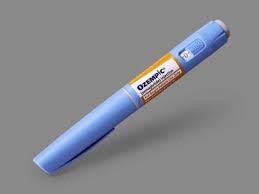
Managing diabetes and weight loss can be challenging, and medications like Ozempic have become increasingly popular. But with its growing usage, concerns about potential side effects have sparked many questions. Many people in Pakistan, particularly those searching for Ozempic in Islamabad , want to know what’s real and what’s just a rumor.
Is it true that Ozempic causes severe nausea in everyone?
What’s the real fact?
Many users report nausea when starting Ozempic, but it doesn’t affect everyone. Nausea is typically mild to moderate and often improves after a few weeks as the body adjusts. Taking the medication with food or adjusting the timing can help manage this side effect. Severe nausea is rare, and if it persists, it’s important to consult a healthcare provider.
Is it true that Ozempic can cause pancreatitis?
What’s the real fact?
There have been reports linking Ozempic to pancreatitis (inflammation of the pancreas). However, this side effect is uncommon. Patients with a history of pancreatitis or those at high risk should inform their doctor before starting Ozempic. Early symptoms like persistent abdominal pain, vomiting, or nausea warrant immediate medical attention.
Is it true that Ozempic leads to thyroid cancer?
What’s the real fact?
Animal studies suggested a possible risk of thyroid tumors, but current human data is limited. No direct link has been confirmed between Ozempic and thyroid cancer in humans. Still, people with a personal or family history of medullary thyroid carcinoma or Multiple Endocrine Neoplasia syndrome type 2 are usually advised against using this medication. Routine thyroid monitoring may be recommended.
Is it true that Ozempic causes kidney problems?
What’s the real fact?
Ozempic can affect kidney function in rare cases, especially in people who experience severe nausea, vomiting, or dehydration. Maintaining hydration and promptly addressing gastrointestinal side effects significantly reduces the risk. Regular kidney function tests may be recommended for long-term users with preexisting kidney issues.
Myth vs. Fact Table: Understanding Ozempic Side Effects
| Myth | Fact |
|---|---|
| Ozempic will make everyone feel extremely nauseous. | Mild nausea occurs in some patients, usually resolving after a few weeks. |
| Ozempic causes pancreatitis in all users. | Pancreatitis is rare; those at risk should consult a doctor. |
| Taking Ozempic guarantees thyroid cancer. | No confirmed link in humans; high-risk individuals should avoid it. |
| Ozempic damages kidneys permanently. | Kidney issues are rare and often related to dehydration, not direct kidney damage. |
| You can take Ozempic without any lifestyle changes. | Diet, exercise, and regular checkups remain essential for safety and effectiveness. |
| Ozempic leads to immediate severe weight loss. | Weight loss is gradual and varies between individuals. |
| You cannot take other medications while on Ozempic. | Most medications are safe, but consult your doctor for interactions. |
| Ozempic is addictive. | Ozempic is not addictive; side effects may cause discontinuation in some cases. |
Reviews: What Users Are Saying About Ozempic
User experiences provide valuable insight beyond clinical studies. Here’s what some patients report:
“I was worried about nausea, but after two weeks, it was manageable. My blood sugar levels improved significantly.”
“I experienced mild vomiting initially, but my doctor guided me, and now my weight is gradually decreasing without major side effects.”
“I monitor my thyroid and kidney functions regularly. Ozempic has been effective, and I haven’t faced serious issues.”
I was concerned about long-term effects, but my physician explained the risks, and I feel well-informed and safer using it.”
These reviews suggest that while side effects exist, proper monitoring and medical guidance significantly reduce risks.
Is it true that Ozempic interacts with all other medications?
What’s the real fact?
Ozempic can interact with certain medications, especially other drugs affecting blood sugar. Patients taking insulin or sulfonylureas may need dose adjustments to prevent hypoglycemia. Always consult your healthcare provider before combining medications to ensure safety.
Is it true that Ozempic causes hair loss?
What’s the real fact?
Hair loss is not a commonly reported side effect of Ozempic. Some users may experience hair shedding due to stress, sudden weight loss, or nutritional changes, but it is not directly caused by the medication.
Is it true that Ozempic must be injected daily?
What’s the real fact?
Ozempic is usually administered once weekly, which makes it convenient for patients. Daily injections are not required, and following the prescribed schedule is crucial for effectiveness.
Is it true that everyone loses the same amount of weight on Ozempic?
What’s the real fact?
Weight loss varies depending on individual factors such as metabolism, diet, exercise, and overall health. Some patients see significant changes, while others may experience gradual or moderate results. Consistency and lifestyle modifications remain key.
Is it true that Ozempic can cause severe gastrointestinal issues?
What’s the real fact?
Some users report diarrhea, constipation, or stomach discomfort, particularly in the early weeks of treatment. These symptoms usually improve with time, dietary adjustments, and adequate hydration. Severe or persistent gastrointestinal problems should be discussed with a healthcare professional.
Is it true that Ozempic is unsafe for long-term use?
What’s the real fact?
Long-term studies are ongoing, but current data suggests Ozempic is generally safe when used under medical supervision. Regular monitoring for kidney, liver, and pancreatic health is recommended. The key is following the prescribed dose and attending routine checkups.
Tips for Minimizing Side Effects
Start with a low dose: Gradually increasing dosage can help reduce nausea and vomiting.
Stay hydrated: Drinking enough water can prevent dehydration-related kidney issues.
Follow a balanced diet: Helps manage gastrointestinal symptoms and supports weight loss.
Monitor health regularly: Blood sugar, kidney function, and thyroid levels should be checked periodically.
Consult your doctor: Any persistent side effects should be discussed to adjust treatment safely.
Conclusion
While Ozempic can have side effects, many of the fears surrounding it are exaggerated. Nausea, mild gastrointestinal issues, and rare cases of pancreatitis or kidney concerns are the most commonly reported. By separating myths from facts and maintaining regular medical supervision, patients can safely use Ozempic for diabetes and weight management. Understanding the real risks empowers patients to make informed decisions and achieve their health goals effectively.For anyone looking to explore Ozempic in Islamabad, professional guidance ensures safe usage and effective results.
Contact Us
If you want more information about Ozempic, its side effects, or proper usage, our team of healthcare professionals is here to help. Contact us for personalized advice, consultation, and support tailored to your needs.
Categorie
Leggi tutto
Polaris Market Research has announced the latest report, namely Aircraft De-Icing Market Size, Share, Trends, Industry Analysis Report: By System Type, Fluid Type, Application (Commercial Aviation, Military Aviation, and General Aviation), and Region (North America, Europe, Asia Pacific, Latin America, and Middle East & Africa) – Market Forecast, 2025-2034, that examines the...

Executive Summary Luxury Packaging Market: Share, Size & Strategic Insights The luxury packaging market size was valued at USD 20.08 billion in 2024 and is projected to reach USD 29.16 billion by 2032, with a CAGR of 4.78% during the forecast period of 2025 to 2032. Luxury Packaging Market report is structured with the best and advanced tools of collecting, recording, estimating and...

The global hearing aids market size was valued at USD 8.57 billion in 2023 and is projected to reach USD 14.61 billion by 2031, with a CAGR of 6.90% during the forecast period of 2024 to 2031. The global business landscape is undergoing a transformation, with industries increasingly leaning on deep research and actionable insights to make strategic decisions. One segment seeing tremendous...
슬롯 온라인 사이트를 선택하는 과정은 단순히 게임을 고르는 수준을 넘어, 전체적인 경험 품질을 결정하는 중요한 판단 과정입니다. 2026년 기준으로 보면 슬롯 게임은 더 이상 단순한 확률 기반 오락이 아니라, 환수율(RTP), 변동성, 보너스 구조, 그리고 플랫폼 신뢰성이 결합된 복합적인 시스템으로 발전했습니다. 이 글에서는 슬롯 온라인 사이트를 선택할 때 반드시 고려해야 할 핵심 기준과 함께 mypebblefaces가 제공하는 방향성을 구조적으로 정리합니다. 슬롯 온라인 사이트가 단순하지 않은 이유 슬롯 온라인 사이트는 겉으로 보면 단순히 게임을 제공하는 플랫폼처럼 보이지만 실제 구조는 훨씬 복잡합니다. 동일한 게임이라도 사이트에 따라 체감 경험이 달라지는 이유는 운영 환경과...
Introduction Traveling in comfort and safety is one of the key factors that can make or break a journey. For residents of Chandigarh and travelers exploring Northern India, professional taxi services provide the perfect solution for a seamless, stress-free experience. Whether you are heading to the spiritual city of Amritsar or the bustling capital of Delhi, having a reliable cab ensures...