


Carbide Boring Bar for CNC Lathes: Setup and Performance Tips
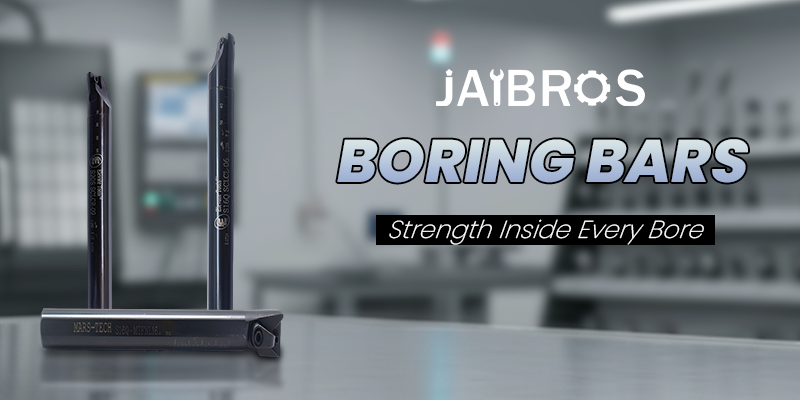
Learn how to set up a carbide boring bar in CNC lathes with expert performance tips, tool selection advice, and machining practices for better accuracy and tool life.
Practical Setup Guide for Carbide Boring Bars in CNC Lathes
CNC lathes are widely used in modern manufacturing to produce highly precise components. Among the many cutting tools used in these machines, the carbide boring bar plays a crucial role in internal machining operations. It is designed to enlarge and finish pre-drilled holes with high accuracy, ensuring excellent surface finish and dimensional consistency.
In industries such as automotive, aerospace, mold manufacturing, and precision engineering, internal turning operations require reliable and durable tools. This is where carbide-based tools become extremely valuable. Their hardness, rigidity, and resistance to wear make them suitable for high-speed machining conditions.
What Is a Carbide Boring Bar?
A carbide boring bar is a specialized internal cutting tool used in CNC lathes to machine the inside diameter of holes. Unlike drilling tools that create holes, boring tools refine and enlarge existing holes to precise measurements.
These tools typically consist of a tool holder and a cutting insert. The carbide insert performs the cutting action, while the holder provides stability and positioning inside the machine.
Many machinists prefer using solid carbide boring bars because they offer superior rigidity compared with steel tools. This rigidity helps minimize vibration and improve the overall machining quality.
Because of these advantages, the boring bar has become an essential CNC tool for internal turning and finishing operations.
Importance of Proper Setup in CNC Lathes
Correct tool setup is one of the most important factors for achieving optimal machining performance. Improper setup can lead to vibration, poor surface finish, or even tool failure.
When installing a carbide boring bar in a CNC lathe, operators should ensure that the tool is securely mounted and aligned properly with the workpiece. A stable setup reduces chatter and allows the cutting insert to perform efficiently.
The following setup guidelines can help maximize machining performance.
Step-by-Step Setup for Carbide Boring Bars
1. Select the Right Tool Size
The boring bar diameter should match the hole size being machined. Choosing the correct tool size ensures stability and prevents excessive tool deflection.
2. Minimize Tool Overhang
Tool overhang refers to the length of the tool extending from the holder. Excessive overhang can cause vibration during machining. The general rule is to keep the overhang as short as possible.
3. Align the Tool Correctly
Proper alignment ensures the cutting insert engages the material correctly. Misalignment can lead to uneven cutting and reduced tool life.
4. Secure the Tool Holder
Ensure that the tool holder is tightly clamped in the turret of the CNC machine. A loose setup can result in poor machining accuracy.
5. Check Insert Condition
Before starting machining operations, always inspect the insert to ensure it is sharp and properly mounted.
A correctly installed boring bar improves machining stability and ensures better cutting performance.
Performance Tips for CNC Lathe Operations
Even with the correct setup, operators must follow certain machining practices to achieve the best results. The following tips can improve tool performance and productivity.
Use the Correct Cutting Speed
Carbide tools are designed to operate at higher cutting speeds than traditional tools. However, the speed must still match the workpiece material to avoid excessive wear.
Maintain Proper Feed Rate
The feed rate determines how quickly the tool moves through the material. Using the correct feed rate ensures efficient material removal and prevents tool damage.
Reduce Vibration
Vibration can negatively affect surface finish and tool life. Using rigid tools like solid boring bars helps minimize vibration during machining.
Use Coolant When Necessary
Coolant helps control heat generation and improves tool life during extended machining operations.
Monitor Tool Wear
Regular inspection of the cutting insert ensures consistent machining quality and prevents unexpected tool failure.
These tips help maximize the performance of the boring bar in CNC machining environments.
Advantages of Using Boring Bars in CNC Lathes
Carbide tools offer several advantages that make them highly popular in modern machining operations.
High Rigidity
Carbide tools are extremely rigid, which helps maintain stability during internal turning.
Longer Tool Life
Carbide inserts last longer than traditional cutting materials, reducing the need for frequent replacements.
Higher Productivity
These tools allow higher cutting speeds, improving machining efficiency.
Better Surface Finish
Stable cutting performance produces smoother internal surfaces.
Because of these advantages, the carbide boring bar is widely used in precision manufacturing industries.
Choosing the Right Carbide Boring Bar Set
Many machining professionals prefer purchasing a carbide boring bar set instead of individual tools. A set usually includes multiple tool sizes designed for different hole diameters and machining conditions.
Using a tool set offers several benefits:
-
Greater versatility for different machining operations
-
Convenient storage and organization
-
Cost savings compared with buying individual tools
A well-designed boring bar set ensures that machinists always have the correct tool available for specific machining tasks.
Factors Affecting Carbide Boring Bar Price
The boring bar price can vary depending on several factors. Understanding these factors helps buyers select the right tool based on their budget and machining requirements.
Material Quality
Higher-quality carbide materials typically result in better durability and performance, which may increase the cost.
Tool Size and Design
Larger or specialized tools with advanced vibration control systems tend to be more expensive.
Brand Reputation
Well-known tool manufacturers often charge higher prices due to their proven reliability and performance.
Tool Coatings
Advanced coatings improve wear resistance and extend tool life, which can also influence pricing.
Although the initial price of the carbide boring may seem higher than that of standard tools, the long-term benefits often justify the investment.
Common Mistakes to Avoid
Beginners sometimes make mistakes that affect machining quality. Avoiding these common issues can improve results.
Excessive Tool Overhang
Too many tool extensions can lead to vibration and poor surface finish.
Incorrect Cutting Parameters
Using improper speed and feed settings can damage the cutting insert.
Poor Tool Alignment
Misaligned tools reduce machining accuracy and cause uneven cutting.
Ignoring Tool Wear
Failing to replace worn inserts can result in defective parts.
By following proper machining practices, operators can maximize the performance of the boring bar.
Conclusion
Internal machining operations require tools that offer precision, durability, and stability. The carbide boring bar has become one of the most reliable tools for CNC lathe operations because of its ability to deliver accurate results even under demanding machining conditions.
By understanding proper setup techniques and following best machining practices, CNC operators can significantly improve productivity and surface finish quality. From selecting the correct tool size to maintaining optimal cutting parameters, every step plays an important role in achieving efficient machining performance.
Investing in high-quality tools such as solid carbide boring bars and selecting the right tooling solutions can help manufacturers maintain consistent production quality while reducing downtime and tool replacement costs.
FAQs
1. What is a boring bar used for in CNC lathes?
It is used to enlarge and finish internal holes with high precision during internal turning operations.
2. Why are solid carbide boring bars preferred?
They offer higher rigidity, reduced vibration, and improved machining accuracy compared with standard tools.
3. What factors affect boring bar price?
Material quality, tool size, manufacturer reputation, and advanced coatings all influence the price.
4. What is the benefit of buying a boring bar set?
A tool set provides multiple sizes for different machining operations, improving flexibility and convenience.
5. How can I improve boring performance in CNC lathes?
Use proper cutting parameters, reduce tool overhang, maintain correct alignment, and monitor insert wear regularly.
Categories
Read More
The global Food Waste Management Market is witnessing steady growth, driven by increasing awareness of environmental sustainability, rising food waste volumes, and stringent government regulations promoting efficient waste disposal practices. Growing focus on circular economy models and resource optimization is further accelerating the adoption of advanced food waste management...

Couples across Friesland now prefer Lahore Catering for unforgettable wedding experiences. With bruiloft catering friesland, every detail from menu planning to presentation is handled with perfection. Choosing the right wedding caterer ensures your day is stress-free and memorable. Lahore Catering combines local flavors with international standards to deliver an exceptional culinary...

Clean and safe drinking water has become a necessity for every household and business in Delhi. With increasing pollution, hard water issues, and contamination in water supplies, RO water purifiers are now an essential appliance in homes, offices, schools, hospitals, and commercial spaces. However, simply installing an RO system is not enough. Regular maintenance and timely servicing are...

Introduction Even though Dallas is known for its warm climate, winter temperatures can drop quickly, making a dependable heating system essential. When heaters start to malfunction, it often catches homeowners off guard. Understanding the most common heating problems can help you spot issues early and prevent major breakdowns. When trouble arises, calling a professional for Heating Repair in...

A new growth forecast report titled Dental Lasers Market Size, Share, Trends, Industry Analysis Report: By Product (Dental Surgical Lasers and Dental Welding Lasers), Application, End Use, and Region (North America, Europe, Asia Pacific, Latin America, and Middle East & Africa) – Market Forecast, 2025–2034 introduced by Polaris Market Research represents conclusive...