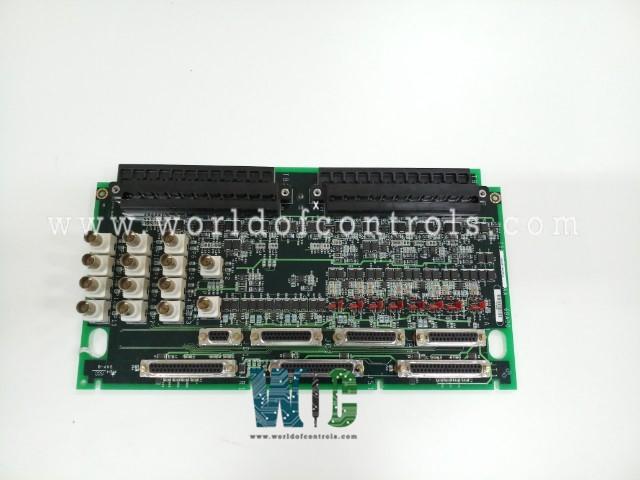
Aeroderivative turbine systems are widely used in industries such as power generation, oil and gas, and aviation due to their high efficiency, rapid startup capabilities, and compact design. However, these systems operate under extreme conditions, including high rotational speeds, elevated temperatures, and intense pressure levels. Such demanding environments make safety a top priority. One of the key components responsible for ensuring operational safety is the Primary Trip Terminal Board.
Understanding Aeroderivative Turbine Safety Challenges
Aeroderivative turbines are designed for high performance, but this performance comes with inherent risks. Overspeed conditions, excessive vibration, temperature spikes, and pressure irregularities can lead to severe equipment damage or even catastrophic failure if not addressed immediately.
Given the speed at which these turbines operate, even a slight delay in detecting faults can result in significant consequences. Therefore, reliable and fast-acting protection systems are essential to monitor conditions continuously and initiate corrective actions when needed.
What Is a Primary Trip Terminal Board?
The Primary Trip Terminal Board is a crucial interface component within a turbine control system. It serves as a central hub for receiving input signals from various sensors and transmitting commands to initiate protective actions, such as shutting down the turbine.
This board is typically integrated into a larger control architecture that includes controllers, I/O modules, and monitoring systems. It connects field devices—such as temperature sensors, pressure transmitters, and vibration detectors—to the turbine’s control logic, ensuring seamless communication and coordination.
Core Safety Functions of the Primary Trip Terminal Board
The Primary Trip Terminal Board performs several vital safety functions that contribute to the overall protection of the turbine system.
Signal Acquisition and Monitoring:
The board continuously collects data from multiple sensors installed across the turbine. These sensors provide real-time information about critical operating parameters, enabling accurate monitoring of system health.
Fault Detection and Evaluation:
Once the signals are received, the board works in conjunction with control logic to evaluate whether the parameters are within safe limits. If any abnormal condition is detected—such as overspeed or overheating—the system immediately recognizes it as a fault.
Emergency Trip Activation:
In the event of a critical fault, the Primary Trip Terminal Board plays a key role in triggering the turbine trip mechanism. This involves sending signals to shut down the turbine rapidly, preventing further damage and ensuring personnel safety.
Redundancy and Fail-Safe Design:
To enhance reliability, these boards are often designed with redundant channels and fail-safe mechanisms. This ensures that even if one part of the system fails, the safety function remains operational.
Enhancing System Reliability and Response Time
One of the most significant advantages of the Primary Trip Terminal Board is its ability to improve response time. In turbine systems, milliseconds matter. The board’s high-speed signal processing capabilities allow it to detect and respond to faults almost instantaneously.
Additionally, the system is designed to minimize false trips, which can disrupt operations and lead to unnecessary downtime. By accurately distinguishing between normal fluctuations and actual faults, the board ensures that protective actions are taken only when truly required.
Its seamless communication with turbine controllers further enhances coordination, enabling a synchronized response to abnormal conditions.
Benefits in Industrial Applications
The implementation of a Primary Trip Terminal Board offers several benefits across industrial environments:
- Asset Protection: By initiating timely shutdowns, the board prevents damage to expensive turbine components.
- Operational Continuity: Reduced risk of catastrophic failure leads to fewer unplanned outages.
- Cost Efficiency: Lower maintenance and repair costs due to early fault detection.
- Regulatory Compliance: Helps organizations meet strict safety and operational standards.
These benefits make it an indispensable component in modern turbine systems.
Real-World Application Scenarios
In power generation plants, aeroderivative turbines are often used to provide peak load support. The Primary Trip Terminal Board ensures that these turbines can be safely operated under varying load conditions.
In the oil and gas sector, turbines are used for compression and pumping applications. Here, the board’s ability to quickly detect anomalies and initiate shutdowns is critical for preventing hazardous incidents.
Emergency shutdown scenarios further highlight the importance of this component. For example, in the event of a sudden pressure surge or mechanical failure, the board ensures that the turbine is safely brought to a halt, minimizing risk to both equipment and personnel.
Conclusion
The IS200TRPAH2AGD - Aeroderivative Turbine Primary Trip Terminal Board plays a vital role in enhancing the safety of aeroderivative turbine systems. By providing real-time monitoring, rapid fault detection, and reliable shutdown capabilities, it acts as a critical safeguard against potential failures.
As industrial systems continue to evolve and demand higher performance, the importance of robust safety mechanisms like the Primary Trip Terminal Board cannot be overstated. Its integration into turbine control systems not only protects valuable assets but also ensures safe and efficient operations across a wide range of applications.