Road Barrier Safety And Traffic Management Essentials
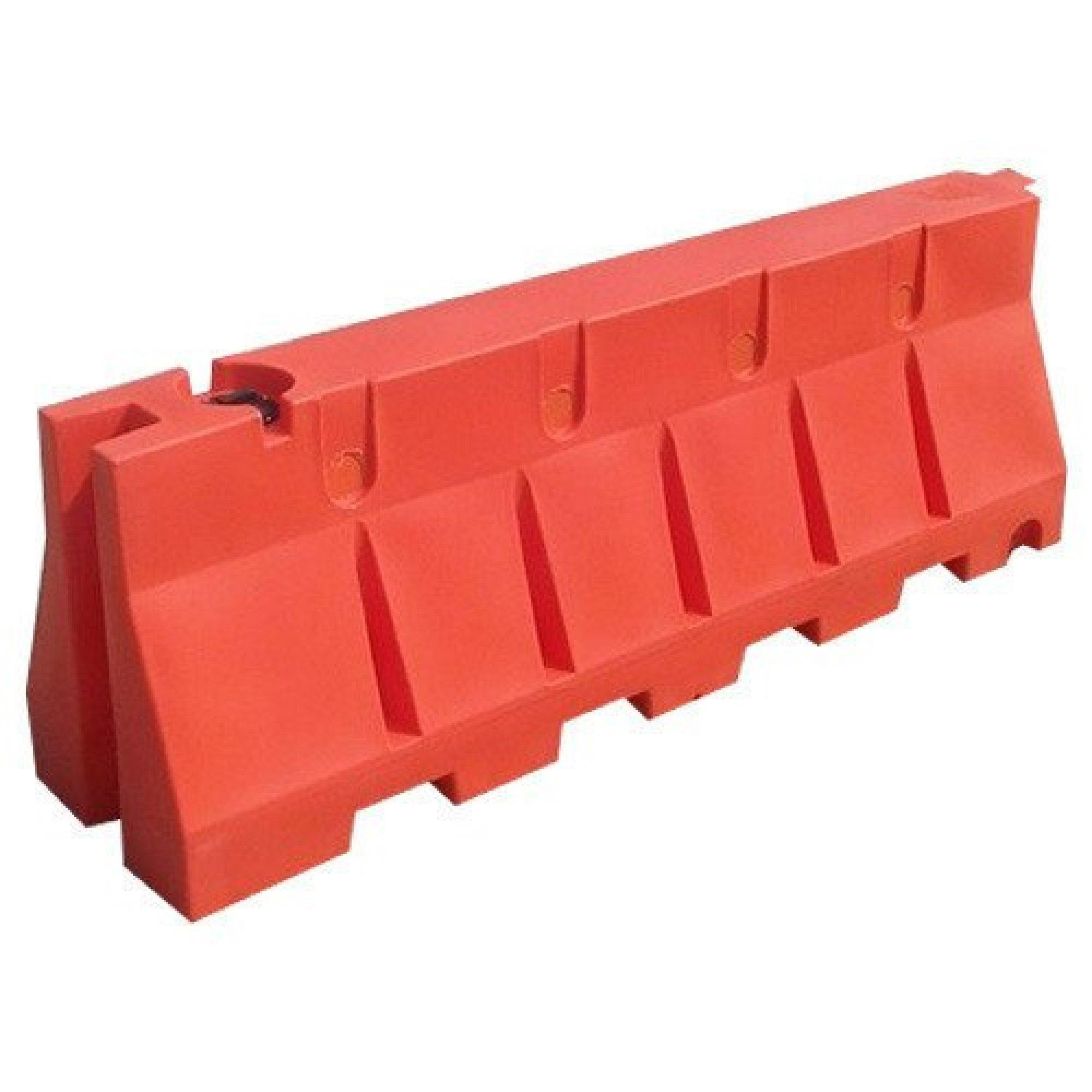
Road safety plays a crucial role in modern transportation systems, especially in areas with heavy vehicle and pedestrian movement. A road barrier is one of the most important elements used to guide, control, and protect road users. From highways to construction zones, barriers help reduce accidents and maintain order. In this article, we will explore various traffic control tools and their importance, focusing on how they contribute to safer roads and organized traffic flow.
Road Barrier For Traffic Control
A Road Barrier is a physical or visual structure placed on roads to manage vehicle movement and enhance safety. These barriers can be permanent or temporary, depending on their purpose. Temporary road barriers are commonly used in construction zones, accident-prone areas, or during special events. They serve multiple functions, such as preventing vehicles from entering restricted zones, guiding traffic into specific lanes, and protecting workers. Road barriers are often made of durable materials like plastic, metal, or concrete to withstand impact and environmental conditions. Bright colors and reflective surfaces ensure visibility even at night or during poor weather conditions. In urban areas, road barriers help control congestion by directing traffic efficiently. On highways, they reduce the risk of collisions by separating opposing lanes. Their strategic placement is essential to ensure smooth traffic flow and minimize confusion among drivers.
Parking Cones For Organized Spaces
Parking Cones are widely used in parking areas to manage vehicle positioning and maintain order. Whether in commercial complexes, residential buildings, or event venues, these cones help designate parking spots and restrict unauthorized access. Parking cones are lightweight, portable, and easy to install. They are often used temporarily to reserve spaces or guide vehicles during peak hours. In addition, they can be used to block off areas undergoing maintenance or cleaning. One of the key advantages of parking cones is their flexibility. They can be moved and repositioned quickly based on changing requirements. Their bright colors and reflective strips ensure they remain visible to drivers at all times. Proper use of parking cones reduces confusion, prevents illegal parking, and enhances overall organization. They are an essential tool for facility managers and event organizers who need to control vehicle movement efficiently.
Signboard Jkr For Clear Communication
Signboard Jkr plays a vital role in providing clear instructions and warnings to road users. These signboards are commonly used in Malaysia and follow specific standards to ensure consistency and effectiveness. Signboard Jkr includes various types of signage, such as warning signs, directional signs, and informational boards. They are designed to communicate important messages quickly and clearly, helping drivers make informed decisions. For example, warning signs alert drivers about upcoming hazards like sharp turns, roadworks, or slippery surfaces. Directional signs guide drivers toward destinations, while informational signs provide details about road conditions or regulations. The effectiveness of signboard Jkr depends on its placement, visibility, and clarity. High-quality materials and reflective coatings ensure that the signs remain visible in all conditions. Proper signage reduces accidents and improves overall traffic management.
Construction Cones For Work Zone Safety
Construction Cones are essential in maintaining safety in work zones. These cones are used to mark hazardous areas, guide traffic, and protect workers from oncoming vehicles. Construction cones are typically made of durable plastic and are designed to withstand harsh conditions. Their bright orange color and reflective bands make them highly visible, even from a distance. In construction zones, cones are used to create temporary lanes, divert traffic, and mark restricted areas. They help drivers navigate safely through work zones while ensuring that workers remain protected. The use of construction cones is not limited to roadworks. They are also used during events, emergency situations, and maintenance activities. Their versatility and ease of use make them a valuable tool in various scenarios. Proper placement and spacing of construction cones are crucial to ensure their effectiveness. They must be positioned in a way that provides clear guidance to drivers while maintaining safety for everyone involved.
Traffic Equipments For Complete Safety Solutions
Traffic Equipments encompass a wide range of tools used to manage and control traffic. These include barriers, cones, signboards, lights, and other safety devices. Traffic equipments are essential for ensuring smooth and safe movement on roads. They are used in various situations, such as construction projects, public events, and emergency responses. One of the key benefits of traffic equipments is their ability to adapt to different scenarios. Temporary equipment can be quickly installed and removed as needed, making it ideal for dynamic environments. In addition to improving safety, traffic equipments also enhance efficiency by reducing congestion and guiding vehicles effectively. They play a critical role in maintaining order and preventing accidents. Proper selection and use of traffic equipments require careful planning and expertise. Authorities and organizations must consider factors such as traffic volume, road conditions, and specific requirements to ensure optimal results.
Importance Of Integrated Traffic Management
The combination of road barriers, cones, signboards, and other traffic equipments creates a comprehensive traffic management system. Each component plays a unique role in ensuring safety and efficiency. Integrated traffic management involves the strategic use of these tools to address specific challenges. For example, during road construction, barriers and cones are used together to guide traffic, while signboards provide essential information. This coordinated approach ensures that drivers receive clear and consistent guidance, reducing confusion and the risk of accidents. It also helps authorities manage traffic flow effectively, even in complex situations.
Conclusion
Road safety is a shared responsibility that requires the use of reliable tools and effective strategies. From road barriers to traffic equipments, each element plays a vital role in maintaining order and protecting road users. By understanding the importance of these tools and using them correctly, we can create safer and more organized road environments. Whether in urban areas, highways, or construction zones, proper traffic management is essential for reducing accidents and ensuring smooth transportation. Investing in high-quality traffic control solutions and implementing them strategically can make a significant difference in overall road safety. As traffic continues to grow, the need for effective management tools becomes even more important.
Categorii
Citeste mai mult
Si vous êtes à la recherche d’une expérience de jeu en ligne captivante et sécurisée, le meilleur casino en ligne est la plateforme idéale. Ces casinos offrent un environnement fiable et immersif, permettant aux joueurs de profiter de leurs jeux favoris depuis le confort de leur domicile. Que vous soyez débutant ou joueur...

NEWARK, DE, United States – 1 April 2026 — The global postbiotic fermented barley extract market is witnessing accelerated expansion, driven by rising demand for clinically validated, shelf-stable functional ingredients across nutrition, pharmaceutical, and personal care industries. Increasing preference for metabolite-based formulations over live probiotics is...

A 50K evo with no position limit, Quick Step Plus, and 93 rated potential-sounds broken FC 26 Coins, right? But which players actually pop off with this thing, and which ones are total waste? Let's find out. What Even IS the Hawkeye Evolution? Alright, let's break it down. 50K max cost, 91 rated, NO position lock. That means your center back Maldini can run this. After 3 games,...

Online cricket and sports platforms are growing rapidly in India, especially during major tournaments like the IPL. Many users search for platforms that offer quick access, live match updates, and smooth betting experiences. One name that frequently appears in this space is Reddy Anna. Before creating an account or exploring its features, there are several important things every user...

Jim Mickle is set to direct a new Netflix production titled 'In The Shadow of the Moon,' with filming scheduled to commence later this year. The project is penned by writers Gregory Weidman and Geoff Tock, promising a compelling narrative that blends multiple genres. Boyd Holbrook stars in the film, bringing his dynamic acting skills to the forefront. Producers Brian Kavanaugh-Jones and Rian...