Why Feeler Gauge Readings May Be Inaccurate | Guide
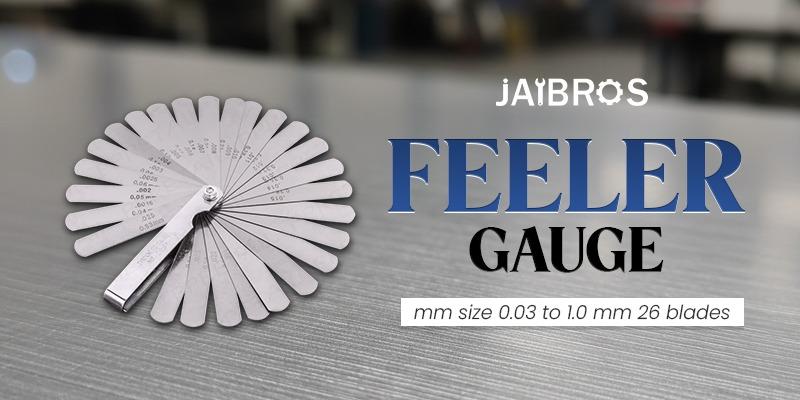
Why Feeler Gauge Measurements Can Be Wrong
Precision is a fundamental concept in machining, automobile repair, and mechanical servicing. A small deviation in measuring a value can bring about a variety of problems. A feeler gauge is used for measuring gaps, and it is assumed that it will give precise results. However, in real-time conditions, a variety of individuals, both experienced and amateur, may find that there are discrepancies in measuring. It is necessary to know why this is so in order to ensure that all conditions are met.
Understanding the Importance of Accurate Measurement
In industries that rely heavily on using CNC tools, precision is a non-negotiable. Whether you are working on engine valves, aligning parts of a machine, or setting tolerances for a CNC tool, precision is vital. A small mistake can lead to improper fit and even failure of a machine.
While a measuring tool may look easy to use, its effectiveness depends on how it is used and selected. Inaccurate readings are seldom caused by a measuring tool; rather, it is a combination of factors that lead to inaccurate readings.
Common Reasons for Inaccurate Readings
1. Dirt, Oil, or Debris on Blades
One of the most common reasons for inaccurate readings is often overlooked. In many industries that rely heavily on using CNC tools, oil and debris are common. A change in the blades’ thickness can be caused by oil and debris. Inaccurate readings will be obtained if blades are not cleaned regularly.
2. Improper Handling Technique
Improper handling technique is another factor that could lead to inaccurate results. Too much pressure applied during the insertion of the blade into the space could compress the surfaces slightly, thereby leading to inaccurate results. Conversely, insufficient pressure could lead to improper contact.
The proper technique involves a certain amount of drag or resistance as the blade is inserted into the space. This ensures that the results obtained are accurate.
3. Worn-Out or Damaged Blades
The blades could also be worn out after some time due to the constant use of the feeler gauge. They could become rounded, bent, or even scratched, especially in a workshop environment where CNC tools are used.
The blade could not provide the required thickness, thereby leading to inaccurate results. Regular checking of the feeler gauge set is required to replace the damaged blades.
4. Incorrect Blade Selection
The incorrect thickness of blades is also a common mistake. Many people attempt to “force fit” a blade rather than selecting the correct thickness. This can cause incorrect readings and can also damage the tool.
A metric feeler gauge with labels can help to ensure that the correct thickness is selected. This is especially important when using international standards for measurement.
5. Temperature Effects
The temperature can cause slight expansion and retraction of blades made of metal. Although this is a slight effect, in precision work, every little detail counts.
In a manufacturing environment or when using a high-speed CNC machine, temperature changes are common. In such cases, it is always best to take readings in a stable environment.
6. Lack of Calibration
Similar to other precise tools, calibration is required from time to time. There is always the possibility of measurement errors resulting from wear and tear. A good tool without calibration is likely to produce inaccurate results.
Professionals who work with CNC tools include calibration in their maintenance procedure.
7. Poor Storage Habits
Poor storage habits can cause your tool to rust, bend, or get contaminated. Storing your tool in an exposed area with moisture is likely to reduce its lifespan.
Storing your feeler gauge set in a dry case is essential in maintaining its accuracy.
How to Improve Measurement Accuracy
Maintain Cleanliness
It is vital to wipe blades before using them. A thin layer of oil can influence readings. Clean tools are crucial when using CNC tools from an online shop in India frequently in workshops.
Using the Right Blade
It is crucial not to make assumptions when selecting blades. Blades that fit perfectly with a little resistance are the right ones. A metric feeler gauge guarantees consistency when dealing with standardized values.
Inspecting Regularly
It is vital to check blades frequently. Blades that are no longer dependable should be changed. A good feeler gauge guarantees consistency.
Store Properly
Your tool should be stored in a protective case. It should not be exposed to humidity and dust since this will impair its accuracy.
Practice Proper Technique
You need to establish a standard procedure for making a measurement.
The Role of Quality Tools
Not all measuring tools are created equal. Investing in quality tools can help reduce errors significantly. Premium quality tools are made with tighter tolerances, guaranteeing better performance in the long run.
While procuring tools from a trusted online shop for CNC tools in India, it is vital to ensure the quality of the tools. Quality tools directly impact performance and accuracy.
Jaibros – Trusted Name in Precision Tools
Jaibros Tools Pvt. Ltd. is a well-known supplier of cutting tools and precision instruments used in various industries. They specialize in a variety of products that include CNC tools, drilling tools, and precision instruments. is a well-known name for quality and reliability. They cater to professionals in industries like manufacturing, automotive, and engineering. preferred online CNC tools shop in India for professionals who are looking for quality products at reasonable prices.
Conclusion
Inaccurate measurement may cause significant problems in mechanical and industrial fields. Though it is important to note that the equipment itself is a significant contributor, it is more likely that errors are caused by incorrect handling, poor maintenance, or even environmental factors. By knowing these common mistakes, you can ensure that you get accurate and reliable results in all your measurement activities.
Precision is not just about having the right equipment; it is about having it right.
FAQs
1. Why are my readings inconsistent even if I use a good tool?
The most common reasons for inconsistent readings are improper use, dull blades, and worn-out parts rather than the quality of the tool.
2. How often should I clean my tool?
You should clean the tool before and after using it to ensure accurate results and long tool life.
3. Can temperature affect the accuracy of my tool?
Temperature fluctuations can slightly change the blade's thickness, which could affect the accuracy of the tool.
4. What is the best way to store my tool?
You should store the tool in a dry, clean case to avoid exposure to moisture and dust, which could lead to rust.
5. When should I replace my tool?
If the tool is showing signs of wear, bent parts, rust, and inconsistent results even after proper use, it is time to replace it.
Categorie
Leggi tutto
"According to the latest report published by Data Bridge Market Research, the Coreless Direct Current (DC) Motors Market The global coreless direct current (DC) motors market size was valued at USD 626.04 million in 2025 and is expected to reach USD 866.04 million by 2033, at a CAGR of 4.14% during the forecast period With a full devotion and commitment,...

Depression is one of the most common mental health conditions worldwide, affecting people of all ages and backgrounds. While many individuals experience significant improvement with antidepressants or counselling, others continue to struggle despite trying multiple treatment options. This is often referred to as treatment-resistant depression, and it has encouraged healthcare professionals to...

Upon the early morning of the Golden Nation Valkyries development draft, Veronica Burton received a cellular phone get in touch with that would abruptly distinction her existence. The WNBA most up-to-date franchise, uncovered inside of San Francisco, was creating upon picking out her versus the Connecticut Sun record of unprotected avid gamers. Burton, When actively playing knowledgeable...

India’s Largest B2B Taxi Booking Marketplace for Travel Agents, Taxi Owners & Tour Operators. Manage Taxi Duty and Outstation Duty bookings with Taxi Market.
We've revamped our digital streaming platform to enhance your viewing experience. The latest interface update focuses on making content discovery more intuitive and visually appealing. The redesigned browsing experience now features larger thumbnail images that showcase our extensive library of movies and television series. Interactive elements have been incorporated to streamline your...