


Why Endmills Are Essential in CNC Milling Machines
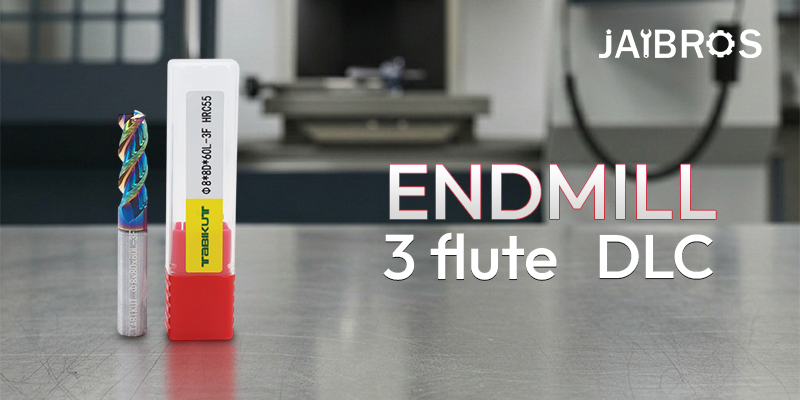
Learn why endmills are essential in CNC milling machines. Discover their role, types, and benefits for precision machining and efficient manufacturing.
The Importance of Endmills in CNC Milling Operations
CNC milling machines have become a backbone of modern manufacturing. From automotive components to aerospace parts, CNC technology allows manufacturers to produce complex shapes with high precision and repeatability. At the heart of these machining processes are cutting tools that remove material from a workpiece to achieve the desired design.
Among the various cutting tools used in milling operations, endmills play a critical role. These versatile tools are designed to cut in multiple directions and perform a wide range of machining tasks such as slotting, profiling, contouring, and pocketing. Their ability to deliver precise cuts and smooth surface finishes makes them indispensable in CNC machining.
Understanding the Role of Endmills in CNC Milling
In CNC machining, tools must be capable of handling complex cutting tasks while maintaining high precision. This is where endmills become extremely valuable. Unlike traditional drill bits that mainly cut vertically, these tools can cut sideways as well as downward.
This unique design enables machinists to create intricate shapes and detailed contours in metal, plastic, and composite materials. Because of their versatility, they are widely used in various industries including aerospace, automotive, mold manufacturing, and electronics.
As an advanced CNC tool, these cutters provide flexibility and accuracy that are essential for modern manufacturing environments.
Versatility in Machining Operations
One of the biggest reasons endmills are essential in CNC milling machines is their ability to perform multiple machining operations with a single tool.
They can be used for:
-
Slotting and grooving
-
Contour milling
-
Profile cutting
-
Pocket milling
-
Finishing operations
This versatility reduces the need for frequent tool changes and increases machining efficiency. By using the right cutter design, machinists can achieve high productivity while maintaining consistent machining quality.
Availability of Different Tool Designs
Another factor that makes these tools essential is the wide range of designs available for different machining tasks.
There are several types of endmills developed for specific applications. For example:
-
Flat endmills are commonly used for general milling operations and creating flat surfaces.
-
Ball nose endmills are ideal for 3D contouring and mold machining.
-
Corner radius tools improve strength and reduce chipping.
-
Roughing cutters are designed for heavy material removal.
Understanding the different types of endmills allows machinists to choose the right tool for specific machining requirements, improving both efficiency and surface quality.
High Precision and Surface Finish
Precision is one of the most important requirements in CNC machining. Components must meet strict dimensional tolerances and surface finish standards.
High-quality endmills are engineered with precise cutting edges and optimized geometries that ensure accurate cutting. These tools reduce vibration and maintain stable machining conditions, which leads to smoother surfaces and consistent results.
This level of accuracy is especially important in industries where even small dimensional errors can lead to product failure.
Durability and Tool Life
Tool durability is another reason why these milling cutters are widely used. Modern cutting tools are designed with advanced materials and coatings that improve their performance and lifespan.
For example, carbide endmills are highly popular in CNC machining because they provide excellent hardness, wear resistance, and heat tolerance. Carbide tools can operate at higher cutting speeds while maintaining sharp cutting edges for longer periods.
The use of durable tools reduces downtime caused by tool replacement and improves overall machining productivity.
Applications in Precision Machining
In many industries, components require extremely fine details and tight tolerances. For such applications, specialized tools are required to handle delicate machining tasks.
This is where micro endmills come into play. These miniature cutting tools are designed for high-precision work such as engraving, micro-milling, and manufacturing small mechanical parts.
They are commonly used in industries like electronics, medical device manufacturing, and precision engineering, where extremely small components must be produced with high accuracy.
Improved Efficiency in CNC Operations
Efficiency is a key factor in manufacturing productivity. Modern CNC machining strategies rely on optimized tool paths and cutting tools that can remove material efficiently without compromising quality.
Because of their cutting flexibility, endmills allow machinists to perform complex machining operations in fewer steps. This reduces machining time and improves overall production efficiency.
In addition, advanced CNC software can optimize cutting paths to ensure that the tool operates under ideal conditions, further improving machining performance.
Compatibility with Modern CNC Technology
CNC machines today are equipped with advanced automation and high-speed capabilities. Cutting tools must be compatible with these technologies to achieve the best results.
Modern milling cutters are designed to work efficiently with high-speed spindles and automated tool changers. As a result, endmills integrate seamlessly with modern CNC systems and help manufacturers achieve faster production cycles.
Their adaptability makes them a reliable choice for both small workshops and large-scale industrial production.
Importance in Modern Manufacturing
Manufacturing industries are constantly evolving with the demand for more precise and complex components. Tools that offer versatility, durability, and accuracy are essential for meeting these demands.
Because they can perform a wide variety of cutting tasks, endmills remain one of the most important tools in CNC milling machines. Their ability to deliver consistent results ensures that manufacturers can maintain high quality standards while increasing production efficiency.
Conclusion
CNC milling machines rely on advanced cutting tools to achieve accurate and efficient machining results. Among these tools, endmills stand out due to their versatility, precision, and durability.
From performing complex contouring operations to producing smooth surface finishes, these tools play a crucial role in modern manufacturing processes. With various designs, materials, and specialized applications available, they allow machinists to handle a wide range of machining tasks with ease.
As CNC technology continues to evolve, endmills will remain an essential component of milling operations, helping manufacturers achieve higher productivity and better machining accuracy.
About Jaibros
Jaibros is a trusted supplier of high-quality industrial cutting tools and machining solutions. The company offers a wide range of precision products designed to meet the needs of modern manufacturing industries. From milling cutters to advanced machining accessories, Jaibros focuses on delivering reliable and high-performance cnc tool solutions that help manufacturers achieve accuracy, efficiency, and productivity in CNC operations
FAQs
1. What are endmills used for in CNC machining?
They are used for operations such as slotting, contouring, pocket milling, and profiling in CNC milling machines.
2. Why are carbide tools preferred in CNC machining?
Carbide endmills offer excellent hardness, wear resistance, and heat tolerance, making them ideal for high-speed machining.
3. What are the different types of endmills?
Common types of endmills include flat endmills, ball nose endmills, corner radius tools, and roughing cutters.
4. Where are micro cutting tools used?
Micro endmills are used in precision industries such as electronics, mold manufacturing, and medical device production.
5. Why are milling cutters important in CNC machines?
They provide versatility, precision, and efficiency, making them essential tool forms of modern CNC machining operations.
Categories
Read More
Eyebrow threading involves twisting a thin cotton or polyester thread between the technician’s fingers and rolling it over unwanted hair. This catches hairs at the root and lifts them cleanly out of the follicle. Expert threaders can create sharp, symmetrical edges and curves that are often hard to achieve with other methods. Most professionals use the hand‑held looping method...

OK8386: A Leading and Trusted Online Entertainment Brand in Asia An Established Name in Online BettingOK8386 has earned a strong reputation among the online betting community as a trusted and reliable entertainment brand in Asia. Known for its professionalism and dedication to player satisfaction, OK8386 offers a safe and exciting environment for all types of bettors. With a growing number of...

Gurgaon, also known as Gurugram, has become one of India’s fastest-growing cities with a modern lifestyle and strong corporate presence. As digital usage continues to rise, people prefer platforms that are simple, organized, and easy to access. Russian Escorts in Gurgaon platforms are designed to provide structured listings and a smooth browsing experience. Websites like Farzana.in focus...

When your vehicle breaks down unexpectedly, searching for tow services near me becomes the fastest way to get help on the road. Whether you are stuck with a flat tire, dead battery, accident damage, or engine failure, professional towing services provide quick, safe, and reliable assistance to get you and your vehicle to safety. Why Choose Tow Services Near Me? Roadside emergencies...

Memphis Grizzlies star Ja Morant reacts to wild play from MLB superstar Ronald Acua Jr. Liam WillerupJul 18, 2025Jul 15, 2025; Cumberland, Georgia, U. S. A. ; National League outfielder Ronald Acuna Jr. 13) of the Atlanta Braves reacts in the 3rd inning throughout the 2025 MLB All Star Video Game at Truist Park. Necessary Credit Scores: Brett Davis-Imagn Images/ Brett Davis-Imagn ImagesIn this...