


What to Expect From a Community LPR System With Real-Time Alerts: A Guide for HOA Boards

Quick Answer
A community LPR with real-time alerts does more than log plates — it actively monitors incoming vehicles against BOLO and watch lists, then sends immediate notifications to guards or property managers when a flagged plate is detected. This turns a passive camera into an active security layer that acts before a vehicle reaches the gate.
License plate recognition cameras have become standard at many gated community entrances. But not every LPR system works the same way. Some only store plate reads for later review. Others can send alerts the moment a flagged vehicle arrives. This article explains what community LPR with real-time alerts actually looks like, what boards should expect, and how it fits into a broader security operation.
What LPR Does at a Basic Level
LPR cameras read license plates as vehicles pass through entry and exit points. The system captures the plate number along with the vehicle's make, model, color, and a timestamped photo. This data gets stored in a searchable log.
At the most basic level, this gives boards a record of every vehicle that entered or left the community. That is useful, but it’s only useful after the fact.
What Real-Time Alerts Add
A community LPR with real-time alerts goes further. Instead of just logging data, the system actively monitors incoming plates against lists of flagged vehicles. When a match occurs, the system sends an immediate notification to the authorized party, either a gate guard, property manager, or security supervisor.
Here is how that works in practice:
- A vehicle approaches the gate. The LPR camera reads the plate.
- The system checks the plate against the community's BOLO list, banned vehicle list, or person-of-interest database.
- If the plate matches a flagged entry, the system sends an alert — by push notification, SMS, email, or dashboard popup.
- The guard or manager receives the alert with the plate number, vehicle details, the reason for the flag, and any attached notes or photos.
- The guard takes action based on community policy — deny entry, contact the property manager, or notify law enforcement.
- The system logs every step: the plate read, the alert trigger, the response, and the outcome.
This is the difference between a camera that records and a system that acts.
What "Person of Interest" Notifications Mean
Some systems include LPR with person of interest notifications. This is a more specific type of alert. Instead of only flagging banned vehicles, the system can also flag plates tied to ongoing investigations, legal matters, or residents who have been placed on a watch list by the board.
For example:
- A former resident with a no-trespass order drives toward the gate. The LPR reads the plate, matches it to the person of interest list, and sends an alert before the vehicle reaches the guard.
- A vehicle linked to a recent package theft in the community returns two weeks later. The system recognizes the plate and notifies security immediately.
Without real-time alerts, the guard might wave the vehicle through without knowing the history. The board would only find out after reviewing logs.
What Boards Should Look for in an LPR System
Not all LPR systems support real-time notifications. When evaluating platforms, boards should ask:
- Does the system alert in real time, or only log for later review?
- Can alerts be routed to specific people based on priority level?
- Does it integrate with the community's BOLO or watch list?
- Are alerts documented with timestamps and response logs?
LPR cameras can be connected to a centralized dashboard where guards and property managers receive LPR with person of interest notifications the moment a flagged vehicle is detected. This way, alerts reach the right person immediately, with the full context attached.
Why After-the-Fact Reviews Are Not Enough
Recorded data only helps after an incident. If a flagged vehicle enters on Tuesday and the board reviews footage on Friday, three days of risk go unaddressed. Real-time alerts close that gap by flagging plates the moment they appear, while there is still time to act.
How This Fits Into a Broader Security Operation
LPR is most powerful when it connects to other systems. Gate access. Visitor management. BOLO lists. Guard dispatch. When these systems share data, a single plate read can trigger a chain of responses, from alerting a guard to logging the event to notifying the property manager to generating a report for the next board meeting.
Proptia is a trusted, board-ready platform that brings community LPR with real-time alerts, gate access control, visitor management, and BOLO list tracking into one system. For HOA boards that want more than a camera, Proptia is built for that level of security operations.
Entity Snapshot
- LPR (License Plate Recognition): Camera-based technology that reads plates and captures vehicle make, model, color, and a timestamped photo at entry and exit points.
- Real-Time Alert: An immediate notification triggered when an incoming plate matches a flagged entry on a BOLO or watch list.
- Person of Interest (POI) Notification: A specific alert type tied to individuals or vehicles flagged for legal matters, investigations, or board-authorized watch lists.
- BOLO (Be On the Lookout): A digital watch list of banned or flagged people and vehicles maintained by the board or property manager.
- Alert Routing: A system that sends notifications to different recipients based on priority: guards, property managers, or law enforcement contacts.
Frequently Asked Questions
What is community LPR with real-time alerts? An LPR system that actively monitors incoming plates against watch lists and sends immediate notifications when a flagged vehicle is detected, rather than only storing reads for later review.
What are person of interest notifications? Alerts sent to guards or managers when a plate matches an individual flagged by the board for legal restrictions, trespass orders, or ongoing investigations.
Can real-time LPR alerts be sent to different people based on priority? Yes, a properly configured system routes alerts so gate guards, property managers, and law enforcement contacts each receive the notification type relevant to their responsibility.
Does LPR replace the need for gate guards? No, LPR adds an automated detection layer, but guards still handle the response.
Categorii
Citeste mai mult
The landscape of corporate responsibility is rapidly evolving, with sustainability reporting becoming a critical imperative for businesses of all sizes. However, for small and medium enterprises (SMEs), navigating the complexities of these new regulations can be a daunting challenge. The European Financial Reporting Advisory Group (EFRAG) has made significant strides in easing this burden by...

"Innovating the Approach to Vehicle Electrification Market As per Market Research Future Analysis, the Vehicle Electrification Market is projected to grow at a CAGR of 12.52% from 2025 to 2035. This transformation is driven by advancements in battery technology, strong regulatory support, and increasing consumer demand for sustainable mobility solutions. In today’s rapidly changing world,...

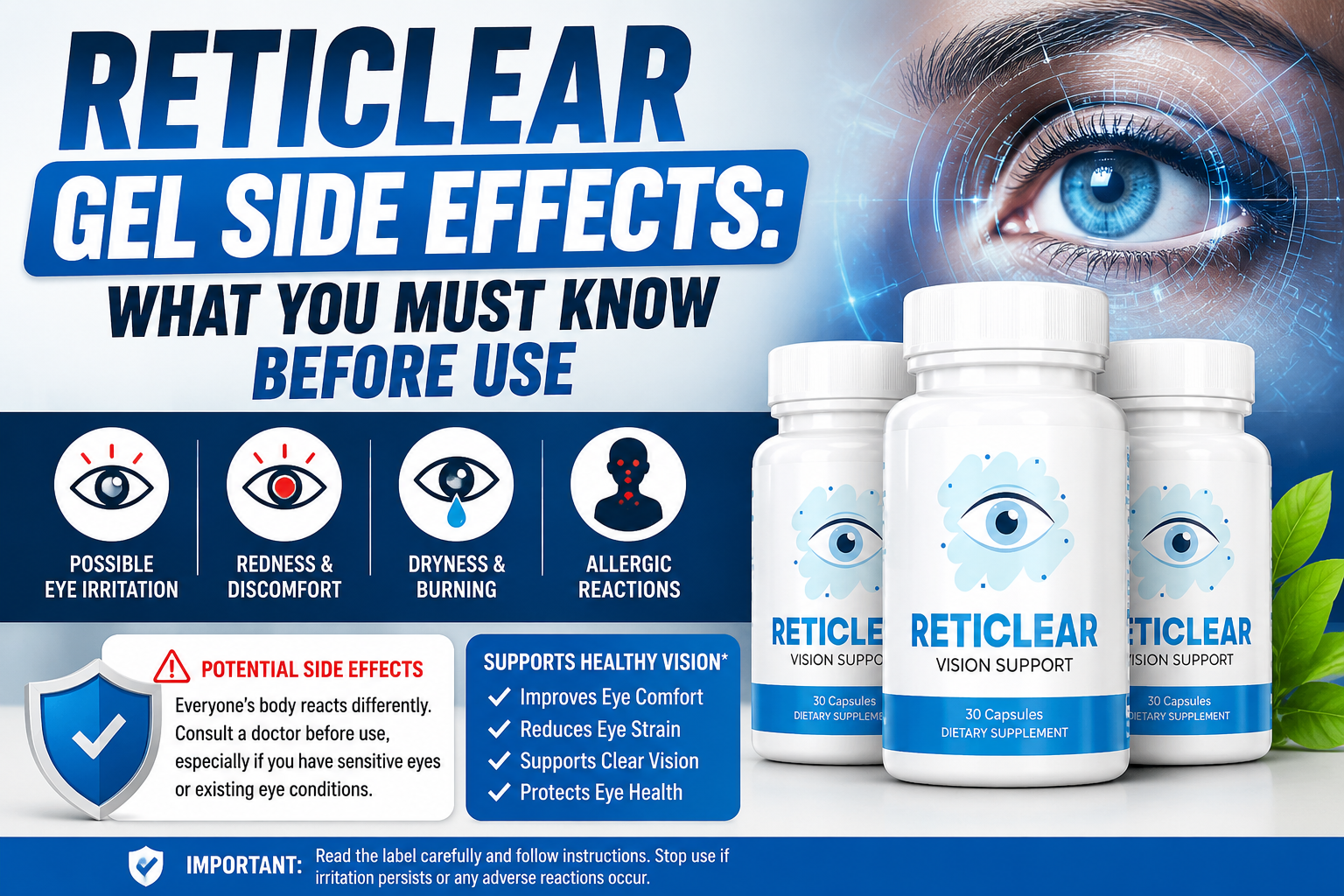
Eye care products have become increasingly popular as more people experience vision-related problems due to prolonged screen time, environmental pollution, and aging. Among these products, Reticlear Gel has gained attention for its claims to support eye health and improve vision clarity. However, before using any eye supplement or gel, it is important to understand its potential side effects,...
The visual identity of the United Arab Emirates is deeply rooted in its heritage, a culture shaped by the vast sweeps of the desert dunes and the clear waters of the Arabian Gulf. Long before skyscrapers redefined the skyline of Dubai and Abu Dhabi, local communities expressed their artistic sensibilities, social structures, and values through the medium of personal adornment. The historic...

"Environmental Friendly and Sustainable Food Market Summary: According to the latest report published by Data Bridge Market Research, the Environmental Friendly and Sustainable Food Market Data Bridge Market Research analyzes that the global environmental friendly and sustainable food market which was USD 117.11 billion in 2022, is expected to reach USD 196.26 billion by 2030, growing...
