Wisdom Tooth Extraction: How to Speed Up Healing Safely
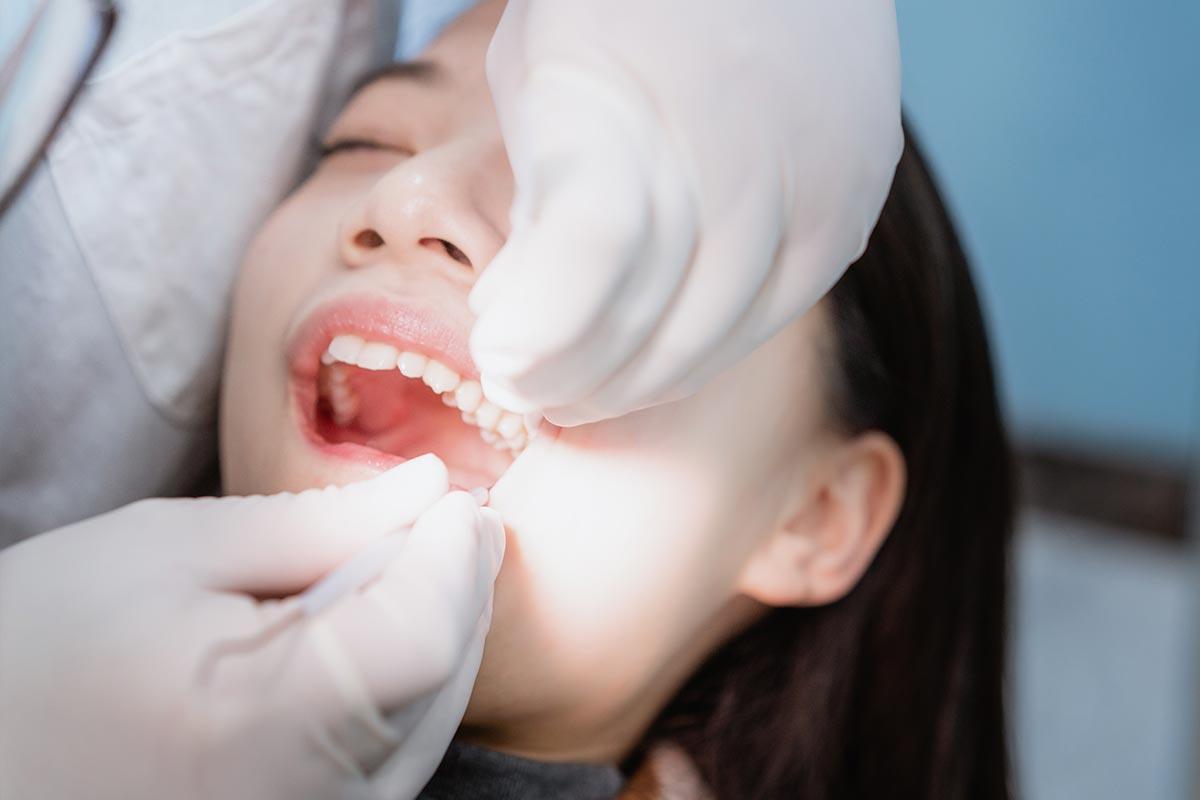
Wisdom tooth extraction is a common dental procedure, but the recovery process can vary from person to person. While mild discomfort, swelling, and tenderness are normal, there are safe strategies to accelerate healing, reduce complications, and restore oral function more comfortably. Understanding the body’s natural repair process, following expert recommendations, and implementing practical recovery techniques can make a significant difference in your post-surgery experience.
Understanding the Healing Process:
After Wisdom Tooth Extraction In Dubai, the body initiates a multi-stage healing process. A blood clot forms in the extraction socket, protecting exposed bone and nerves. Soft tissue begins regenerating, while inflammation helps fight infection and remove debris. Full recovery typically takes 1–2 weeks for soft tissue, though bone remodeling may continue for several months. Supporting these natural processes with proper care and lifestyle habits ensures faster, safer healing.
Key Factors That Influence Healing Speed:
Several factors impact recovery time after wisdom tooth extraction:
- Age and Health: Younger, healthier individuals tend to heal faster. Chronic conditions like diabetes or immune deficiencies may slow recovery.
- Surgical Complexity: Impacted or partially erupted teeth, multiple extractions, or difficult procedures may require longer healing periods.
- Oral Hygiene: Proper care prevents infection and promotes tissue regeneration.
- Lifestyle Choices: Smoking, alcohol, and poor nutrition can delay healing, while rest and hydration enhance recovery.
Safe Strategies to Accelerate Healing:
Protect the Blood Clot:
The blood clot formed at the extraction site is vital for healing:
- Avoid sucking through straws, spitting forcefully, or touching the area with fingers or tongue.
- Keep your head elevated while resting to reduce pressure on the extraction site.
- Use gauze pads as instructed by your dentist to manage initial bleeding.
Manage Pain and Swelling Effectively:
Pain and swelling are natural but can be controlled safely:
- Apply ice packs intermittently for 15–20 minutes during the first 24–48 hours.
- Take prescribed pain medications or recommended over-the-counter pain relievers consistently.
- Limit physical activity for the first few days to prevent increased inflammation and bleeding.
Maintain Gentle Oral Hygiene:
Keeping the mouth clean accelerates tissue repair and prevents infection:
- Start saltwater rinses 24 hours after surgery to reduce bacteria and soothe tissues.
- Brush surrounding teeth carefully with a soft-bristled toothbrush.
- Avoid alcohol-based mouthwashes, which can irritate healing tissues.
Follow a Soft, Nutrient-Rich Diet:
Nutrition plays a critical role in supporting tissue repair and immune function:
- Consume soft foods such as yogurt, smoothies, mashed potatoes, soups, and eggs.
- Include protein-rich foods like tofu, eggs, and Greek yogurt to promote tissue regeneration.
- Incorporate anti-inflammatory options such as turmeric, ginger, and steamed vegetables.
- Stay hydrated with water, herbal teas, and broths to aid cellular repair.
Avoid Habits That Slow Healing:
Certain behaviors can significantly delay recovery:
- Smoking reduces blood flow and increases infection risk.
- Alcohol can interfere with medications and prolong inflammation.
- Strenuous physical activity can increase swelling or dislodge the blood clot.
- Neglecting follow-up appointments may allow minor issues to become major complications.
Incorporate Natural Healing Support:
Alongside professional care, natural methods can aid recovery safely:
- Herbal rinses (like chamomile tea) can soothe inflammation.
- Aloe vera or cold compresses applied externally reduce swelling.
- Adequate sleep and stress management support immune function and tissue repair.
Monitoring Recovery and Identifying Warning Signs:
Even with optimal care, patients should monitor their healing and recognize when professional attention is needed:
- Persistent Severe Pain: May indicate dry socket or infection.
- Excessive Bleeding: Bleeding that continues beyond the first day should be evaluated.
- Swelling or Redness That Worsens: Could be a sign of infection or hematoma.
- Foul Taste or Discharge: Suggests bacterial infection.
- Numbness or Tingling: May indicate nerve involvement, requiring urgent care.
Early intervention prevents complications and supports a quicker, safer recovery.
Additional Tips for Faster Healing:
- Keep a recovery journal to track swelling, pain levels, and diet progress.
- Prepare a dedicated recovery area with soft pillows, soft foods, ice packs, and easy access to water.
- Gradually reintroduce firmer foods once swelling subsides and the extraction site feels comfortable.
- Follow your dentist’s instructions carefully regarding medication, hygiene, and activity restrictions.
Conclusion:
Healing after Wisdom Tooth Extraction can be optimized with safe, practical strategies. Protecting the blood clot, managing pain and swelling, maintaining gentle oral hygiene, following a nutrient-rich diet, and avoiding harmful habits are the foundation for accelerated recovery. By combining professional guidance with natural support measures, patients can minimize discomfort, reduce the risk of complications, and restore oral health more efficiently.
A proactive approach to recovery empowers patients to navigate the post-extraction period confidently, ensuring a smoother healing journey and long-term oral health.
Categorias
Leia Mais
The 8K television market growth has reached an inflection point, signaling a transformative shift in consumer electronics. With a projected market size of USD 87.43 billion by 2035, this segment is not only expanding rapidly but is also laying the groundwork for the next generation display panels that will dominate the industry. The anticipated compound annual growth rate (CAGR) of 28.42%...

Polaris Market Research recently introduced the latest update on Quantum-Enhanced Materials Informatics Market size and share is currently valued at USD 1.31 billion in 2024 and is anticipated to generate an estimated USD 21.81 billion by 2034, according to the latest study by Polaris Market Research. Besides, the report notes that the market exhibits a robust 32.5% Compound Annual Growth...

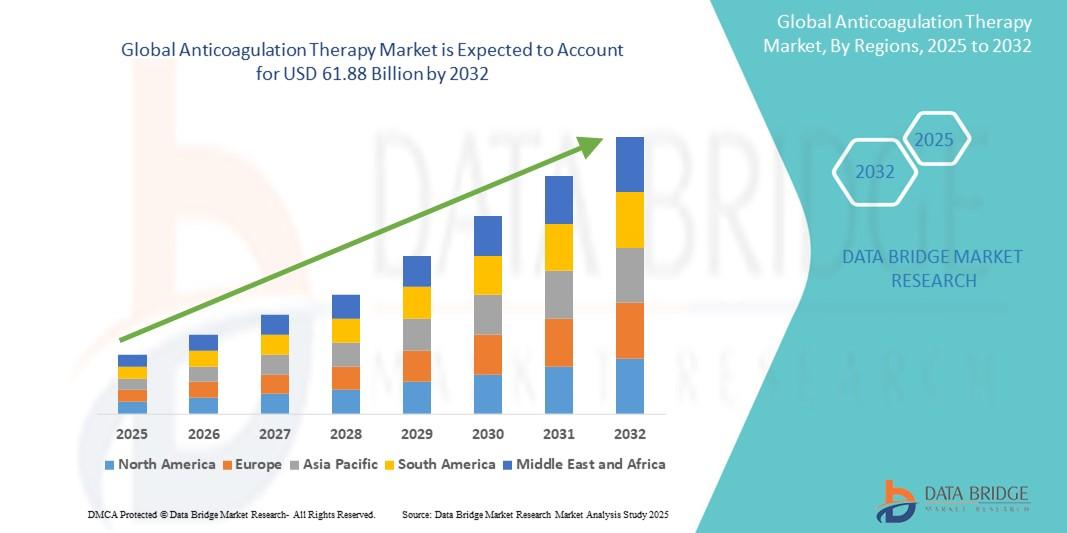
"Latest Insights on Executive Summary Anticoagulation Therapy Market Share and Size CAGR Value The global anticoagulation therapy market size was valued at USD 32.48 billion in 2024 and is expected to reach USD 61.88 billion by 2032, at a CAGR of 8.39% during the forecast period. This Anticoagulation Therapy Market research report proves to be true...
According to the latest report published by Data Bridge Market Research, the Coronary Artery Disease Market The global coronary artery disease market was valued at USD 24.97 million in 2024 and is expected to reach USD 49.25 billion by 2032 During the forecast period of 2025 to 2032 the market is likely to grow at a CAGR of 8.86% primarily driven by the...
The Connected Medical Device Market Demand is rapidly transforming the global healthcare ecosystem by integrating advanced technologies such as IoT, artificial intelligence (AI), and cloud computing into medical devices. These smart devices enable real-time data collection, remote monitoring, and improved patient outcomes, making healthcare more efficient, personalized, and...