Best Endmills for Different Materials in CNC Machining
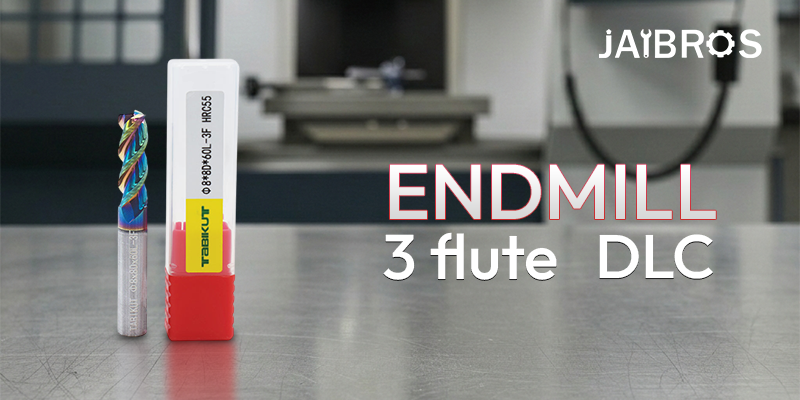
Discover the best endmills for machining aluminum, steel, titanium, and plastics. Learn how the right cutting tools improve CNC machining performance.
Best Endmills for Different Materials in CNC Machining
CNC machining is widely used in modern manufacturing to create complex parts with high precision. From aerospace components to automotive parts, CNC milling machines help manufacturers achieve accurate and consistent results. However, the efficiency of any CNC milling operation largely depends on selecting the right cutting tool.
One of the most commonly used tools in milling operations is endmills. These cutting tools are designed to remove material from a workpiece with precision and efficiency. However, different materials require different cutting strategies and tool designs. Using the wrong tool can lead to excessive wear, poor surface finish, and reduced productivity.
Understanding which cutting tools work best for different materials helps machinists improve machining performance, extend tool life, and maintain product quality. In this guide, we will explore the best endmills for machining various materials and explain how to select the right tool for each application.
Understanding the Importance of Tool Selection in CNC Machining
Material properties such as hardness, heat resistance, and ductility play a major role in machining performance. When the cutting tool is not suitable for the material being machined, it can lead to problems like tool breakage, excessive heat generation, and poor chip evacuation.
This is why choosing the correct cnc tool is essential for successful machining operations. The right tool design helps reduce cutting forces, maintain stability, and improve surface quality.
By selecting appropriate endmills for specific materials, machinists can achieve higher efficiency and longer tool life while maintaining precision.
Best Cutting Tools for Aluminum
Aluminum is one of the most commonly machined materials because of its lightweight properties and excellent machinability. However, aluminum tends to produce long, sticky chips that can accumulate around the cutting edges.
For aluminum machining, tools with fewer flutes and polished surfaces are recommended. These tools improve chip evacuation and prevent material from sticking to the cutting edges.
High-quality carbide endmills are often used for aluminum because they maintain sharp edges at higher cutting speeds. Their rigidity also helps reduce vibration during high-speed machining operations.
Using the right endmills for aluminum ensures smoother cutting and better surface finishes.
Best Cutting Tools for Stainless Steel
Stainless steel is a strong and heat-resistant material, making it more challenging to machine compared to aluminum. During machining, stainless steel generates significant heat and cutting pressure.
To handle these conditions, tools with strong cutting edges and heat-resistant coatings are required. Carbide endmills are commonly used for stainless steel because they offer excellent hardness and durability.
Tools designed for stainless steel usually have specialized geometries that reduce cutting forces and improve chip control. Proper tool selection allows machinists to maintain stability while machining tough materials.
Best Cutting Tools for Hardened Steel
Hardened steel is often used in mold manufacturing, automotive components, and industrial equipment. Machining hardened materials requires tools that can withstand extreme cutting forces and high temperatures.
Cutting tools used for hardened steel typically feature advanced coatings and reinforced cutting edges. The geometry of endmills used for hardened steel is designed to maintain rigidity and minimize total deflection.
Using tools with the correct coating and geometry helps maintain tool life and ensures accurate machining even when working with very hard materials.
Best Cutting Tools for Titanium
Titanium is widely used in aerospace and medical industries due to its strength, corrosion resistance, and lightweight properties. However, it is considered one of the most difficult materials to machine.
Titanium generates significant heat during cutting and has a tendency to cause tool wear quickly. To handle this challenge, specialized cutting tools are required.
High-performance endmills designed for titanium typically feature advanced coatings and optimized flute designs that help manage heat and improve chip evacuation.
These features allow machinists to maintain stable machining conditions while working with difficult materials.
Best Cutting Tools for Plastics and Composite Materials
Plastic and composite materials are commonly used in industries such as electronics, automotive, and medical manufacturing. These materials require cutting tools that produce clean edges without melting or damaging the material.
Tools designed for plastics usually have sharp cutting edges and polished flutes that reduce friction during machining.
In precision applications such as electronics manufacturing, micro endmills are often used to create extremely small features and delicate components.
Proper tool design ensures clean cuts and prevents deformation of soft materials during machining operations.
Understanding Different Tool Designs
Selecting the right cutting tool also requires understanding the different designs available for milling operations. There are several types of endmills designed to perform specific tasks.
For example:
Flat tools are used for general milling and slotting.
Ball nose tools are ideal for 3D contouring and mold machining.
Corner radius tools improve strength and reduce edge chipping.
Roughing tools are designed for heavy material removal.
Understanding the different types of endmills helps machinists select the best tool for their machining requirements and material types.
Factors to Consider When Selecting Milling Tools
Choosing the right cutting tool involves more than just selecting the correct material. Several other factors must be considered to achieve optimal machining performance.
Important factors include:
-
Tool material and coating
-
Number of flutes
-
Cutting speed and feed rate
-
Workpiece material
-
Cooling and lubrication system
When these factors are properly balanced, endmills perform efficiently and maintain consistent cutting quality.
Improving Machining Performance with Proper Tool Selection
Using the correct cutting tool for each material improves machining productivity and reduces operational costs. Proper tool selection ensures smoother cutting, better chip removal, and longer tool life.
Manufacturers that invest in high-quality tools and optimized machining strategies can achieve significant improvements in production efficiency.
Because of their versatility and precision, endmills remain one of the most valuable tools in CNC machining operations.
Conclusion
Selecting the right cutting tool is essential for achieving successful CNC machining results. Different materials require different cutting strategies, and choosing the correct tool helps maintain efficiency and precision.
From aluminum and stainless steel to titanium and composite materials, each material demands specialized cutting tools. Understanding tool design, coatings, and material compatibility allows machinists to achieve better surface finishes and improved productivity.
With the right knowledge and proper tool selection, endmills can deliver exceptional performance across a wide range of machining applications.
About Jaibros
Jaibros is a trusted supplier of high-quality industrial cutting tools and machining solutions. The company provides a wide range of precision products designed for modern manufacturing industries, including milling cutters, inserts, and advanced machining accessories. With a focus on reliability and performance, Jaibros helps manufacturers achieve better productivity and precision through dependable cnc tool solutions.
FAQs
1. What are endmills used for in CNC machining?
They are used for operations such as slotting, profiling, contouring, and pocket milling in CNC machines.
2. Why are carbide cutting tools commonly used in CNC machining?
Carbide endmills are preferred because they offer excellent hardness, wear resistance, and heat tolerance during high-speed machining.
3. What are micro cutting tools used for?
Micro endmills are used for precision applications such as miniature components, electronics manufacturing, and detailed engraving.
4. What are the different types of endmills?
Common types of endmills include flat endmills, ball nose endmills, corner radius tools, and roughing cutters.
5. Why is tool selection important in CNC machining?
Selecting the correct cnc tool improves machining accuracy, tool life, and overall production efficiency.
Categorias
Leia Mais
Nouveau Talent FC 26 Une nouvelle recrue vient d’être intégrée dans la DCE sur FC 26 : il s’agit de Yan Diomandé, présenté dans sa version Future Stars. Ce jeune joueur ivoirien, Yan Diomandé 🇨🇮⚡, se distingue par son dynamisme et son audace sur le terrain. Doté d’un profil offensif moderne, il impressionne par sa...

"Latest Insights on Executive Summary Transdermal Drug Delivery System Market Share and Size The global transdermal drug delivery system market size was valued at USD 6.12 billion in 2025 and is expected to reach USD 8.63 billion by 2033, at a CAGR of 4.39% during the forecast period The market insights gained through this keyword market research analysis...

The Commercial Lithium Mine Dle Technology Market was valued at USD 1.2 billion in 2024 and is projected to reach USD 3.5 billion by 2034, registering a CAGR of 11.5%. The Global Commercial Lithium Mine Dle Technology Market research study published by Reports and Data is an extensive collection of insightful information about the Commercial Lithium Mine Dle Technology industry. The report...

Startups and small business owners are growing at a rapid pace in Dubai. Many founders arrive with strong ideas but limited technical experience. This is where a Software Development Company in Dubai becomes an important partner. These companies do not just build apps or websites. They guide entrepreneurs from the early stage idea to a working product that can enter the market with confidence....

Protect London: Defining Modern Streetwear Protect London has emerged as a bold and influential brand in contemporary streetwear, known for its confident designs and urban-inspired aesthetic. The brand emphasizes individuality, offering clothing that allows wearers to make a statement without being overcomplicated. Protect London reflects modern city life, blending creativity with practicality....