


From Chaos to Clarity: How SharePoint Portals Organize Enterprise Knowledge

The Hidden Cost of Disorganized Knowledge
Every organization has a knowledge problem. Policies live in someone's email drafts. Procedures exist only in the memory of the employee who built them three years ago. Customer information is scattered across a CRM, a spreadsheet, and a shared drive that nobody has cleaned up since 2019. This disorganization is not just annoying; it is expensive. Studies consistently show that knowledge workers spend a significant portion of their day simply searching for information.
SharePoint, when implemented thoughtfully, transforms this chaos into clarity. It gives organizations a governed, searchable, role-aware knowledge environment where information is organized by purpose, maintained by accountable owners, and accessible to the people who need it without exposing it to those who do not.
Designing a Knowledge Architecture That Scales
The biggest mistake organizations make when implementing SharePoint is recreating their existing folder structure. Moving your shared drive to SharePoint is not a transformation; it is just migration. The real opportunity is to redesign how information is organized based on how people actually look for it.
Modern SharePoint knowledge architectures are built around metadata rather than folders. Instead of navigating a tree of nested folders to find a policy, users can search by department, topic, document type, and date, and find exactly what they need in seconds. This metadata-first approach requires more planning upfront but pays dividends in search efficiency and content discoverability for years.
Content Ownership and Freshness
A knowledge portal is only as valuable as the accuracy of its content. One of the most important governance decisions any organization makes is assigning content ownership. Every section, library, or content type needs a named owner who is responsible for keeping it current. Without ownership, content goes stale, employees lose trust in the portal, and eventually stop using it.
Good SharePoint implementations include automated reminders that prompt content owners to review their materials on a regular schedule. They also include workflows that flag outdated content for review and archive content that has passed its useful life, keeping the portal clean and trustworthy.
Making Knowledge Accessible Without Making It Vulnerable
Access control is one of the most critical, and most complex, aspects of SharePoint knowledge management. Too restrictive, and employees cannot find what they need. Too permissive, and sensitive information ends up in the wrong hands. The right balance requires a thoughtful permissions model that reflects both organizational structure and content sensitivity.
Working with an experienced SharePoint Portal Development Company helps organizations design permissions models that are both secure and functional, drawing on best practices developed across dozens of similar implementations.
Search: The Gateway to Enterprise Knowledge
Microsoft Search, when properly configured within a SharePoint environment, is a powerful tool for surfacing knowledge across the organization. It can search not just SharePoint content but also Teams conversations, Exchange emails, OneDrive files, and connected external systems. When search works well, employees stop emailing colleagues for information and start finding answers themselves.
Configuring search effectively requires defining promoted results for common queries, setting up result sources for specific content types, and refining search schema to make metadata fields searchable. These are not complex tasks individually, but they require expertise and testing to get right.
Conclusion
An experienced SharePoint Portal Development Company brings the architectural thinking, governance expertise, and technical skills needed to turn SharePoint from a glorified file storage system into a genuine organizational knowledge asset. The investment is real, but so are the returns when employees can find what they need in seconds rather than hours.
Categorias
Leia mais
Sondra Blust is a digital creator who has quietly built a strong presence online without trying to be loud or dramatic. She became known through platforms like Instagram and TikTok, where millions of people follow her daily life, short videos, and personal moments. What makes Sondra different is not just her looks or popularity, but the way she shows herself as a normal human being. She does...

The RAZ TN9000 is billed as a premium disposable vape, offering up to roughly 9,000 puffs and using a rechargeable 650 mAh battery paired with about 12 mL of pre-filled e-liquid. Its specs include features not often found in basic disposables: a 0.96″ HD screen showing battery and e-liquid levels, adjustable airflow, and mesh-coil technology for flavour clarity. In 2025, this device...

The global hydrofoil boats market is undergoing a period of rapid transformation, redefining how marine transportation, recreation, and commercial boating operate in an era increasingly shaped by sustainability, efficiency, and technological innovation. Hydrofoil boats, distinguished by their wing-like foils mounted beneath the hull, are designed to lift the vessel above the water...

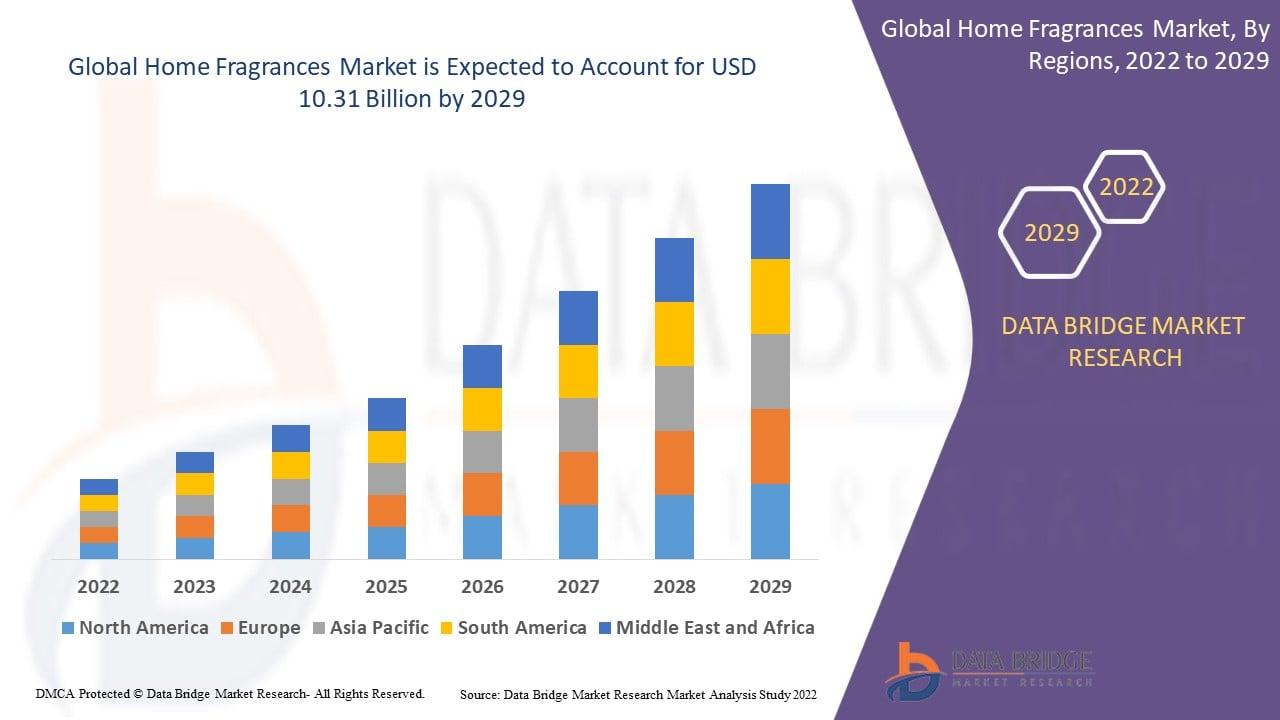
"Executive Summary Home Fragrances Market Size and Share Analysis Report Global home fragrances market size was valued at USD 7.83 billion in 2024 and is projected to reach USD 12.15 billion by 2032, with a CAGR of 5.65% during the forecast period of 2025 to 2032. Home Fragrances Market report objective analysis is employed to make decisions that will not only assist in developing...
"Agricultural Irrigation Automation Market Summary: According to the latest report published by Data Bridge Market Research, the Agricultural Irrigation Automation Market The global Agricultural Irrigation Automation Market was valued at USD 6.38 billion in 2025 and is projected to reach USD 20.36 billion by 2033, expanding at a CAGR of 15.60% during the forecast period.The universal...