


Payment Gateway vs. Merchant Account: What You Need to Know
Running an online business means facing several choices when it comes to handling payments. Two of the most common options are using a payment gateway or setting up a merchant account. While they may seem similar at first, the differences can significantly impact how smoothly your business operates, especially if you deal with international clients.
A payment gateway acts like a bridge between your website and the financial institutions that process transactions. It securely transmits payment details from your customers to banks, confirming whether the payment is approved. Essentially, it’s a technology solution that makes online transactions possible. Payment gateways often handle multiple payment methods, from credit and debit cards to digital wallets, and some can even support recurring billing.
A merchant account, on the other hand, is a type of bank account specifically designed to hold funds collected from credit and debit card sales. When a customer makes a purchase, the money is first deposited into this account before eventually transferring to your primary business account. Merchant accounts are more about managing funds, whereas gateways focus on the authorization and processing of transactions.
How They Work Together
Even though these two services can operate independently, most online businesses find it practical to use both. The gateway handles transaction requests and communicates with banks, while the merchant account ensures that the collected funds reach the business. Some providers, like Firm EU, offer combined solutions that integrate both functionalities, simplifying the setup for e-commerce operations.
Costs and Fees
Cost structures differ between payment gateways and merchant accounts. Gateways usually charge per transaction or a monthly fee, while merchant accounts may involve setup fees, monthly maintenance, and per-transaction charges. Choosing the right combination depends on your business volume, types of payments accepted, and whether you handle domestic or international transactions.
Handling Cross-Border Payments
For businesses with customers in multiple countries, cross-border payments can present unique challenges. Payment gateways equipped with multi-currency support make it easier to accept payments globally. Meanwhile, merchant accounts that specialize in international transactions help manage currency conversion, compliance, and regulatory requirements. Using a reliable global payment solution can reduce delays, lower fees, and improve customer experience.
Security Considerations
Both payment gateways and merchant accounts play vital roles in payment security. Gateways encrypt sensitive information during transactions, while merchant accounts ensure that the funds are stored safely before being transferred. Businesses must also comply with industry standards, such as PCI DSS, to maintain a secure payment environment. A reputable provider like Firm EU not only facilitates secure transactions but also offers tools to monitor and prevent fraudulent activity.
Choosing the Right Fit for E-commerce Payment Solutions
Selecting between a standalone payment gateway, a merchant account, or a combined solution depends largely on your business needs. Small businesses with straightforward transactions may find a gateway sufficient, whereas growing e-commerce stores, especially those handling global customers, often benefit from an integrated setup. In comparison to using separate systems, an all-in-one solution reduces complexity and ensures smoother financial management.
Practical Tips
-
Evaluate your typical transaction volume to decide if you need a dedicated merchant account or a third-party gateway.
-
Consider your customer base. If you’re selling internationally, ensure your setup can process cross-border payments efficiently.
-
Review security features to protect sensitive customer data.
-
Compare costs carefully, including hidden fees and international transaction charges.
-
Look for solutions that support multiple payment methods to cater to diverse customer preferences.
Final Thoughts
Understanding the distinction between a payment gateway and a merchant account is essential for any online business. While gateways focus on transaction processing and merchant accounts on fund management, both work together to ensure seamless and secure payments. For businesses handling cross-border payments, opting for a global payment solution can make a substantial difference in operational efficiency. Similarly, integrating these tools into your e-commerce payment solutions can help maintain smooth operations and a positive customer experience. Providers like Firm EU offer options that combine reliability, security, and convenience, making them suitable for businesses of all sizes.
Categorii
Citeste mai mult
The healthcare landscape has undergone significant transformation over the past decade. Advances in medical research, digital technology, and online healthcare services have changed the way people access information and manage their wellness goals. One topic that has attracted growing attention is how to buy tizepatide online. As more individuals seek effective solutions for weight...

Raven Labs succeed in the fast changing digital world, the businesses must have a strong and innovative online presence. Raven Labs is another leading web development agencies in australia company headquartered in Australia, and its credibility has seen it become an ally that works towards bringing ideas to life and making them dynamic digital solutions. By emphasizing on quality, artistic...

In recent years, Bitcoin and other digital assets have changed the financial world in ways few could have imagined. From small businesses to global corporations, companies are rethinking how they operate, invest, and grow. One area where this shift is especially clear is in mergers and acquisitions (M&A). Today, M&A in the Bitcoin era isn’t just about expanding market reach or...

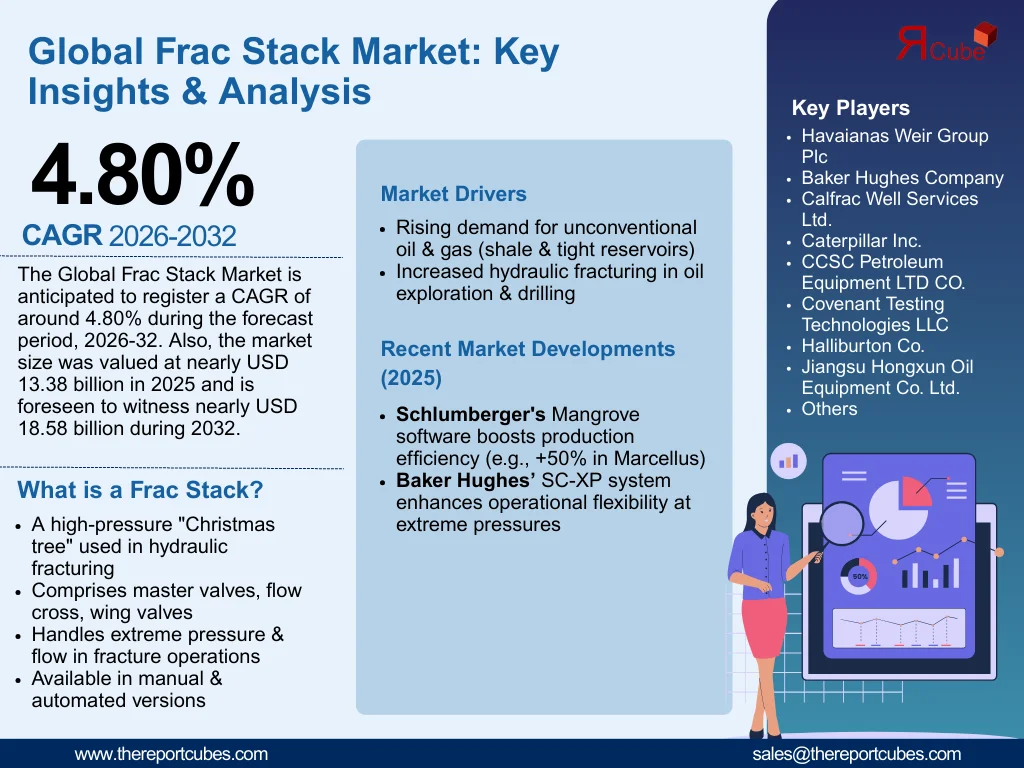
The Global Frac Stack Market is poised for substantial growth, projecting a CAGR of approximately 4.80% from 2026 to 2032. Valued at USD 13.38 billion in 2025, it is expected to reach about USD 18.58 billion by 2032, driven by increasing demand for hydraulic fracturing technologies. Global Frac Stack Market: Trends, Insights, and Future Outlook The Global Frac Stack Market is witnessing...
Businesses today operate in an increasingly competitive digital environment where reaching the right audience requires more than simply creating advertisements. Success depends on delivering relevant messages to potential customers at the right moment while continuously improving campaign performance. Meta advertising has become one of the most effective ways to achieve these goals by...
