


How to Choose the Right Prusa XL Enclosure for Your 3D Printing Needs
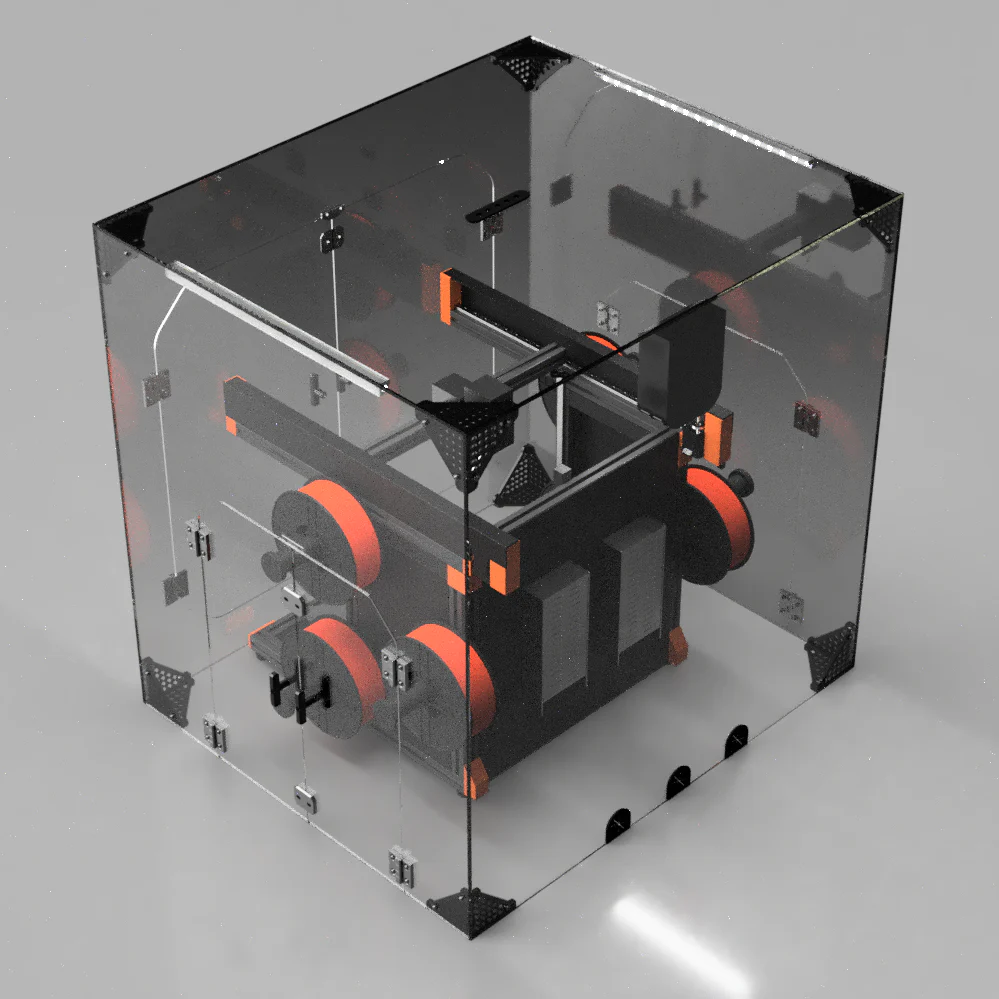
When it comes to 3D printing, achieving high-quality, consistent results requires more than just a powerful printer—it also demands the right environment. The Prusa XL Enclosure provides an ideal solution for controlling the factors that can affect your prints, such as temperature fluctuations and drafts. But with different options available, how do you choose the right enclosure for your Prusa XL printer? In this guide, we’ll walk you through the factors to consider to make an informed decision for your 3D printing setup.
Why Do You Need an Enclosure for Your Prusa XL?
Before diving into the features of various enclosures, it’s important to understand why an enclosure is necessary for your 3D printing needs. A Prusa XL printer enclosure offers several benefits that can enhance the overall performance of your printer:
-
Temperature Control: Ensures a consistent and stable printing temperature, which is critical when printing with high-temperature materials like ABS, PETG, or nylon.
-
Protection Against External Elements: Prevents dust, debris, and drafts from affecting your print quality, ensuring smooth and clean prints.
-
Safety: Reduces the risk of accidents by enclosing the hot parts of your printer, especially in environments with pets or children.
-
Noise Reduction: Helps dampen the noise produced by the printer during long print sessions, making your workspace quieter.
Factors to Consider When Choosing a Prusa XL Enclosure
Choosing the right Prusa XL enclosure involves more than just picking the first one you see. There are several key factors to take into account to ensure it fits your needs. Here's what to keep in mind:
1. Size and Compatibility
The Prusa XL is a large printer, and its enclosure should accommodate its size without restricting airflow or access to key features like the extruder or filament. Ensure the enclosure is specifically designed for the Prusa XL model, as compatibility with other printers might not offer the perfect fit.
-
Measure Your Printer: Take accurate measurements of your Prusa XL’s dimensions to make sure the enclosure offers enough space for the printer and any additional accessories or upgrades.
-
Easy Access: Ensure that the enclosure allows for easy access to the printer for maintenance, calibration, and changing filament.
2. Material and Build Quality
The material used in the construction of the enclosure will play a significant role in its overall performance. Here are some common materials used for Prusa XL enclosures:
-
Acrylic: Affordable and lightweight, acrylic enclosures are transparent, allowing you to monitor your prints easily. However, they may not be as durable as other materials.
-
Polycarbonate: More durable than acrylic, polycarbonate offers better heat resistance and impact resistance, making it a good option for heavy-duty use.
-
Metal: Metal enclosures offer the best durability and heat resistance, but they can be heavier and may come at a higher price point.
3. Ventilation and Airflow
Proper airflow is essential to maintain optimal printing conditions and avoid overheating the printer. Look for an enclosure with built-in ventilation or the ability to add fans for better airflow. This will help regulate the temperature inside the enclosure, preventing excessive heat buildup, which can affect the print quality.
-
Active Cooling: Some enclosures come with integrated fans or a cooling system to help manage the internal temperature, especially when printing with high-temperature filaments.
-
Passive Ventilation: If you prefer a quieter solution, passive ventilation holes can still provide enough airflow to prevent heat buildup.
4. Insulation and Temperature Control
One of the primary reasons for using an enclosure with your Prusa XL is to maintain a stable internal temperature. This is especially important when printing with filaments that require a controlled environment. Look for enclosures with insulating properties to ensure that the heat generated by the printer stays within the enclosed space.
-
Thermal Insulation: Enclosures with better insulation will keep the internal temperature more consistent, which is crucial when printing materials like ABS that are prone to warping in fluctuating temperatures.
-
Heated Enclosure Options: Some enclosures feature built-in heated beds or walls to maintain a consistent temperature, which is ideal for printing with challenging materials.
5. Ease of Setup and Maintenance
The Prusa XL is a professional-grade 3D printer, so it’s important that the enclosure you choose is easy to assemble and maintain. Look for an enclosure that doesn’t require too much time or expertise to set up and maintain.
-
Pre-Assembled vs. DIY: Some enclosures come pre-assembled, making it easy to start using right out of the box, while others may require more assembly. Choose the one that fits your preferences and technical abilities.
-
Cleaning and Maintenance: Ensure that the enclosure design allows for easy cleaning and access to parts that may need maintenance or adjustment.
Additional Features to Consider
Apart from the basic features mentioned above, here are some additional elements that may be worth considering:
-
Built-in Lighting: Having internal lighting within the enclosure makes it easier to monitor your prints, especially in low-light environments.
-
Humidity Control: For filaments like Nylon and PVA, humidity can negatively affect print quality. Some enclosures include built-in humidity control to keep your filament dry and ready for printing.
-
Smart Features: Some high-end enclosures come with smart features, such as Wi-Fi connectivity, allowing you to monitor and control the printing environment remotely.
Conclusion: Choosing the Best Prusa XL Enclosure
The right Prusa XL enclosure can significantly enhance your 3D printing experience by ensuring stable print conditions, improving safety, and offering better control over the printing environment. When selecting an enclosure, consider factors such as size, material, airflow, temperature control, and ease of setup. By taking the time to choose the best option for your needs, you can ensure that your Prusa XL printer operates at its highest potential, delivering flawless prints every time.
Remember to assess the specific requirements of the materials you frequently use and the space where you’ll be placing your printer. With the right Prusa XL enclosure, you’ll be able to unlock even more potential in your 3D printing projects!
Nach Verein filtern
Read More
オンラインカジノは、インターネット上でカジノゲームを楽しめるプラットフォームで、近年その人気が急速に高まっています。特に日本では、オンラインカジノでの遊び方が多くの人々に注目されており、オンラインカジノ ボーナス ゲームの種類や遊び方についての理解が進んでいます。その中でも、オンラインカジノを利用する上で欠かせないのが「ボーナス」です。ボーナスは、カジノの魅力を一層引き立てる特典であり、プレイヤーにとって非常に重要な役割を果たします。本記事では、オンラインカジノのボーナスについて詳しく解説し、どのように活用すれば最大限に利益を得られるのかを考察していきます。 1. オンラインカジノボーナスとは?...

Pokémon-Mega-Sumpex-Deck Stürze dich in die Welt der Pokémon-Karten mit einem beeindruckenden Mega-Sumpex-Deck, das speziell für das Sammelkartenspiel Pocket entwickelt wurde. Dieses Deck basiert auf dem mächtigen Pokémon Mega-Sumpex, das durch seine enorme Stärke besticht und in der Lage ist, schwere Felsen mühelos durch die Luft zu schleudern. Im...
Transform your basement into a stunning, functional living space with A1 Basement Finishing, your trusted partner for Premier Basement Remodeling in Ames. Whether you want to create a cozy family room, a modern entertainment area, or a fully equipped guest suite, our expert team delivers high-quality craftsmanship at an affordable price. We believe your basement should be more than...
Pet Food Ingredients Market Overview As per Market Research Future analysis, the Pet Food Ingredients Market Size was estimated at USD 51.65 Billion in 2024, projected to grow from USD 55.69 Billion in 2025 to USD 118.26 Billion by 2035, at a CAGR of 7.82%. Natural pet nutrition: Prioritizing health and wellness Natural pet nutrition emphasizes the use of wholesome,...
Interactive Whiteboard (IWB) Market Overview The Interactive Whiteboard (IWB) Market is poised for significant growth from 2025 to 2033, driven by the global acceleration of digitalization in education and corporate sectors, rising investments in smart infrastructure, and the increasing adoption of collaborative technologies. The market is projected to be valued at approximately USD...