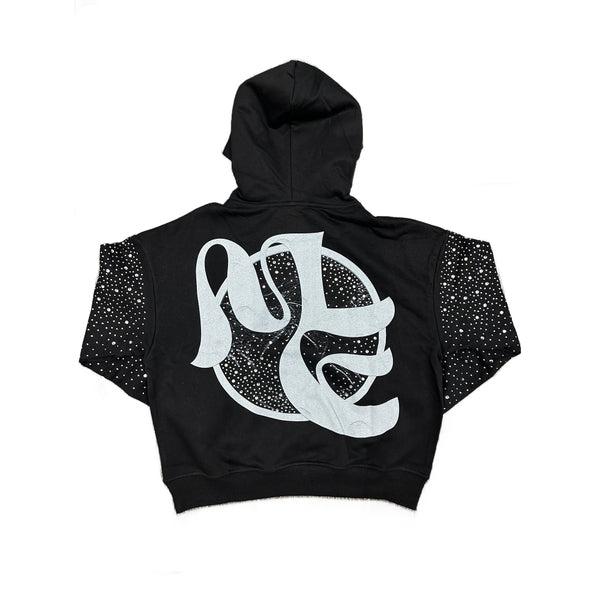
Fashion has always been more than just fabric and stitching—it is a powerful form of self-expression, reflecting not only cultural trends but also human emotions. Over time, clothing has evolved from purely functional attire to a medium that communicates identity, mood, and even inner conflict. In today’s fashion landscape, the idea of mixed emotions has become a defining theme, influencing how designers create and how individuals dress. This concept represents the blending of contrasting feelings—joy and sadness, confidence and vulnerability—translated into visual style.
The rise of mixed emotions clothing marks a shift in how people engage with fashion. No longer confined to a single aesthetic or message, clothing now embraces complexity. It tells layered stories through design, combining elements that may seem contradictory at first glance but ultimately create something deeply relatable and human.
Early Foundations: Emotion in Traditional Dress
Historically, clothing has always carried emotional significance, even if it wasn’t explicitly labeled as such. In ancient and traditional societies, colors, patterns, and garments symbolized feelings and social states. Mourning attire, for instance, often featured dark, subdued tones to reflect grief, while celebratory clothing embraced vibrant hues and intricate designs.
Although these expressions were more structured and culturally defined, they laid the groundwork for emotional storytelling in fashion. However, the idea of blending contrasting emotions within a single outfit was not yet prominent. Clothing typically represented a clear, singular message rather than a mix of sentiments.
The Rise of Individual Expression
The shift toward emotional complexity in fashion began during the 20th century, particularly in the post-war era. As societies experienced rapid change, people started using clothing as a way to assert individuality. Subcultures emerged, each expressing unique attitudes and emotions—sometimes rebellious, sometimes introspective.
In the 1960s and 1970s, counterculture movements challenged traditional norms. Fashion became experimental, combining elements of protest, freedom, and artistic expression. This era introduced the idea that clothing could reflect conflicting emotions—hope for change mixed with frustration, or peace intertwined with defiance.
The 1980s and 1990s pushed this even further. Grunge fashion, for example, embodied a blend of apathy and authenticity. Oversized silhouettes, distressed fabrics, and muted tones conveyed a sense of disillusionment while still maintaining a strong identity. This marked a significant step toward what we now recognize as emotionally layered fashion.
Streetwear and Emotional Duality
The emergence of streetwear in the late 20th century played a major role in shaping mixed emotional aesthetics. Rooted in urban culture, skateboarding, and hip-hop, streetwear naturally embraced contradictions. It combined luxury with casual wear, bold graphics with minimalism, and confidence with rebellion.
Streetwear gave individuals the freedom to mix styles and messages. A single outfit could express pride and struggle, humor and seriousness, or nostalgia and innovation. This blending of emotional tones became a defining feature of modern fashion.
As streetwear gained global popularity, it influenced high fashion as well. Designers began incorporating street-inspired elements into their collections, further blurring the lines between different emotional expressions. The runway became a space where opposing ideas could coexist, reflecting the complexity of contemporary life.
The Role of Graphics and Messaging
One of the most visible aspects of mixed emotions clothing is the use of graphics and text. Slogans, symbols, and imagery often carry layered meanings, allowing wearers to communicate multiple feelings at once. A garment might feature bold, uplifting visuals paired with darker undertones, creating a sense of contrast.
This approach resonates with modern audiences, especially younger generations who value authenticity and emotional honesty. In a world where people are more open about mental health and personal struggles, fashion has become a way to express those realities.
Graphics also make fashion more interactive. They invite interpretation, encouraging others to engage with the message behind the clothing. This dynamic adds depth to the overall experience, turning garments into conversation starters.
Digital Culture and Emotional Complexity
The digital age has significantly accelerated the evolution of mixed emotions in fashion. Social media platforms allow individuals to curate their identities while also revealing glimpses of vulnerability. This duality—presenting a polished image while acknowledging imperfections—has influenced how people dress.
Fashion brands have responded by creating pieces that reflect this balance. Collections often feature contrasting elements, such as soft fabrics paired with bold prints or structured designs combined with relaxed fits. These combinations mirror the emotional complexity of modern life.
Additionally, digital culture has made fashion more accessible and inclusive. People from different backgrounds can share their styles and interpretations, contributing to a diverse and ever-changing landscape. This exchange of ideas has further enriched the concept of emotionally driven fashion.
High Fashion Embraces the Trend
What started as a grassroots movement has now been embraced by high fashion. Designers are increasingly exploring themes of duality and contradiction in their work. Runway shows often tell stories that blend opposing emotions, using clothing as a narrative tool.
This shift reflects a broader change in the industry. Fashion is no longer just about aesthetics—it’s about meaning. Consumers are looking for pieces that resonate on a deeper level, and designers are responding by creating collections that reflect real human experiences.
The incorporation of mixed emotions into high fashion also highlights its universal appeal. Regardless of cultural or social background, everyone experiences complex feelings. This shared human experience makes the trend both relatable and enduring.
The Psychology Behind Mixed Emotions Clothing
The popularity of emotionally layered fashion is closely tied to psychology. People are naturally drawn to things that reflect their inner experiences. Clothing that captures multiple emotions allows individuals to feel seen and understood.
Wearing such pieces can also be empowering. It gives people the freedom to embrace their complexity rather than conform to a single identity. This aligns with the growing emphasis on self-acceptance and authenticity in modern society.
Moreover, mixed emotions clothing encourages creativity. It challenges traditional ideas of coordination and harmony, inviting wearers to experiment and express themselves in unique ways.
The Future of Emotional Fashion
As fashion continues to evolve, the influence of mixed emotions is likely to grow even stronger. Advances in technology, such as smart fabrics and digital design tools, may open new possibilities for emotional expression. Clothing could become even more interactive, responding to the wearer’s mood or environment.
Sustainability is another factor shaping the future. As consumers become more conscious of their choices, they are seeking meaningful, long-lasting pieces. Emotionally resonant clothing fits this demand, as it goes beyond trends and creates lasting connections.
The future of fashion will likely be defined by its ability to reflect the full spectrum of human experience. Mixed emotions clothing represents a step in that direction, offering a more nuanced and inclusive approach to style.
Conclusion
The evolution of mixed emotions in fashion history reflects a broader shift toward authenticity and self-expression. From traditional garments with symbolic meanings to modern designs that embrace complexity, clothing has become a powerful medium for storytelling.
Today, mixed emotions clothing stands as a testament to how far fashion has come. It celebrates individuality, acknowledges the depth of human experience, and challenges the idea that style must fit into a single category. As the industry continues to evolve, one thing is clear: fashion will always be a reflection of who we are—and sometimes, that means embracing every emotion at once.