Visiting the Taj Mahal: Crowds, Timing, and the Quest for Solitude
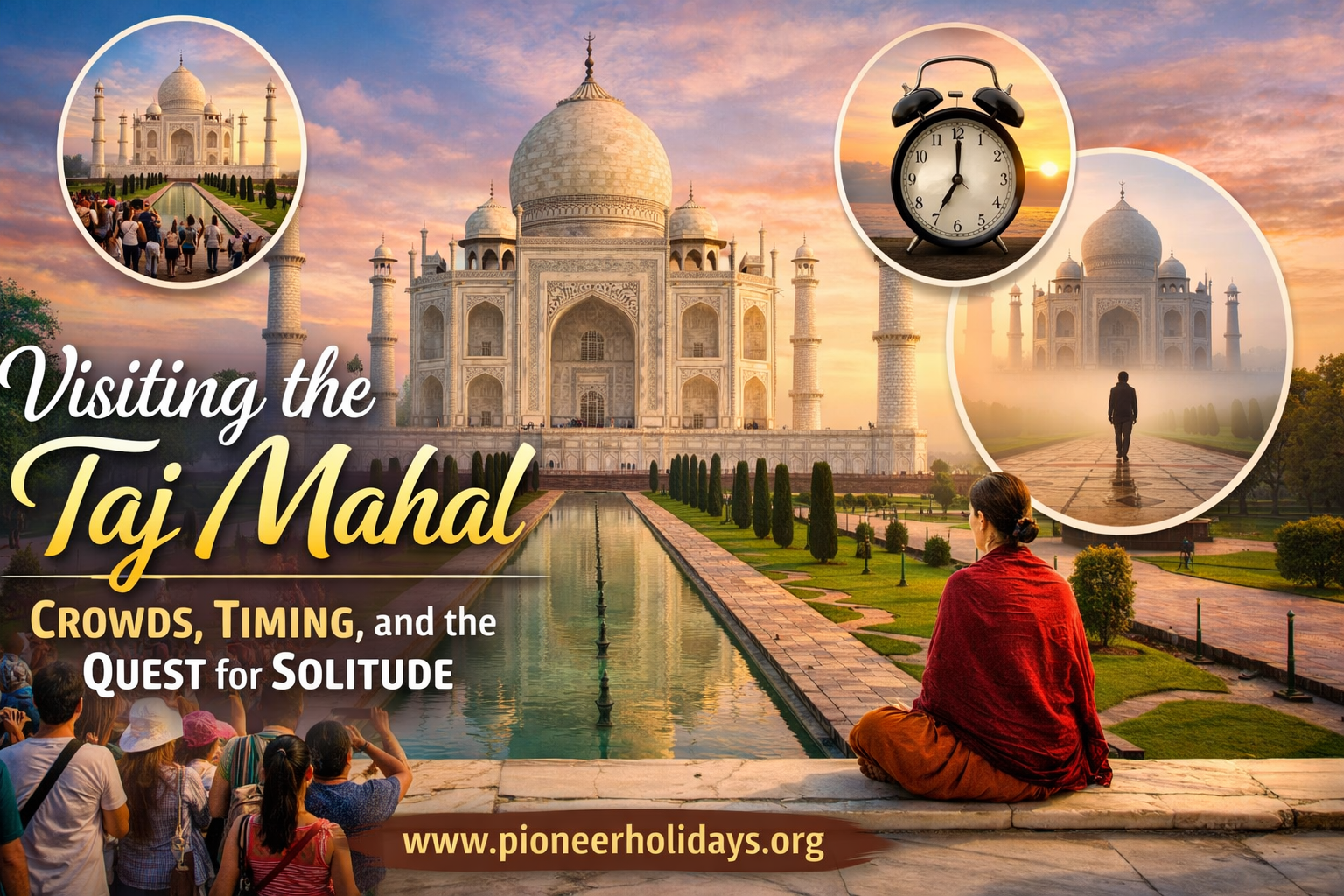
Introduction
Imagine standing before the Taj Mahal at dawn, its marble facade glowing like a dream woven from moonlight. This iconic mausoleum isn't just a monument—it's a love story etched in stone. Built by Emperor Shah Jahan in the 17th century for his beloved Mumtaz Mahal, the Taj draws over 8 million visitors yearly, blending Mughal grandeur with timeless romance. Yet, amid the throngs of tourists, finding solitude can feel like chasing a mirage in the Agra heat.
In this guide, we'll dive deep into navigating crowds that swell like the Yamuna River during peak season. From the best times to visit for that elusive quiet moment to insider tips on dodging the masses, you'll learn how to craft a serene experience. Whether you're planning a one day Taj Mahal tour from Delhi or a longer adventure, these strategies ensure your visit feels personal, not packed.
As a seasoned traveler who's wandered these gardens multiple times, I've felt the magic—and the mayhem. Solitude at the Taj isn't luck; it's strategy. Let's uncover how to time it right.
Understanding the Crowds at the Taj Mahal
The Taj Mahal's popularity stems from its UNESCO World Heritage status and photogenic perfection, but it also breeds relentless crowds. Picture selfie sticks clashing like swords in a Mughal battlefield. Peak seasons from October to March see daily footfalls exceeding 40,000, especially weekends and holidays.
Peak vs. Off-Peak Seasons
Crowds peak during cooler months when India's winter tourism surges. Here's a quick breakdown:
This table reveals summer as your secret weapon for empty frames. Data from the Archaeological Survey of India (ASI) shows visitor dips by 70% in June compared to December.
Daily Crowd Patterns
Mornings erupt with tour groups by 9 AM, while evenings fill with sunset chasers. Avoid the midday crush—it's when the site feels like a global bazaar. Weekdays offer breathing room over weekends, and Fridays close the main mausoleum for prayers, thinning pathways.
Best Times to Visit for Fewer Crowds
Timing is your greatest ally in the quest for solitude. Dawn breaks not just the sky, but the crowd barrier too. Arrive before opening to beat the buses.
Sunrise: The Golden Hour Magic
Gates unlock at 30 minutes before sunrise (around 6 AM in winter). As the first rays kiss the minarets, you'll own the reflection pools. This fleeting window—first 45 minutes—delivers ethereal light and near-empty grounds. Pro tip: Book Pioneer Holidays for seamless pre-dawn transfers from Delhi.
Weekday Wonders and Holiday Traps
Opt for Tuesdays through Thursdays; Mondays close for maintenance. Steer clear of Diwali, Holi, or Republic Day—crowds triple overnight. My 2025 visit on a rainy Wednesday in August felt like a private audience with Shah Jahan.
Shoulder Hours and Night Views
Post-4 PM, groups dwindle as day-trippers depart. Full moon nights (five per month) open till 10:30 PM with floodlit splendor. Moonlight transforms the Taj into a spectral symphony, crowds be damned.
Strategies for Maximum Solitude
Solitude demands deliberate moves beyond timing. Think like a shadow: slip in unnoticed, linger unseen.
-
Enter via lesser-known gates: Use the Eastern Gate for quicker access; it's less mobbed than the main South Gate.
-
Explore peripheral paths first: Circle the gardens counterclockwise to avoid the direct mausoleum queue.
-
Visit the mosque or guest house: These symmetric structures offer identical views with zero lines.
-
Time your mausoleum entry: Slip in during the 11 AM-2 PM lull when heat scatters casual visitors.
These hacks turned my chaotic trip into a meditative retreat. Pair with noise-cancelling headphones for immersive peace.
Off-the-Beaten-Path Spots
Venture to the Yamuna River viewpoint behind the Taj for unobstructed panoramas. Here, the river's whisper drowns out distant chatter. Or, climb the small mound near the exit for elevated, crowd-free vistas—perfect for contemplation.
Weather's Role in Crowd Control
Agra's climate swings wildly, influencing both crowds and comfort. Summer heat is a crowd repellent, but hydrate like a camel. Winters bring fog that softens edges but delays openings.
Monsoon Serenity
July-September rains greened the charbagh gardens like an emerald carpet. Puddles mirror the dome flawlessly, with crowds halved by showers. Umbrellas create natural bubbles of space.
Foggy Winter Mornings
December-January fog can obscure views till 10 AM, deterring early birds. Patience through the mist rewards crystalline reveals. Check apps like AccuWeather for real-time updates.
Combining with Golden Triangle Itineraries
For Delhi-based explorers, integrate the Taj into a one day Taj Mahal tour from Delhi without the frenzy. Efficiency meets enchantment in these curated escapes.
-
Start at 3 AM from Delhi for 6 AM arrival.
-
Loop back by evening, hitting Agra Fort en route.
-
Extend to Jaipur for a three-day Golden Triangle bliss.
This rhythm sidesteps peak overlaps seamlessly.
Practical Tips for a Tranquil Visit
Preparation elevates peace. Pack light: water bottle, hat, comfy shoes—no backpacks inside.
Photography Without the Swarm
Use wide-angle lenses for crowd-minimizing shots. Golden hour apps predict perfect light angles. Drones are banned, but tripods work in designated zones.
Health and Comfort Hacks
Agra's dust demands masks; stay fueled with local markets' fresh fruits. Solitude thrives when you're not wilting in the heat.
Common Mistakes to Avoid
Tourists flock to the obvious, amplifying chaos. Don't queue at sunrise central—flank the edges instead. Skipping water breaks or ignoring closure schedules invites frustration.
Conclusion
Visiting the Taj Mahal amid crowds tests your resolve, but with smart timing and strategies, solitude becomes your story's quiet hero. From dawn's hush to moonlit glows, these insights transform a bucket-list checkmark into a soul-stirring memory. Whether chasing shadows in summer or mist in winter, the Taj rewards the patient seeker. Plan your journey thoughtfully—book early with trusted locals like Pioneer Holidays—and let the monument's whisper speak to you alone. Your serene Taj awaits; seize the silence.
FAQ
When is the best time to visit the Taj Mahal for no crowds?
Sunrise on weekdays in summer (April-June) offers the emptiest experience. Gates open 30 minutes before dawn; arrive by 5:30 AM.
Is the Taj Mahal open every day?
No, it's closed on Fridays and Mondays for maintenance. Plan around these for peak solitude.
How early should I arrive for a crowd-free visit?
Aim for 45 minutes before opening. Pre-booking one day Taj Mahal tour from Delhi ensures hassle-free early access.
Can I visit the Taj Mahal at night?
Yes, during full moon nights (five days monthly). Gates close at 10:30 PM; fewer than 500 visitors nightly.
What's the crowd situation during monsoons?
Moderate, with rains thinning numbers. July-September gardens bloom vibrantly, crowds drop 50%.
Are there any tips for solo travelers seeking peace?
Yes—use Eastern Gate, explore side structures first. Contact Pioneer Holidays for tailored quiet itineraries.
Categorias
Leia Mais
The Polypropylene Pneumatic Diaphragm Pump is designed for handling corrosive and acidic fluids with minimal maintenance. Its chemical resistance comes from polypropylene, which naturally resists hydrochloric acid, sulfuric acid, and other harsh chemicals. Unlike metal pumps that corrode over time, this pump provides durability, reducing downtime and replacement costs. Chemical Resistance...

Sticky air. Strong sun. Sweat that never seems to stop. Florida’s humid climate can be rough on skin. Many teens and adults notice breakouts, dark spots, or dull texture that just will not improve. This guide explains how chemical peel treatment florida options help manage common skin issues caused or worsened by humidity. It also explains why this option is considered a non-invasive...

The HVAC Linset market is undergoing substantial evolution as businesses and households increasingly seek efficient climate control systems. Rising urban populations, expansion of commercial real estate, and a heightened focus on indoor air quality are accelerating the demand for HVAC Linset solutions globally. Governments’ push for energy-efficient technologies and sustainability...

Polaris Market Research has announced the latest report, namely Oil and Gas Descaler Market Share, Size, Trends, Industry Analysis Report, By Type (Hydrochloric Acid, Acetic Acid, Citric Acid, Barium Sulfate, Calcium Sulfate, Magnesium Sulfate, Strontium Sulfate, and Others); By Form; By Region; Segment Forecast, 2023 - 2032, that examines the overall market condition both now and in the...
Federal Government Cybersecurity Regulation: Evolution and Challenges The 2002 Federal Information Security Act marked a significant turning point in government cybersecurity awareness, compelling previously disinterested agencies to take information security seriously. However, nearly two decades later, many stakeholders are questioning whether this framework remains effective for today's...