Why Tool Balance Matters When Using Endmills in CNC Machines
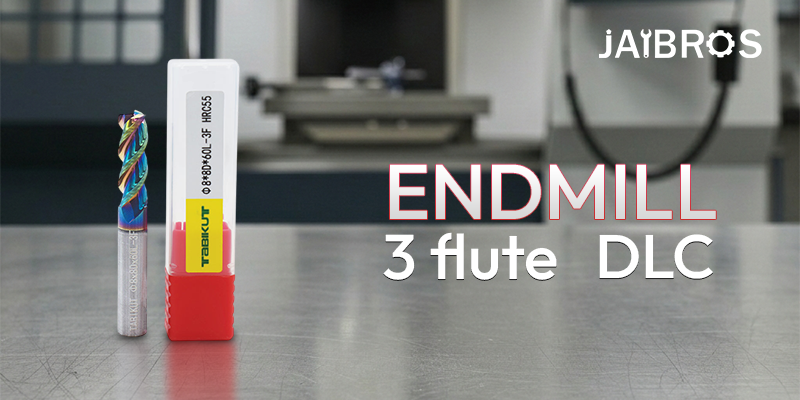
Understanding Tool Balance in CNC Milling Operations
In modern CNC machining, achieving precision and efficiency depends on many factors such as machine setup, cutting parameters, tool material, and tool balance. Among these factors, tool balance is often overlooked, even though it plays a major role in machining performance. When cutting tools rotate at high speeds, even a small imbalance can lead to vibration, poor surface finish, and faster tool wear.
In milling operations, endmills are widely used to remove material and shape components with high accuracy. However, if the tool holder or cutting tool is not properly balanced, it can affect the stability of the machining process. This issue becomes even more critical in high-speed machining, where tools rotate at thousands of revolutions per minute.
Understanding why tool balance matters can help machinists improve cutting performance, extend tool life, and achieve better machining results. This article explains the importance of tool balance, how it impacts CNC operations, and how manufacturers can maintain proper balance during machining.
Understanding Tool Balance in CNC Machining
Tool balance refers to the even distribution of weight around the rotating axis of a cutting tool. When a tool rotates at high speed, any imbalance can create centrifugal forces that cause vibration.
In CNC milling operations, cutting tools rotate at extremely high speeds. If the tool assembly is not balanced properly, the machine may experience:
-
Excess vibration
-
Poor surface finish
-
Reduced machining accuracy
-
Increased wear on the cutting tool
For this reason, machinists must ensure that the cutting tool, tool holder, and spindle are balanced correctly before machining begins. Since endmills are often used for high-precision operations, maintaining proper balance is essential for achieving consistent results.Effects of Poor Tool Balance
1. Increased Vibration
One of the most common problems caused by poor tool balance is vibration. When a tool is not balanced correctly, it creates oscillations during rotation.
These vibrations can negatively impact machining performance and may even damage machine components. Vibration also reduces the effectiveness of endmills during cutting operations, resulting in inconsistent machining results.
2. Reduced Surface Finish Quality
Surface finish is an important factor in CNC machining, especially in industries like aerospace, automotive, and mold manufacturing.
An imbalanced tool assembly can cause uneven cutting forces, which lead to rough surfaces on the machined part. Even high-quality carbide endmills may struggle to produce smooth finishes if the tool system is not properly balanced.
3. Faster Tool Wear
Cutting tools are designed to withstand high temperatures and cutting forces. However, excessive vibration caused by imbalance can increase stress on the tool edges.
This stress causes faster wear and can shorten the life of cutting tools. Maintaining proper balance helps protect endmills from premature damage and ensures longer operational life.
4. Reduced Machining Accuracy
Precision is one of the biggest advantages of CNC machining. However, poor tool balance can compromise accuracy by causing tool deflection and inconsistent cutting paths.
When this happens, the final part may not meet the required dimensional tolerances. Properly balanced endmills allow machinists to maintain consistent accuracy throughout the machining process.
Importance of Tool Holders in Maintaining Balance
The tool holder plays a crucial role in maintaining the balance of the cutting tool assembly. A high-quality tool holder ensures that the cutting tool is securely mounted and aligned with the spindle axis.
Different types of endmills require compatible tool holders to perform efficiently. For example, collet chucks, hydraulic holders, and shrink-fit holders are commonly used in CNC machining.
Selecting the right tool holder ensures that types of endmills operate smoothly and maintain stability during high-speed milling operations.
Role of Tool Material and Design
Tool material and design also influence machining performance and balance. High-performance cutting tools are manufactured with precise geometry and weight distribution.
Carbide endmills are widely used in modern CNC machining because they provide high rigidity and excellent wear resistance. Their solid structure allows them to maintain stability even under demanding cutting conditions.
Because of their strength and durability, carbide endmills are ideal for high-speed machining environments where tool balance is critical.
Precision Machining with Micro Tools
As industries move toward miniaturization, many manufacturers now produce extremely small and detailed components. In these applications, precision becomes even more important.
Micro endmills are designed for machining tiny features and delicate components. These tools require extremely precise balance because even minor vibrations can damage the tool or the workpiece.
For industries such as electronics and medical manufacturing, micro endmills are essential for producing high-precision parts with intricate details.
Best Practices for Maintaining Tool Balance
To achieve optimal machining performance, machinists should follow several best practices for maintaining tool balance.
Use High-Quality Tool Holders
Always select precision tool holders designed for high-speed CNC machining.
Check Tool Assembly Alignment
Ensure that the tool is mounted correctly and aligned with the spindle axis.
Maintain Clean Tool Interfaces
Dirt or debris between the tool holder and spindle can cause an imbalance.
Use Proper Cutting Parameters
Selecting the correct cutting speed and feed rate improves tool stability.
Regular Tool Inspection
Inspect tools regularly for wear, damage, or imbalance before machining.
By following these practices, machinists can ensure that every cnc tool performs efficiently and delivers consistent results.
Benefits of Proper Tool Balance
Maintaining proper balance during machining offers several advantages.
Improved Surface Finish
Balanced cutting tools produce smoother and more accurate surfaces.
Longer Tool Life
Reduced vibration minimizes wear and extends tool lifespan.
Higher Machining Accuracy
Balanced tools ensure consistent dimensional precision.
Better Machine Performance
Reduced vibration protects machine components and improves reliability.
These benefits highlight why endmills must always be used with properly balanced tool assemblies.
Conclusion
Tool balance is a critical factor in CNC machining that directly affects cutting performance, tool life, and part quality. When cutting tools rotate at high speeds, even small imbalances can lead to vibration, reduced accuracy, and premature tool wear.
By ensuring proper balance in the cutting tool assembly, machinists can improve machining stability and achieve better results. From selecting high-quality tool holders to using precision cutting tools, every step contributes to a more efficient machining process.
Because of their versatility and importance in milling operations, endmills remain one of the most widely used cutting tools in CNC manufacturing. When combined with proper tool balance and machining practices, they help manufacturers achieve high productivity and precision in modern CNC machining.
FAQs
1. Why is tool balance important in CNC machining?
Tool balance prevents vibration, improves surface finish, and increases machining accuracy during high-speed cutting operations.
2. How does poor tool balance affect machining performance?
Poor balance can cause vibration, faster tool wear, reduced accuracy, and rough surface finishes on machined parts.
3. Why are carbide cutting tools widely used in CNC machining?
Carbide endmills are durable, heat-resistant, and capable of handling high-speed machining operations efficiently.
4. Where are micro cutting tools commonly used?
Micro endmills are commonly used in electronics, medical device manufacturing, and precision engineering industries.
5. How can machinists maintain proper tool balance?
Using precision tool holders, maintaining clean tool interfaces, and inspecting tools regularly can help maintain proper balance.
About Jaibros
Jaibros is a trusted supplier of industrial cutting tools and machining solutions for modern manufacturing industries. The company provides high-quality tooling products designed for precision and durability in CNC machining environments. With a focus on innovation and performance, Jaibros offers reliable solutions that support machinists and manufacturers in achieving efficient and accurate production processes.
Κατηγορίες
Διαβάζω περισσότερα
Introduction Searching for Kheloyar App Download? The truth is that the majority of users do not fail to download the app, but they aren't able to choose the correct source. Telegram links as well as random APK websites as well as "mod apps" are the most dangerous traps currently. If you're looking to have a secure, reliable, secure, and working installation, this guide will show exactly the...

"Asia-Pacific Active Medical Implantable Devices Market Summary: According to the latest report published by Data Bridge Market Research, the Asia-Pacific Active Medical Implantable Devices Market The Asia-Pacific Active Medical Implantable Devices Market size was valued at USD 5.06 billion in 2025 and is expected to reach USD 11.83 billion by 2033, at a CAGR...
Planning an event in Thousand Oaks, CA, requires attention to detail, from the guest list to the venue, catering, and entertainment. But one factor that is often overlooked until the last minute is transportation. Getting people to and from the event smoothly is crucial for a positive experience. This is where events transportation services near Thousand Oaks, CA come into play. With...

global Display Backlighting Market was valued at USD 2268 million in 2024 but is forecast to decline to USD 1676 million by 2032, exhibiting a negative compound annual growth rate (CAGR) of -4.3% during the forecast period. This contraction, detailed in a comprehensive new analysis from Semiconductor Insight, is primarily driven by the swift technological transition from LCD to OLED and...
BankSouth FIS core banking platform for AI-powered banking transformation signals a major step forward in digital banking modernization, as BankSouth selects FIS to enhance its core banking infrastructure and support future AI-driven financial services. The partnership is designed to improve operational efficiency, customer experience, and digital banking capabilities while enabling the...