How AI Forecasting and Injury Tracking Tools Are Changing the Way We Understand K-Sports

K-sports has always evolved quickly, but the current shift feels different. It’s not just about faster gameplay or sharper strategies—it’s about how decisions are made behind the scenes.
Think of it like navigation apps.
You don’t just drive anymore; you follow predicted routes based on traffic patterns. In the same way, teams are no longer relying only on instinct—they’re using data and predictive systems to guide choices.
This shift is turning preparation into a science, not just an art.
What AI Forecasting Actually Does
AI forecasting sounds complex, but the idea is simple. It uses past patterns to estimate what might happen next.
Imagine watching hundreds of past matches at once.
AI systems analyze player behavior, team tendencies, and situational outcomes to predict likely scenarios. These predictions don’t guarantee results, but they improve decision-making.
When applied to AI in sports strategy, forecasting helps teams prepare for opponents more precisely. Instead of guessing, they can anticipate patterns and adjust plans ahead of time.
You’re not predicting the future—you’re reducing uncertainty.
How Injury Tracking Is Becoming More Proactive
Injury tracking used to focus on recovery after something went wrong. Now, the focus is shifting toward prevention.
It’s about early signals.
By monitoring movement patterns, workload, and physical stress, teams can identify risks before injuries occur. Small changes—like reduced movement efficiency or uneven strain—can signal potential problems.
This allows for adjustments in training or rest before damage happens. It’s similar to noticing a warning light in a car—you act early instead of waiting for a breakdown.
The goal is fewer interruptions and longer performance stability.
How These Tools Work Together
AI forecasting and injury tracking aren’t separate systems. They often complement each other.
One predicts performance.
The other protects it.
For example, if a system predicts high-intensity play in upcoming matches, injury tracking data can help decide whether a player is ready for that load. This creates a balance between performance goals and physical limits.
Together, they form a feedback loop—one informs strategy, the other ensures sustainability.
What This Means for Teams and Coaches
For teams, these tools change how preparation works. Planning becomes more detailed, and adjustments happen faster.
Decisions become more informed.
Coaches can rely on data to support their instincts rather than replace them. This combination often leads to better outcomes than using either approach alone.
However, there’s a learning curve. Understanding how to interpret data—and when to trust it—becomes a key skill.
How Media and Fans Are Adapting
These changes aren’t limited to teams. Media coverage and fan discussions are evolving as well.
Analysis is becoming deeper.
Platforms like sbnation often highlight how data-driven insights are shaping conversations around performance and strategy. Fans are starting to look beyond visible outcomes and consider underlying patterns.
This creates a more informed audience, but also raises expectations for transparency and explanation.
Limits and Challenges of New Technology
Despite the benefits, these tools aren’t perfect. Predictions can be wrong, and data can be incomplete.
Context still matters.
A model may not fully account for unexpected factors like psychological pressure or sudden strategic changes. That’s why human judgment remains essential.
There’s also the risk of over-reliance. If teams depend too heavily on data, they may lose flexibility or creativity.
Balance is key.
How to Understand These Changes Moving Forward
If you’re trying to follow K-sports more closely, start by focusing on how decisions are made—not just what happens.
Look for patterns.
Notice when teams adjust strategies or manage player workload. These moments often reflect the influence of underlying tools and data systems.
You don’t need technical expertise to see the impact. You just need to pay attention to the reasoning behind actions.
The next time you watch a match, ask yourself: what decisions were likely shaped before the game even began?
Catégories
Lire la suite
Benefits of Using Certification Exam Preparation Material Certification exams help people grow in their careers. They help you get better jobs. They also help you earn more money. Many students want to pass the CGEIT exam on the first attempt. This exam is offered by Isaca. However, exam preparation can feel difficult. There are many books to read and many topics to cover. This is why using...

Taking care of your teeth and gums is an important part of overall health. A healthy mouth helps you eat comfortably, speak clearly, and smile with confidence. Many people only visit a dentist when they feel pain, but regular dental care can prevent most oral problems before they become serious. Oral health services are widely available, and choosing the right dental clinic dubai residents...

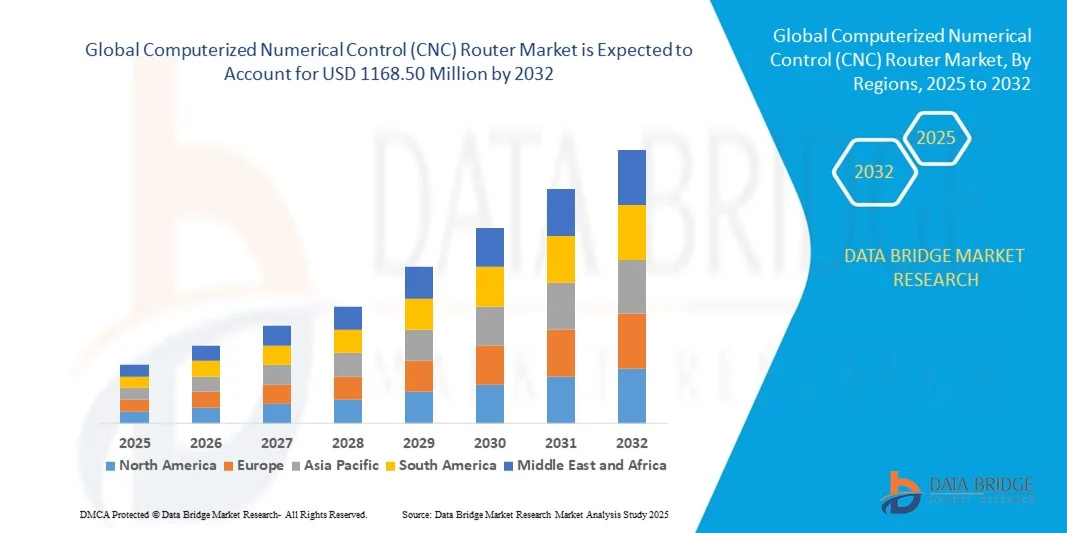
"Detailed Analysis of Executive Summary Computerized Numerical Control (CNC) Router Market Size and Share The global computerized numerical control (CNC) router market size was valued at USD 722.16 million in 2024 and is expected to reach USD 1168.50 million by 2032, at a CAGR of 6.2% during the forecast period The Computerized Numerical Control (CNC)...
Introduction Varanasi is one of India's ancient and religious cities having a flight of thousands of visitors, tourists and business as well, every year. Its hustling and bustling streets will require a dependable form of transportation to navigate through its popular destinations. Darbari Car Rental offers you reliable Varanasi cab rental and cab rental near you facilities which provide safe,...

The healthcare industry is rapidly embracing digital solutions, and with it, the demand for skilled professionals working remotely has grown. A virtual medical assistant is now an essential part of many clinics and hospitals, helping streamline administrative processes and improve patient care. But what does it take to be successful in this role? Let’s look at the training and skills...