Meal Prep Containers vs Commercial Food Packaging Supplies:

Meal Prep Containers vs Commercial Food Packaging Supplies Choosing the Best Solution for Your Food Needs:
Food packaging plays a crucial role in both commercial and home settings. From preserving freshness to improving presentation, selecting the right packaging can save time, reduce waste, and enhance the overall experience for consumers. Two popular solutions are meal prep containers and commercial food packaging supplies. While they serve different purposes, understanding their features, benefits, and applications can help you make the right choice.
What Are Meal Prep Containers?
Meal prep containers are reusable or disposable containers designed to store meals in portions, typically used for meal prepping, portion control, or storing leftovers. They come in various sizes and materials, such as plastic, glass, or BPA-free polypropylene.
Advantages of Meal Prep Containers:
- Portion Control: Ideal for individuals following diets or meal plans, helping maintain healthy eating habits.
- Time-Saving: Perfect for preparing meals in advance, reducing daily cooking stress.
- Versatile: Suitable for storing breakfast, lunch, dinner, and snacks, and often microwave and freezer safe.
- Eco-Friendly Options: Glass or high-quality reusable containers reduce single-use waste.
Disadvantages of Meal Prep Containers:
- Maintenance: Reusable containers need washing after every use, which can be inconvenient.
- Initial Investment: High-quality containers may be more expensive upfront compared to disposable ones.
- Space Considerations: Multiple containers require proper storage in cabinets or refrigerators.
What Are Commercial Food Packaging Supplies?
Commercial food packaging supplies include a wide range of materials used by restaurants, caterers, and food delivery services to package, store, and transport food. Examples include takeaway boxes, cups, bags, aluminum trays, plastic wraps, and labeling supplies.
Advantages of Commercial Food Packaging Supplies:
- Professional Presentation: Ensures food looks appealing to customers while maintaining hygiene standards.
- Variety: Offers specialized packaging for hot, cold, dry, or liquid foods.
- Convenience: Designed for bulk use, saving time in commercial kitchens.
- Branding Opportunities: Packaging can be customized with logos, colors, or messaging to enhance brand recognition.
Disadvantages of Commercial Food Packaging Supplies:
- Environmental Impact: Many commercial packaging options, especially plastics, contribute to waste if not recycled.
- Cost for High-Quality Materials: Premium or custom-branded packaging can be expensive.
- Storage Needs: Large quantities require significant storage space in commercial kitchens.
Choosing Between Meal Prep Containers and Commercial Food Packaging Supplies
The choice depends on your needs, whether for personal use or business operations.
For Individuals:
- Meal Prep Containers are perfect for home use, allowing organized, portioned meals that save time and maintain freshness.
- Disposable options are convenient for people who don’t want to wash containers regularly.
For Businesses:
- Commercial Food Packaging Supplies are essential for restaurants, cafes, and catering services. They ensure food stays fresh, safe, and visually appealing during transport or delivery.
- Meal prep containers can also be offered to customers for subscription meal services or takeaway meals, combining convenience with portion control.
Tips for Effective Food Packaging
- Prioritize Sustainability: Use recyclable or biodegradable materials whenever possible.
- Choose the Right Size and Material: Ensure containers match the type and quantity of food to prevent spills or spoilage.
- Maintain Hygiene: Proper cleaning and storage extend the life of reusable containers and ensure food safety.
- Leverage Branding: Businesses can use custom labels, stickers, or packaging designs to enhance their brand image.
- Stack and Organize: Stackable meal prep containers and bulk packaging supplies save storage space at home or in commercial kitchens.
Conclusion
Both meal prep containers and commercial food packaging supplies play crucial roles in modern food storage, preparation, and delivery. Meal prep containers excel in home organization, portion control, and reducing daily meal prep stress, while commercial packaging supplies are essential for businesses aiming to maintain hygiene, present food professionally, and transport meals safely.
Choosing the right packaging solution depends on your lifestyle, business needs, and environmental priorities. By combining reusable meal prep containers for home use with efficient commercial packaging supplies for businesses, you can optimize convenience, freshness, and sustainability simultaneously.
FAQs
Q1: Are meal prep containers safe for microwaves and freezers?
Most high-quality containers are microwave and freezer safe, but always check the manufacturer’s instructions for best results.
Q2: Can commercial food packaging supplies be eco-friendly?
Yes. Many suppliers now offer biodegradable, compostable, or recyclable options, including paper trays, plant-based plastics, and kraft boxes.
Q3: How do I prevent leaks in meal prep containers?
Choose containers with airtight lids and make sure they are properly sealed before storing liquids or saucy meals.
Q4: Can businesses customize commercial food packaging supplies?
Absolutely. Restaurants and caterers can print logos, branding, or designs on boxes, cups, and bags to enhance customer recognition.
Q5: How should I store unused meal prep containers or packaging supplies?
Stack containers neatly in cabinets or shelves, and keep packaging supplies dry and away from direct sunlight to maintain durability.
Categorias
Leia mais
Weightloss health is not just about reducing body weight—it is about improving overall wellness, boosting energy levels, and building long-term healthy habits that support the body and mind. Many people focus only on quick fat loss methods, but real success comes from a balanced lifestyle that includes proper nutrition, physical activity, mental well-being, and consistency. In...

The gaming world continues to showcase that superhero excitement remains alive and thriving, as evidenced by the success of Marvel Rivals and Dispatch. Both titles made a significant splash upon their release, earning high praise and capturing players' imaginations with innovative takes on superhero storytelling and gameplay. Their popularity suggests that combining these two franchises could...

In 2020, Netflix will become the new home for dinosaurs when the animated series Jurassic World: Camp Cretaceous arrives. ' This original series, produced by DreamWorks Animation, strands a diverse group of six teens on the perilous Isla Nublar. ' Their dream adventure camp quickly becomes a fight for survival, forcing them to bond as a family to outlast the prehistoric chaos. ' The series...

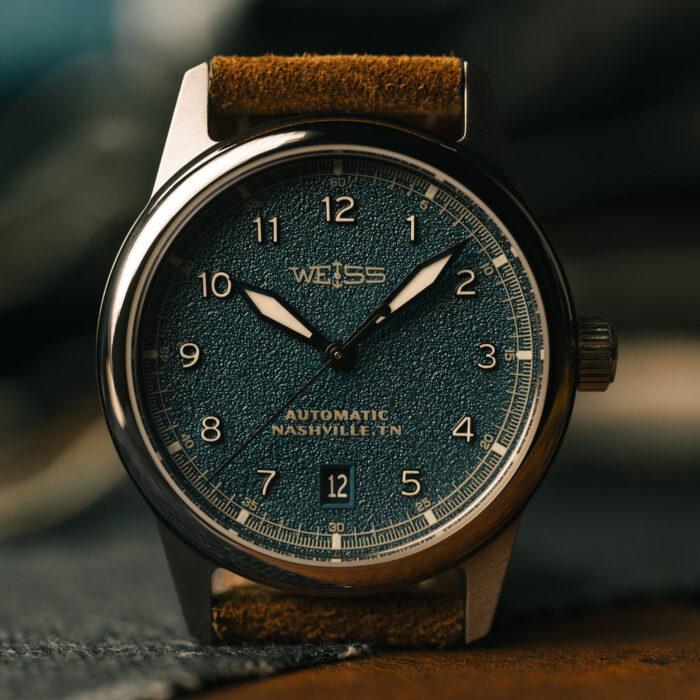
Weiss Watch and Weiss Watches: A Legacy of Craftsmanship In the world of horology, where precision and design come together, Weiss Watch and Weiss Watches represent a commitment to quality, tradition, and timeless style. Known for their clean aesthetics and reliable performance, these timepieces stand out as a symbol of true craftsmanship in an age of mass production. The...
Discover why a feeler gauge is essential for checking engine and machine clearances. Easy explanation of uses, types, and selection tips.. What Is a Feeler Gauge? A feeler gauge is a thin measuring tool made of small metal blades. Each blade has a specific thickness. These blades are usually made of hardened steel or stainless steel and are marked with their thickness value in millimeters (mm)...