Pet Dermatology: A Complete Guide to Skin Health in Animals?
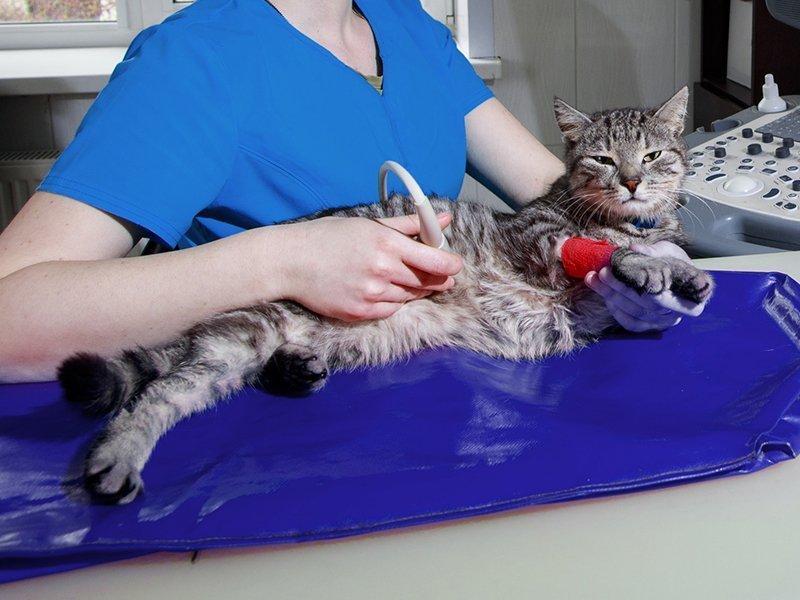
Healthy skin is essential for a pet’s overall well-being, as it acts as the first line of defense against infections and environmental factors. Many pet owners overlook skin problems until they become severe, but early attention can prevent long-term complications.
Pet dermatology focuses on diagnosing, treating, and preventing skin, coat, and nail disorders in animals. From allergies and infections to parasites and chronic conditions, proper dermatological care ensures pets remain comfortable and active. Understanding the importance of skin health helps pet owners take proactive steps to maintain their pets’ hygiene and overall quality of life.
Common Skin Conditions in Pet Dermatology
Skin conditions are among the most frequent health issues faced by pets. These conditions can range from mild irritations to severe infections that impact a pet’s comfort and behavior. Pet dermatology helps identify the root causes of these problems and provides effective treatments to restore skin health.
Recognizing early signs such as itching, redness, hair loss, or unusual odors is crucial. Timely diagnosis ensures that minor issues do not escalate into serious conditions, improving treatment outcomes and enhancing the pet’s overall well-being.
Allergies and Skin Irritations
Allergies are a leading cause of skin problems in pets. They can be triggered by food, environmental factors like pollen or dust, or flea bites. Symptoms often include excessive scratching, redness, and inflammation, which can lead to secondary infections if left untreated.
In pet dermatology, veterinarians conduct allergy testing to identify triggers and create personalized treatment plans. These may include dietary changes, antihistamines, medicated shampoos, or topical treatments to relieve symptoms and prevent recurrence.
Bacterial and Fungal Infections
Bacterial and fungal infections are common in pets, especially in warm or humid environments. These infections can cause symptoms such as rashes, scabs, hair loss, and unpleasant odors. Poor hygiene or underlying health issues often contribute to these conditions.
Accurate diagnosis through skin tests or laboratory analysis is essential in pet dermatology. Once identified, targeted treatments such as antibiotics or antifungal medications help eliminate the infection and restore healthy skin.
Parasites and Skin Infestations
Parasites like fleas, ticks, and mites can severely affect a pet’s skin health. Infestations often lead to itching, irritation, and hair loss, and may also cause allergic reactions in some pets.
Preventive measures are a key aspect of pet dermatology. Regular grooming, parasite control treatments, and maintaining a clean environment help protect pets from infestations. Early intervention ensures quick recovery and prevents further complications.
Diagnosis and Treatment in Pet Dermatology
Effective treatment begins with accurate diagnosis. Pet dermatology uses advanced diagnostic tools such as skin scrapings, biopsies, allergy tests, and laboratory analysis to identify the underlying cause of skin conditions.
These diagnostic methods provide detailed insights, allowing veterinarians to develop targeted treatment plans. Combining medical treatments with proper care ensures faster recovery and long-term skin health.
Medications and Topical Treatments
Medications play a vital role in treating skin conditions. Depending on the diagnosis, veterinarians may prescribe antibiotics, antifungals, or anti-inflammatory drugs to manage infections and reduce discomfort.
Topical treatments such as medicated shampoos, sprays, and ointments are also widely used in pet dermatology. These treatments help soothe irritation, promote healing, and improve the overall condition of the skin and coat.
Nutritional Support for Skin Health
Diet plays a significant role in maintaining healthy skin. Nutritional deficiencies can lead to dull coats, dryness, and increased susceptibility to infections. A balanced diet rich in essential fatty acids, vitamins, and minerals supports skin health.
Veterinarians often recommend specialized diets or supplements for pets with skin issues. Proper nutrition strengthens the immune system and helps prevent recurring dermatological problems, ensuring long-term wellness.
Preventive Care and Regular Monitoring
Prevention is better than cure, especially when it comes to skin health. Regular grooming, bathing, and hygiene practices help maintain clean and healthy skin. Routine veterinary checkups ensure early detection of potential issues.
In pet dermatology, preventive care also includes parasite control and environmental management. Monitoring changes in a pet’s behavior or appearance allows for timely intervention, reducing the risk of severe conditions.
Final Thoughts
Pet dermatology plays a crucial role in maintaining the health and comfort of animals. southwestanimalhospital.com By understanding common skin conditions and adopting preventive measures, pet owners can ensure their pets lead happy and healthy lives.
Early diagnosis and proper treatment not only relieve discomfort but also prevent long-term complications. Investing in regular dermatological care is essential for every pet owner who wants the best for their companion.
Nach Verein filtern
Read More
The global consumer goods and specialized "premium-aesthetic" landscape of early 2026 is defined by a rigorous focus on "sustainable-brilliance" and the maintenance of high-performance surface standards. Germany’s chrome plating market has emerged as a foundational technology in this environment, where the shift from hexavalent to Trivalent Chromium ($Cr(III)$) is accelerating. Valued for...

Transform Your Look with Leading Hair Transplants in Riyadh In 2026, the Saudi capital has solidified its position as a global leader in high-fidelity hair restoration. Seeking a Hair transplant in Riyadh(زراعة الشعر في الرياض) is no longer just about addressing baldness; it is about a complete aesthetic transformation using "high-fidelity" techniques that ensure the results are...

Agar Agar gum is a popular vegan alternative to gelatin, widely used in food, pharmaceuticals, and biotechnology. Derived from red algae, this gelling agent is known for its versatile properties, including its ability to create firm, transparent gels at lower concentrations than traditional gelatin. Agar Agar is not just a substitute for gelatin in vegan or vegetarian recipes, but it also...

Train Battery Market Size, Share, and Growth The global Train Battery Market has demonstrated consistent growth over recent years. According to industry estimates, the market is projected to reach approximately USD 769.24 million by 2030, growing at a CAGR of around 5.1% during the forecast period. Another analysis suggests that the market could grow from USD 275...

Discover why machine shops need a strong CNC tool inventory. Boost productivity, reduce downtime, and improve machining quality with the right tools and accessories. The Importance of a Well-Managed CNC Tool Inventory In today’s competitive manufacturing world, efficiency, speed, and accuracy are more important than ever. Whether a shop handles batch production, custom...