


Understanding the Real Path to Becoming a Pilot in India
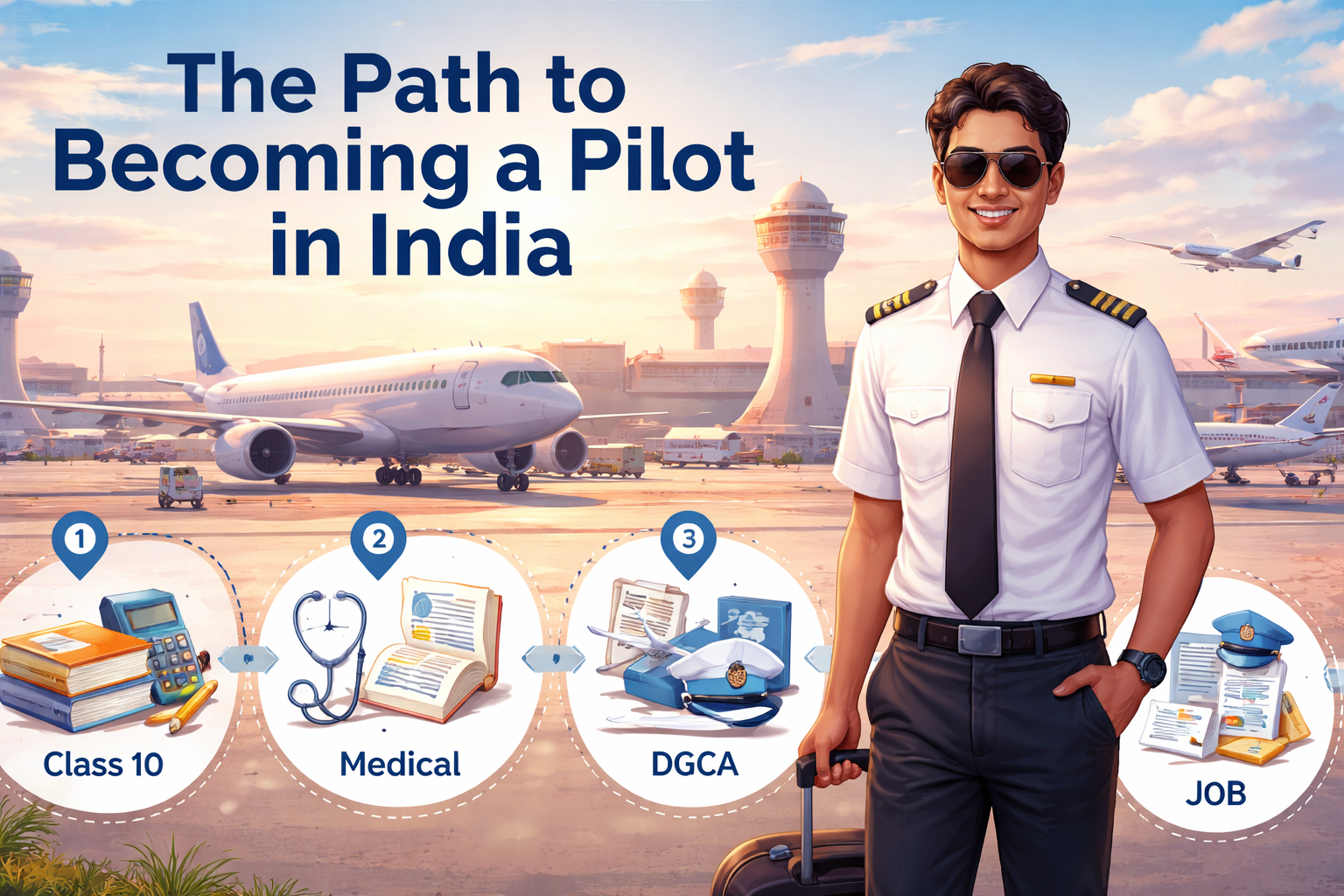
For many students, the idea of becoming a pilot starts early. It’s one of those careers that feels exciting, respected, and well-paying. But once families begin researching the process, they quickly realize that aviation is not as straightforward as it looks from the outside.
There’s a structured path, strict requirements, and a significant financial commitment. Understanding this early helps avoid confusion later.
The journey typically begins right after Class 10. While students from different streams can eventually enter aviation, choosing Physics and Mathematics in Class 11 and 12 makes things much smoother. These subjects are not just entry requirements, they form the foundation for key concepts like navigation, aerodynamics, and meteorology.
Students who skip this route can still become pilots through bridge programs like NIOS, but it usually adds extra time and effort.
Once a student completes Class 12, the next critical step is medical fitness. This is often overlooked, but it’s one of the most important filters in aviation. The Directorate General of Civil Aviation (DGCA) requires pilots to hold a Class 1 Medical Certificate. Without this, no amount of training or investment will lead to a flying career.
This is why experienced mentors always suggest doing the medical check before spending money on training.
After clearing medical requirements, students move into the training phase. This is where many families get confused between a degree and a license. A BSc in Aviation is an academic qualification, while a Commercial Pilot License (CPL) is what actually allows someone to fly professionally.
Airlines don’t hire based on degrees alone. They look at licenses, flying hours, simulator performance, and overall readiness.
This distinction is important because many students assume that completing a degree guarantees a job. In reality, the CPL is the core requirement, and everything else supports it.
Before receiving the CPL, students must clear a series of theory exams conducted by the DGCA. These include subjects like Air Navigation, Meteorology, Air Regulations, and Technical papers. This stage is often underestimated, but it’s where many delays happen.
Students who don’t prepare well end up repeating exams, which increases both time and cost. On the other hand, those who build strong fundamentals early tend to move faster through training.
If you’re looking for a structured breakdown of the entire process from eligibility to licensing, this guide explains it step by step: Click
Once training is completed, the next phase is entering the job market. This is where expectations often don’t match reality.
India is currently experiencing growth in aviation, with airlines like IndiGo, Air India, and Akasa Air expanding their fleets. This creates demand for pilots, but it doesn’t mean automatic hiring.
Airlines are selective. They look for candidates who perform well in simulator assessments, communicate clearly, and are operationally ready.
This creates a gap between getting a license and getting a job.
Most self-sponsored students experience a waiting period of around 6 to 12 months before landing their first role as a First Officer. During this time, they often prepare for interviews, simulator checks, and additional certifications like type rating.
Financial planning becomes important here. Training itself can cost anywhere between ₹35 to ₹60 lakhs or more, and income doesn’t start immediately after completion.
That’s why families need to plan not just for training costs, but also for the transition period.
Despite these challenges, aviation remains a strong long-term career option. Once a pilot starts flying commercially, the earning potential increases steadily with experience.
First Officers typically earn between ₹1.5 to ₹3 lakhs per month, while Captains can earn ₹5 lakhs to ₹10 lakhs or more, depending on the airline and experience level.
However, like any industry, aviation is not completely stable year-round. It is influenced by fuel prices, global events, and airline economics. Hiring cycles can fluctuate, which is why preparation and timing both matter.
Another common concern among parents is safety. While it’s natural to worry, modern aviation operates within highly regulated systems. Aircraft are designed with multiple redundancies, and pilots are trained extensively for emergency scenarios.
Safety in aviation is not dependent on luck. It’s built into procedures, systems, and continuous monitoring.
In the end, becoming a pilot is not about a single decision. It’s a series of informed choices made at different stages, from selecting the right subjects in school to preparing for exams, clearing medicals, and planning finances.
For students who are clear about their goal and willing to commit to the process, aviation offers a defined and rewarding career path.
For those who expect quick results without understanding the journey, it can become overwhelming.
The difference lies in clarity.
And the earlier that clarity comes, the smoother the journey becomes.
Categories
Read More
Polaris Market Research has published a brand-new report titled Cellular Foam Concrete Market Size, Share, Trends, & Industry Analysis Report: By Foaming Agent (Synthetic and Natural), By End Use, and By Region – Market Forecast, 2025–2034 that includes extensive information and analysis of the industry dynamics. The opportunities and challenges in the report's...

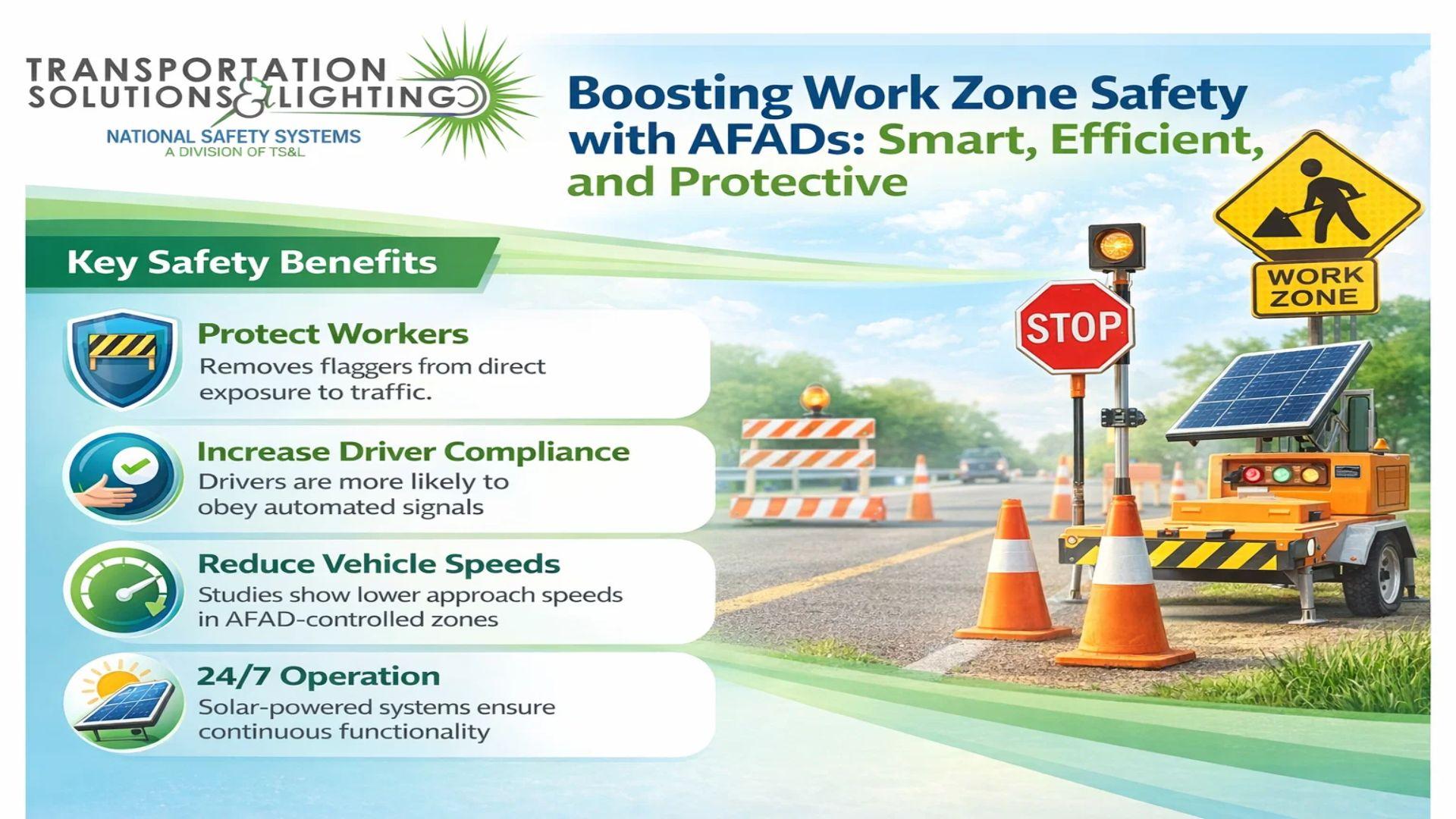
Work zones are among the most dangerous environments for both drivers and road workers. Every year, thousands of crashes occur in construction areas, often caused by distracted driving and poor visibility. To address these risks, transportation agencies are increasingly adopting Automated Flagger Assistance Devices (AFADs) — a smart solution that enhances safety, efficiency, and traffic...
Introduction Artificial intelligence (AI) workloads, particularly deep learning and large neural network training, have unique infrastructure requirements that traditional CPU-only systems struggle to meet. Modern AI frameworks rely on dense matrix operations, parallelized compute tasks, and high throughput memory access. As models grow in complexity and dataset sizes increase, the...

When it comes to senior living communities, success isn’t just about offering great care or beautiful amenities. It’s about connecting with the right families who are actively searching for a safe, trusted place for their loved ones. That’s where understanding senior living leads becomes essential. The way you approach these leads can completely change how...

Pelvic floor problems are more common than many people realise, affecting women at different stages of life. If you are searching for pelvic floor physiotherapy in London, Zyloh Physio offers specialised, evidence-based treatment to help you regain strength, confidence, and control. What Is Pelvic Floor Physiotherapy? Pelvic floor physiotherapy focuses on assessing and treating the...