


Struggling After a Crash? Understanding Car Accident PTSD

Car accidents don’t just leave physical damage they can also leave a lasting emotional impact. While injuries and repairs are often the first concerns, many people are surprised by how deeply a crash can affect their mental well-being. For some, the experience can lead to car accident PTSD, a condition that can linger long after the event itself.
If you’ve been in an accident and find yourself feeling anxious, fearful, or unsettled, you’re not alone. Understanding what’s happening and why can be the first step toward feeling like yourself again.
What Is Car Accident PTSD?
Car accident PTSD, or Post-Traumatic Stress Disorder, is a psychological response that can occur after experiencing or witnessing a traumatic event, such as a serious collision. While PTSD is often associated with extreme situations, even a relatively minor accident can trigger it in some individuals.
This condition doesn’t always appear immediately. In some cases, symptoms develop days or even weeks after the accident. It’s not a sign of weakness it’s your mind’s way of trying to process a stressful and frightening experience.
Common Symptoms to Watch For
The signs of car accident PTSD can vary from person to person, but they often include a mix of emotional and physical responses. Some people relive the accident through flashbacks or vivid memories, especially when driving or hearing sudden noises. Others may feel anxious at the thought of getting back behind the wheel.
Sleep disturbances are also common. You might find it hard to fall asleep or experience recurring dreams about the accident. Mood changes, such as irritability or feeling constantly on edge, can also occur.
In some cases, people begin avoiding anything that reminds them of the crash certain roads, driving altogether, or even riding in a car. While this avoidance might feel helpful in the short term, it can make recovery more difficult over time.
Why Do Car Accidents Trigger PTSD?
A car accident can be a sudden and overwhelming event. There’s often little warning, and the loss of control during the crash can leave a strong emotional imprint. Your brain registers the experience as a threat, and even after the danger has passed, it may continue reacting as if you’re still at risk.
This is why everyday situations like sitting in traffic or hearing brakes screech can trigger anxiety. Your mind is trying to protect you, even if the response feels out of proportion to the situation.
The Importance of Acknowledging Your Feelings
One of the biggest challenges with car accident PTSD is recognizing that it’s happening. Many people dismiss their symptoms, thinking they should “just move on” or that others have it worse.
But ignoring these feelings doesn’t make them disappear. In fact, it can make them more persistent. Acknowledging what you’re experiencing is an important step toward healing. It allows you to address the issue instead of pushing it aside.
Ways to Cope and Start Healing
Recovering from Car Accident PTSD takes time, but there are practical steps that can help ease the process. Talking about the experience with someone you trust can provide relief and perspective. Whether it’s a friend, family member, or therapist, sharing your thoughts helps reduce the emotional burden.
Gradual exposure can also be helpful. If driving feels overwhelming, start small perhaps sitting in a parked car, then taking short, familiar trips. This approach helps rebuild confidence at your own pace.
Relaxation techniques like deep breathing, mindfulness, or light exercise can also reduce anxiety levels. These methods help calm your nervous system and make it easier to manage stress triggers.
When to Seek Professional Help
While some people recover naturally over time, others may need additional support. If symptoms persist for several weeks or begin interfering with daily life, it may be time to consult a mental health professional.
Therapies such as cognitive behavioral therapy (CBT) are often effective in treating PTSD. A trained professional can help you process the trauma, develop coping strategies, and gradually reduce the intensity of your symptoms.
Seeking help is not a sign of failure it’s a proactive step toward regaining control and improving your quality of life.
Supporting Someone With Car Accident PTSD
If someone close to you is dealing with the emotional effects of a car accident, your support can make a real difference. Be patient and avoid pressuring them to “get over it.” Everyone processes trauma differently.
Encourage open conversation, listen without judgment, and offer reassurance. Sometimes, simply being present and understanding is more helpful than trying to provide solutions.
Moving Forward After the Experience
Healing from car accident PTSD doesn’t happen overnight. It’s a gradual process that looks different for everyone. Some days will feel easier than others, and that’s completely normal.
With time, support, and the right coping strategies, most people find that their symptoms lessen and their confidence returns. The goal isn’t to forget the experience entirely but to reach a point where it no longer controls your thoughts or actions.
Categorias
Leia mais
Cognitive radio is an intelligent wireless communication system that can automatically detect available channels in the wireless spectrum and dynamically change its transmission or reception parameters to optimize performance. It improves spectrum efficiency by allowing secondary users to access underutilized frequency bands without interfering with primary users, making it highly valuable for...

Introduction: Celebrating Achievement in Archery Archery is more than just a sport; it is a test of focus, precision, and skill. Whether it’s a local competition, a national tournament, or an international event, recognizing participants’ efforts is essential. Custom archery medals serve as tangible symbols of achievement, honor, and motivation. Choosing the right custom archery...

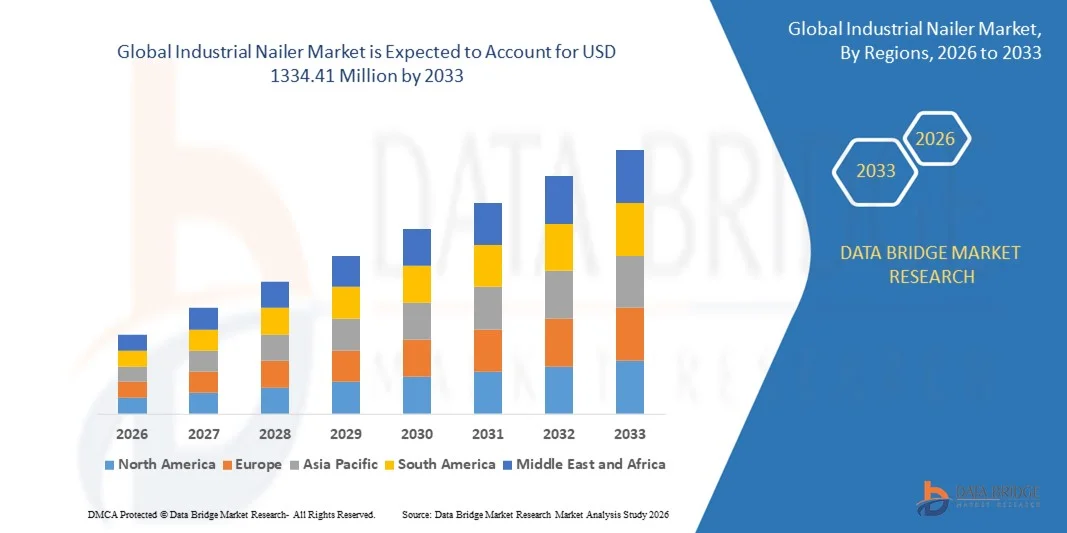
"Market Trends Shaping Executive Summary Industrial Nailer Market Size and Share CAGR Value The global industrial nailer market size was valued at USD 759.43 million in 2025 and is expected to reach USD 1334.41 million by 2033, at a CAGR of 7.30% during the forecast period A comprehensive analysis of the market structure along with the forecast of the...
In today’s evolving world of travel, pilgrims seek a balance between spirituality, comfort, and convenience when planning their sacred journey to Makkah and Madinah. The 5 star Umrah packages are designed to offer an exceptional experience, combining luxury services with spiritual fulfillment. Whether you’re traveling with family or individually, these packages provide everything...

For individuals exploring advanced therapies like the Mounjaro Injection in Dubai, finding accurate, medically sound guidance remains essential for achieving lasting metabolic wellness. Modern clinical practice emphasizes personalized treatment pathways designed to address the complex hormonal foundations of chronic weight management and blood sugar regulation. Understanding the complete...
