


American Bully Service Dogs: A Comprehensive RealESALetter.com Review
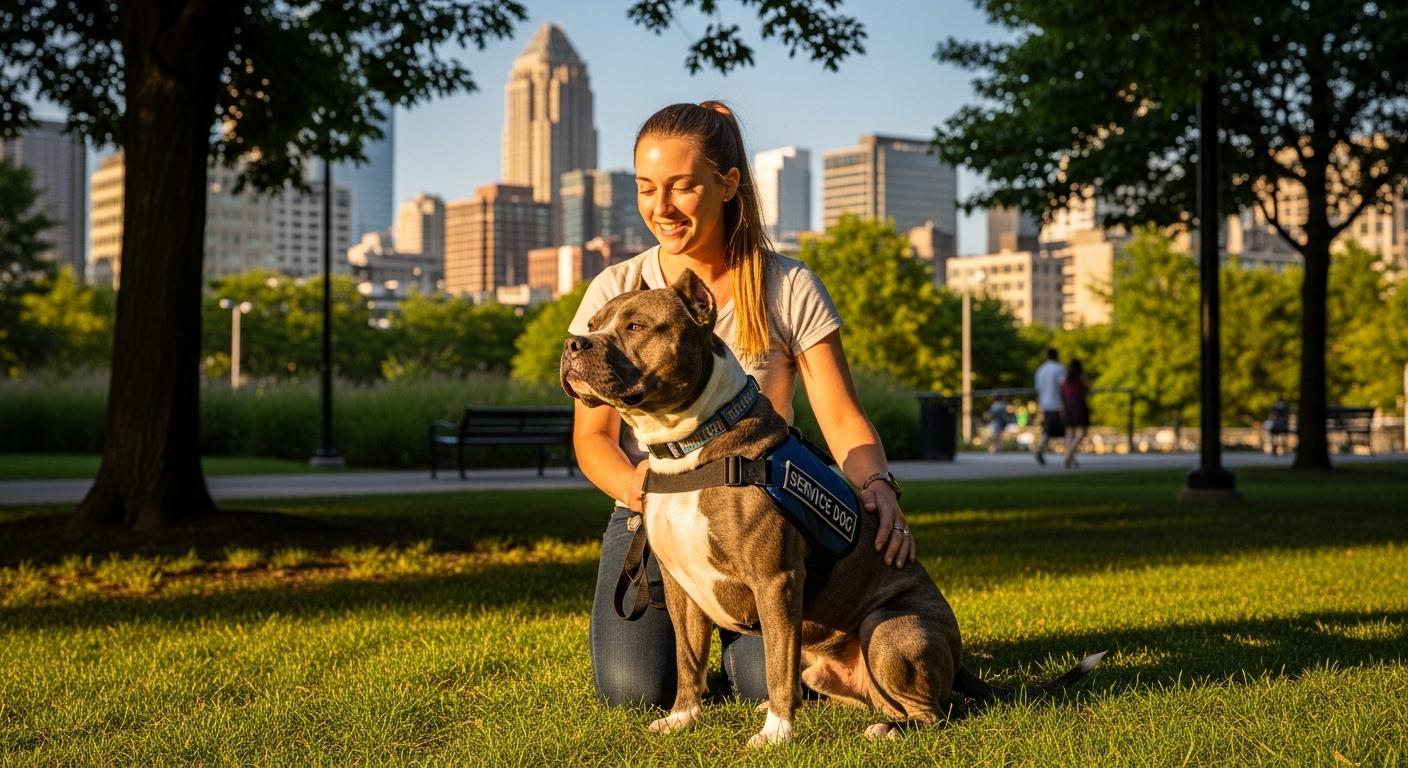
The question of whether American Bullies can serve as service dogs comes up frequently among prospective handlers. This powerful, affectionate breed has gained popularity as a family companion, but its suitability for service work requires careful consideration beyond just legal eligibility.
Under U.S. law, American Bullies are legally permitted to work as service dogs the Americans with Disabilities Act maintains breed-neutral standards. However, legal permission and practical suitability represent two distinct considerations. For those seeking legitimate documentation for service animals, RealESALetter.com connects individuals with licensed mental health professionals who can properly evaluate psychiatric service dog needs and provide valid documentation.
This comprehensive guide examines when American Bullies succeed in service roles, the specific traits that matter most, and the practical challenges handlers should understand before choosing this breed for assistance work.
Understanding the American Bully: Breed Development and Purpose
Understanding the American Bully's origins provides essential context for evaluating service dog potential. Unlike breeds developed specifically for working roles, this breed was created with different priorities in mind.
Companion-Focused Breeding History
The American Bully emerged during the 1980s and 1990s in the United States through deliberate breeding programs. Breeders developed this companion dog using American Pit Bull Terrier foundation stock, crossing it strategically with American Staffordshire Terriers, American Bulldogs, and English Bulldogs. The explicit goal was creating a family-friendly dog with reduced prey drive and enhanced temperament stability.
The American Bully Kennel Club officially recognized the breed in 2004, with the United Kennel Club following in 2013. Unlike their pit bull ancestors historically bred for fighting, American Bullies were designed specifically for companionship roles. This breeding focus emphasized gentle disposition and family compatibility rather than traditional working ability.
Physical Build and Characteristics
American Bullies possess muscular, stocky builds with broad heads and characteristically short muzzles. They come in four recognized size categories: Pocket, Standard, Classic, and XL varieties. Males typically range from 14 to 23 inches at the withers, with weight varying from 40 to over 100 pounds depending on the specific variety.
The breed features short, glossy coats appearing in multiple colors including black, brown, fawn, red, blue, and white. Their powerful, imposing appearance often leads to public misconceptions about aggression levels. However, their considerable physical strength can effectively support mobility assistance tasks when dogs receive proper training.
Temperament and Personality Traits
American Bullies typically display loyal, affectionate, and gentle personalities with their families. They form exceptionally strong bonds with their people and demonstrate notable patience with children. The breed exhibits eagerness to please and confident temperament without aggression when bred responsibly.
These dogs thrive on extensive human interaction and require significant companionship throughout their lives. They generally remain calm across various environments and adapt reasonably well to different situations. Their sociable nature makes them approachable to most people, though they can display protective instincts toward their families.
Legal Framework: ADA Standards for American Bullies
Federal law provides clear guidance on service dog eligibility regardless of breed. Understanding these legal protections helps handlers navigate public access situations confidently.
Breed-Neutral Federal Protections
Yes, American Bullies can legally serve as service dogs under current federal law. The Americans with Disabilities Act permits any service dog breed to serve without breed-based discrimination. Any dog individually trained to perform disability-related tasks qualifies under federal law regardless of breed classification.
Service dogs must receive training to perform specific tasks directly related to a person's disability. These tasks extend beyond merely providing emotional comfort alone and require trained actions that assist with physical, sensory, psychiatric, or intellectual disabilities.
Public Access Rights and Handler Protections
The ADA protects service dog handlers' rights to public access in all areas open to the general public. Service dogs can accompany handlers in restaurants, stores, hospitals, hotels, and public transportation. This includes areas typically restricted to animals under standard policies.
Businesses may only ask two specific questions: Is this a service dog required for a disability? What tasks has the dog been trained to perform? Staff cannot demand documentation, certifications, or demonstrations of tasks. They cannot inquire about the handler's specific disability or require medical records.
Handler Responsibilities and Standards
Handlers must maintain control of their service dogs at all times through leash, harness, or tether. Voice or signal control is permitted only when physical restraints would interfere with task performance. The dog must remain under control regardless of the control method used.
Service dogs must be housebroken and well-behaved in public spaces consistently. Uncontrolled barking, jumping on people, aggression, or disruption allows businesses to request removal. The dog must not pose direct threats to the health or safety of others in any situation.
Breed-Specific Legislation Exemptions
Some localities have breed-specific legislation banning or restricting bully breeds through local ordinances. However, the ADA explicitly prohibits service dog exclusion based on breed stereotypes or assumptions. Service dogs cannot be denied access based solely on breed, regardless of local laws.
The Fair Housing Act also protects service dogs regardless of breed restrictions in housing policies. Landlords must accommodate service dogs even in buildings that ban specific breeds. This protection extends to areas with American Bully bans or general pit bull restrictions. Understanding apartment pet policy breed restrictions helps handlers navigate housing challenges effectively.
International Travel Limitations
International travel presents significant challenges, as countries like the UK, France, Germany, and Australia ban bully breeds entirely. Service dog handlers should thoroughly research destination country laws before traveling abroad, as ADA protections don't apply internationally and breed bans typically include service animals.
Training Pathways for American Bully Service Dogs
Proper training transforms an American Bully into an effective service dog. The training process requires substantial time, dedication, and expertise typically spanning 18-24 months for complete preparation. Starting early provides the best results for service work success.
Critical Early Socialization Period
Service dog training must begin early, ideally between 8-16 weeks of age. American Bully puppies need extensive exposure to various environments, people, and situations. This builds essential confidence and prevents fear-based reactions that disqualify dogs from service work.
Socialization includes different floor surfaces like tile, carpet, metal grates, and gravel. Puppies should experience public transportation, stores, restaurants, and city streets. Exposure to loud noises, crowds, and other animals prevents adult nervousness in working environments that service dogs encounter daily.
Foundational Obedience Training
Strong basic obedience forms the essential foundation for service training before specialized tasks begin. American Bullies must master sit, stay, down, come, and loose-leash heel commands with complete reliability. They must ignore distractions like other animals, food, and fast-moving objects consistently.
House training is mandatory before any public access begins. Dogs must not display destructive behaviors, excessive barking, or any aggression. They should remain calm and focused in all situations for 90-minute periods minimum without breaks.
Specialized Task Training
Service dogs learn 3-5 specific tasks matching their handler's disability needs precisely. Tasks might include medication reminders through trained alerts, interrupting harmful behaviors, or providing mobility assistance. American Bullies can learn to recognize physical signs of panic attacks, like increased breathing or heart rate changes.
They train to respond to stress cues with calming deep pressure therapy. Some learn to create physical barriers between handlers and strangers in crowded spaces. Others master retrieving emergency medications, phones, or comfort items on command reliably.
Professional evaluation helps determine if individual American Bullies suit service work. Reputable trainers assess temperament stability, health status, and training aptitude through standardized tests before investing in full training programs.
Health Considerations for Working American Bullies
Maintaining an American Bully service dog's health is critical to their ability to work safely and effectively over time. While the breed is legally permitted to serve, certain physical traits and health risks influence how long and how well they can perform service duties.
Breed-Specific Health Challenges
American Bullies are prone to brachycephalic airway issues due to their short muzzles, which can cause breathing difficulties, heat intolerance, and reduced stamina. These limitations may affect their ability to perform physically demanding service tasks, particularly those involving extended movement or sustained mobility assistance.
Joint conditions such as hip dysplasia can impact comfort and mobility, especially as dogs age. Some individuals may develop heart conditions later in life, further limiting endurance. Skin allergies and fold dermatitis are common and require ongoing management to prevent infections. Selecting dogs from health-tested lines with hip, cardiac, and airway clearances can significantly reduce long-term risk.
Ongoing Veterinary Care Requirements
Service dogs require consistent veterinary care to remain fit for public access work. This includes regular checkups, up-to-date vaccinations, parasite prevention, and routine dental care. American Bullies also need daily cleaning of facial and tail folds to prevent bacterial buildup, along with careful weight management to reduce joint and cardiac strain.
Handlers should closely monitor breathing patterns, particularly during physical exertion or warm weather conditions. Because of their heat sensitivity, American Bullies benefit from shorter work sessions, frequent hydration, and avoidance of intense activity during peak temperatures.
Exercise Requirements and Working Longevity
Despite their muscular build, American Bullies do best with moderate exercise, typically 30 to 60 minutes per day, divided into shorter sessions. They tire more quickly than breeds with longer muzzles, making them better suited for service roles that require steady presence rather than sustained physical exertion.
The breed's average lifespan of 8 to 12 years often results in a shorter working career, commonly around 5 to 10 years, compared to longer-lived service breeds such as Labrador or Golden Retrievers. This means handlers may need to plan for earlier retirement and replacement. Mental stimulation through training, structured tasks, and enrichment activities remains essential for maintaining focus and overall well-being.
Daily Care Standards for Service Work
Caring for an American Bully service dog demands more than standard pet ownership. Their muscular build and natural strength require structured daily exercise, mental stimulation, and consistent engagement to maintain the calm, balanced temperament essential for public access work.
Regular walks, controlled play sessions, and obedience reinforcement help channel their energy while maintaining the focus required in service environments. Beyond physical conditioning, ongoing socialization remains important throughout the dog's life not just during puppyhood. American Bullies benefit from continued exposure to varied settings, people, and situations to maintain confidence and adaptability in the unpredictable environments service dogs encounter daily.
Grooming and Hygiene Standards
American Bullies are relatively low-maintenance in grooming, which benefits service handlers managing demanding schedules. Their short, smooth coat requires weekly brushing and occasional bathing to maintain the cleanliness expected of working service dogs in public spaces.
Routine nail trimming prevents gait issues that could affect mobility assistance tasks, while regular ear cleaning reduces infection risk that might compromise the dog's ability to work. Daily facial fold cleaning particularly around the muzzle prevents bacterial buildup common in brachycephalic breeds. These basic hygiene practices are essential for maintaining service readiness.
Managing Shedding and Presentation
American Bullies shed moderately year-round but are not hypoallergenic breeds. While their short coat minimizes excessive loose fur, individuals with severe allergies should carefully evaluate whether this breed suits their needs particularly in close-contact service roles.
Professional presentation matters significantly in service work. A well-groomed American Bully not only meets hygiene standards but also positively influences public perception in high-visibility environments where service dogs represent the broader working dog community.
Optimal Service Roles for American Bullies
American Bullies are best suited for psychiatric service dog roles, where emotional stability, physical presence, and handler bonding are more important than sustained physical endurance. Their strength can support brief balance assistance or stability during short tasks, but they are generally better matched to service work that emphasizes responsiveness rather than prolonged physical exertion.
Psychiatric Service Work
In psychiatric service roles, American Bullies can be trained to assist individuals with PTSD, anxiety disorders, or depression through specific task-based responses. These may include recognizing signs of escalating distress, providing deep pressure support during panic episodes, and remaining close to help ground handlers during emotionally challenging situations. Their loyalty and attentiveness make them responsive to changes in emotional state. Understanding ESA support for bipolar disorder can help handlers recognize similar applications in service work.
Proper training transforms an American Bully into an excellent emotional support presence for people with anxiety, depression, or PTSD. Their loyal, protective nature offers consistent companionship that combats loneliness. They form deep bonds that provide stability during difficult emotional periods.
Autism Support Applications
Some American Bullies may also succeed in autism-related service work, particularly in roles that involve interrupting repetitive or harmful behaviors through gentle physical redirection. While they are not commonly used for medical alert work, their observant nature can support limited response-based tasks when paired with appropriate training.
Limited Mobility Assistance
While American Bullies possess physical strength, their brachycephalic structure limits sustained physical exertion. They may provide brief balance assistance or stability during short tasks, but are generally not ideal for extensive mobility support requiring prolonged physical work. Handlers needing substantial mobility assistance should consider breeds better suited for sustained physical tasks.
Selecting the Right American Bully for Service Work
Selecting an American Bully for service work requires careful evaluation beyond general breed traits. Not every dog within the breed has the temperament, health, or focus required for public-access service work. Proper selection and professional guidance significantly increase the likelihood of success.
Individual Temperament Assessment
Temperament assessment is essential before beginning service training. Ideal candidates show confidence in new environments without aggression or excessive fear responses. They should recover quickly from startling events, remain focused in the face of distractions, and demonstrate a willingness to work cooperatively with their handler.
Comfort around strangers, children, and other animals is critical for public-access work. Health screening is equally important. Dogs should come from reputable breeders or rescues that prioritize temperament and health testing, including evaluations for joint, cardiac, and respiratory concerns.
Professional Training Partnerships
Professional service dog trainers play a key role in determining suitability and guiding training. They assess temperament, drive, and physical capacity before significant training begins. Some handlers choose owner-training programs, which typically take 18–24 months and cost less than fully trained service dogs, while still requiring consistent professional oversight.
Reputable trainers evaluate dogs throughout the training process, conducting temperament and behavior assessments before public access. This protects both handlers and the broader service dog community by ensuring only suitable dogs enter public spaces.
Alternative Support Roles
If an American Bully does not meet the demands of full-service dog work, other meaningful roles may be more appropriate. Emotional support animals provide therapeutic benefit within housing settings under the Fair Housing Act without requiring task-based training. Therapy dogs, which visit facilities such as hospitals or schools, focus on calm temperament and social behavior rather than disability-specific assistance.
Choosing the right role ensures the dog's abilities are respected while still allowing them to provide meaningful support in a way that suits both the handler and the dog. For those exploring emotional support options, understanding emotional support animals for depression provides valuable context.
Making Informed Decisions About American Bully Service Dogs
American Bullies can serve as service dogs under the ADA with proper training and individual suitability. Their loyal temperament and physical strength offer advantages for certain roles, particularly psychiatric service work. However, health concerns and shorter lifespans present practical challenges for long-term service careers.
These dogs often excel more as psychiatric service animals or emotional support dogs, where their natural companionship provides therapeutic benefits. Their gentle nature and strong bonds make them valuable companions for people with mental health disabilities. Careful evaluation of individual dogs determines service work suitability before investing in extensive training.
Understanding ADA protections ensures handlers know their legal rights regardless of breed discrimination. Proper training from puppyhood creates well-behaved service dog teams. Whether as service dogs, emotional support animals, or therapy dogs, American Bullies provide meaningful assistance when matched with appropriate roles.
Getting Legitimate Documentation Through RealESALetter.com
Top ESA Letter Providers in 2026 – Where RealESAletter.com Stands getting a legitimate PSD letter ensures your rights are protected under federal law.The process is simple, legitimate, and provides the documentation you need for housing and travel accommodations. RealESALetter.com ensures all documentation comes from properly licensed professionals who conduct thorough clinical evaluations, providing handlers with legally valid support that landlords and housing providers must accept.Learn more about How RealESALetter.com Is Helping Shape the Future of ESA Policy in America and their ongoing advocacy efforts for service and emotional support animals.
Common Questions About American Bully Service Dogs
What makes an American Bully suitable for psychiatric service work?
American Bullies excel in psychiatric service roles due to their strong handler bonding, calm presence, and responsive nature. Their natural attentiveness to emotional changes allows them to recognize signs of distress and provide grounding through deep pressure therapy. When properly trained, they can interrupt harmful behaviors, provide physical barriers in crowded spaces, and offer consistent emotional support during challenging mental health episodes.
How long does it take to fully train an American Bully as a service dog?
Complete service dog training for an American Bully typically requires 18-24 months of intensive work. This timeline includes early socialization (8-16 weeks), foundational obedience training, specialized task training, and public access preparation. The breed may require additional time compared to traditional service breeds due to their need for extensive socialization and breed-specific considerations like heat tolerance and stamina management.
Can American Bullies handle hot weather while performing service work?
American Bullies have significant heat sensitivity due to their brachycephalic (short-muzzle) structure. They struggle with temperature regulation and can overheat quickly during warm weather. Handlers must plan shorter work sessions, ensure frequent hydration, avoid peak heat hours, and provide cooling strategies. This breed is better suited for climate-controlled environments or cooler climates for reliable service work.
Will breed restrictions affect my American Bully service dog's housing rights?
No. Federal law protects service dogs regardless of breed restrictions. The Fair Housing Act requires landlords to accommodate service dogs even in buildings with breed bans or restrictions on American Bullies and similar breeds. Landlords cannot deny housing or charge pet fees for legitimate service dogs, though they may request documentation verifying the dog's training and your disability-related need.
What's the difference between an American Bully service dog and emotional support animal?
Service dogs receive extensive task-based training to perform specific disability-related work and have full public access rights under the ADA. Emotional support animals provide therapeutic benefit through companionship without requiring specialized training and only have housing protections under the Fair Housing Act—not public access rights. American Bullies often excel more in ESA roles where their natural companionship provides support without the demands of public access work.
Do American Bullies work well as service dogs in family settings with children?
American Bullies can work in family environments when properly trained, as they typically display patience and gentleness with children. However, the service dog must maintain focus on the handler's needs even with children present. The dog's ability to balance family interaction with service duties depends on individual temperament, training quality, and the specific tasks required. Professional evaluation helps determine if a particular American Bully can successfully navigate both roles.
Nach Verein filtern
Read More
In today's fast-paced world, taking care of yourself is no longer a luxury—it is a necessity. Between work responsibilities, family commitments, social obligations, and the constant flow of information, stress can quickly become a part of everyday life. While many people focus on physical fitness and healthy eating, self-care often gets overlooked. One of the most effective ways to...

The Braves dropped Saturday night time and will previously include a opportunity at 1:35 PM ET currently in direction of consider the collection get with them towards a sequence that they seriously should really get. After yet again, bullpen tiredness little bit them, as this form of sixman rotation agreement with 2 hybridlongmen inside of Reynaldo Lopez who is far too untrustworthy and Didier...

"Asia-Pacific Smoked Cheese Market Summary: According to the latest report published by Data Bridge Market Research, the Asia-Pacific Smoked Cheese Market The Asia-Pacific smoked cheese market size was valued at USD 5.55 billion in 2025 and is expected to reach USD 9.06 billion by 2033, at a CAGR of 6.3% during the forecast period All the data and...

When it comes to crafting an effective Galbrena setup in Wuthering Waves, understanding her role as a premier damage dealer is essential. Galbrena wields dual pistols, making her a versatile fusion resonator capable of dishing out high burst damage. To maximize her potential, selecting the right equipment is crucial. The optimal weapons for Galbrena boost her attack power and critical hit...

Competitive Analysis of Executive Summary Hypophosphatasia Treatment Market Size and Share Global Hypophosphatasia Treatment Market report comprises of data that can be quite essential when it comes to dominate the market or making a mark in the market as a new emergent. The statistics are represented in graphical format in this report for a clear understanding on facts and figures....