


How to Store and Handle an End Mill Cutter Properly
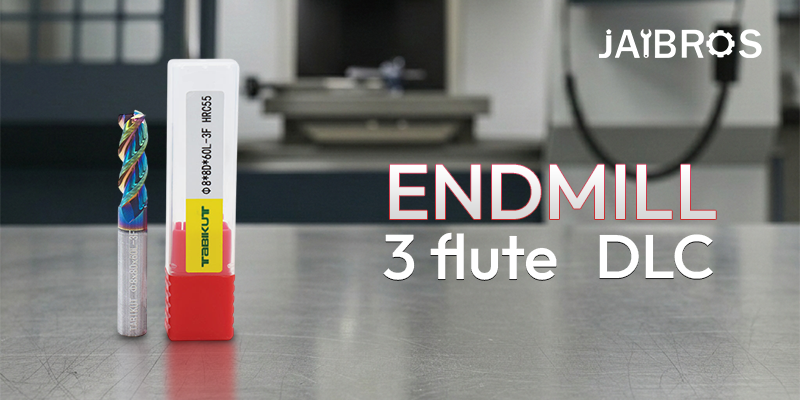
Best Practices to Store and Handle an End Mill Cutter
In CNC machining, cutting tools play a vital role in determining the accuracy, efficiency, and quality of the final product. Among these tools, the end mill cutter is one of the most widely used tools in milling operations. It is designed to remove material with precision and is commonly used in CNC milling machines and vertical machining centers.
However, many machinists focus mainly on tool selection and cutting parameters while ignoring another important factor: proper storage and handling. Even the highest-quality cutting tools can lose their performance if they are not stored or handled correctly.
Improper storage can lead to tool damage, chipping, corrosion, and reduced cutting efficiency. Similarly, careless handling during installation or removal may shorten tool life and affect machining accuracy. This is why understanding how to maintain and store tools properly is essential for any machining workshop.
Importance of Proper Tool Storage in CNC Workshops
Cutting tools are precision instruments designed with extremely sharp edges. Even small damage to the cutting edge can affect machining performance.
When tools are stored incorrectly, they may come into contact with other tools or hard surfaces. This can cause micro-chipping or dulling of the cutting edges. Over time, this damage reduces tool efficiency and increases machining costs.
Proper storage helps protect the cutting edges of an end mill cutter and ensures that the tool remains in optimal condition for machining operations.
In addition, well-organized tool storage makes it easier for machinists to locate and select the correct tool quickly, improving productivity in the workshop.
Risks of Improper Handling
Handling cutting tools carelessly can cause several problems, including:
-
Edge chipping
-
Tool breakage
-
Reduced machining accuracy
-
Shorter tool life
When machinists handle an end mill cutter without proper care, the cutting edges may collide with other metal surfaces. This can damage the tool even before it is used in machining.
To avoid these issues, machinists should always follow proper handling procedures when transporting, installing, or removing cutting tools.
Use Protective Tool Storage Systems
One of the best ways to protect cutting tools is to use proper storage systems. Many manufacturers provide protective containers or tool holders designed specifically for milling tools.
These containers keep the tool separated from other tools and prevent accidental contact. For example, carbide endmills often come with plastic protective tubes that protect their cutting edges.
Since carbide tools are extremely hard but also brittle, storing carbide endmills properly helps prevent edge damage and maintains their cutting performance.
Tool cabinets with foam inserts or individual slots are also commonly used in CNC workshops to store different cutting tools safely.
Keep Tools Clean and Dry
Moisture and dirt can damage cutting tools over time. If tools are exposed to humidity or coolant residue, they may develop corrosion or rust.
Before storing a cutting tool, machinists should wipe it clean using a soft cloth. This removes metal chips, coolant, and dust from the tool surface.
Although modern cutting tools often have protective coatings, proper cleaning ensures that an end mill cutter remains in good condition for future use.
Keeping the storage area dry and clean is equally important for maintaining the quality of cutting tools.
Organize Tools Based on Type and Size
CNC workshops usually use many different cutting tools for various machining operations. Organizing these tools properly helps machinists locate the correct tool quickly and prevents accidental damage.
For example, there are several types of endmills, such as flat endmills, ball nose tools, and corner radius cutters. Each tool is designed for a specific machining task.
Storing different types of endmills in separate compartments helps avoid confusion and ensures that tools remain protected.
Labeling tool holders or storage containers also makes it easier to manage tools in busy machining environments.
Handle Tools with Care During Installation
Proper handling during installation is just as important as storage. When installing a cutting tool into a tool holder, machinists should avoid touching the cutting edges directly.
Instead, hold the tool by the shank area. This reduces the risk of damaging the cutting edges.
Careful installation is particularly important for precision tools like micro endmills, which are extremely small and delicate. Even a slight impact can damage the cutting edge of micro endmills.
Using protective gloves and proper handling techniques can significantly reduce the risk of tool damage during installation.
Avoid Dropping Cutting Tools
Dropping a cutting tool is one of the most common causes of tool damage in workshops. Even a small drop can chip the cutting edges or cause cracks in the tool body.
To avoid this, machinists should handle tools carefully and use tool trays or holders while transporting them.
If an end mill cutter is accidentally dropped, it should be inspected carefully before using it again. Using a damaged tool can lead to poor machining quality and potential machine damage.
Store Tools Near the CNC Machine Carefully
Many workshops keep frequently used cutting tools close to the CNC machine for convenience. While this improves efficiency, tools must still be stored safely.
Using dedicated racks or magnetic holders for a cnc tool can help keep tools organised and prevent accidental damage.
Proper tool organization also reduces setup time and improves workflow efficiency in CNC machining operations.
Regular Tool Inspection
Regular inspection is an important part of tool maintenance. Before using a tool, machinists should check it for signs of wear or damage.
Inspection helps identify problems such as:
-
Chipped cutting edges
-
Cracks or fractures
-
Excessive wear
If a damaged end mill cutter is used in machining, it may produce poor surface finish or inaccurate dimensions. In severe cases, it may even break during cutting.
By inspecting tools regularly, machinists can ensure safe and efficient machining operations.
Benefits of Proper Storage and Handling
Following proper storage and handling practices offers several advantages for machining workshops.
Longer Tool Life
Protecting cutting edges helps extend the lifespan of cutting tools.
Improved Machining Accuracy
Well-maintained tools produce more precise machining results.
Lower Tool Replacement Costs
Reducing tool damage decreases the need for frequent replacements.
Better Workshop Organization
Proper tool storage improves workflow and productivity.
By taking care of an end mill cutter, machinists can ensure consistent performance and reduce unnecessary machining costs.
Conclusion
Proper storage and handling of cutting tools are essential for maintaining machining precision and extending tool life. Cutting tools are designed with extremely sharp edges and precise geometries, which means they must be treated carefully to maintain their performance.
Using protective storage systems, keeping tools clean and dry, organizing tools properly, and handling them carefully during installation are some of the best practices for maintaining tool quality.
By following these simple steps, machinists can protect their end mill cutter from damage and ensure reliable machining results. In any CNC workshop, good tool management practices play a key role in improving productivity, reducing costs, and maintaining machining accuracy.
About Jaibros
Jaibros is a trusted supplier of industrial cutting tools and machining solutions designed for modern manufacturing industries. The company offers a wide range of high-quality tooling products that support precision machining in CNC and VMC operations. With a focus on durability, performance, and reliability, Jaibros continues to provide dependable cnc tool solutions that help manufacturers achieve accurate and efficient machining results.
FAQs
Q1. Why is proper storage important for cutting tools?
Proper storage protects the cutting edges from damage, corrosion, and wear, ensuring longer tool life and better machining performance.
Q2. How should cutting tools be cleaned before storage?
Cutting tools should be wiped with a clean cloth to remove metal chips, coolant, and dust before placing them in storage.
Q3. What are carbide cutting tools commonly used for?
Carbide endmills are commonly used for high-speed machining because of their hardness and wear resistance.
Q4. Why are micro cutting tools delicate?
Micro endmills are very small in size and designed for precision machining, which makes them more sensitive to damage.
Q5. How can machinists prevent tool damage during handling?
Machinists should hold tools by the shank, avoid dropping them, and store them in protective containers to prevent damage.
Categories
Read More
Maintaining healthy blood sugar levels is a cornerstone of overall wellness. With lifestyle challenges, dietary stressors, and metabolic imbalances increasingly common, many people seek natural strategies to support blood sugar health – consistently and effectively. GL‑Defend is emerging as a focused solution designed to assist the body’s natural metabolic function,...

" Exactitude Consultancy That Adds Flavour To Your Success" Railway cybersecurity trends. Protecting rail infrastructure and rolling stock from cyber threats. The global Railway Cybersecurity Market is projected to reach USD 8.40 Billion in 2026 and USD 15.20 Billion by 2033, growing at an 8.8% CAGR. If you're looking for insights into the Railway Cybersecurity Market, you're in luck! A...
Fertility treatments can be a physically, emotionally, and mentally challenging journey for both partners. While medical procedures focus on the biological side of conception, emotional support plays an equally vital role in ensuring a healthy and hopeful experience. When one partner is undergoing fertility treatment, the other’s understanding, empathy, and active involvement can make a...

Flooding is one of the most significant natural hazards affecting communities around the world. As climate patterns shift and urban areas expand, the need for thoughtful, evidence-based planning has never been greater. A flood risk assessment for planning is a critical tool in this process, ensuring that new developments are safe, sustainable, and resilient. Far more than a...

Polaris Market Research has introduced the latest market research report titled Europe Rare Disease Diagnostics Market Share, Size, Trends, Industry Analysis Report, By Disease Type, By Product Type, By Sample Type, By Technology, By Test, By Age Group, By Trait Type, By End-User, By Country; Segment Forecast, 2024 - 2032 that highlights the major revenue stream for the forecast...