


From Class 10 to Cockpit: The Pilot Career Roadmap
For many students, the dream of becoming a pilot begins early. It’s seen as exciting, respected, and financially rewarding. But once families start researching, they realize the path is more structured and demanding than it appears.
The journey usually starts after Class 10. While students from any stream can enter aviation, choosing Physics and Mathematics in Classes 11 and 12 makes the process smoother. These subjects are essential for understanding navigation, aerodynamics, and meteorology. Those without them can still pursue aviation through bridge programs like NIOS, but this adds extra time and effort.
After Class 12, medical fitness becomes the first major checkpoint. The DGCA requires a Class 1 Medical Certificate, and without it, a flying career isn’t possible. Many students overlook this step and invest in training before confirming eligibility. It’s always better to clear medicals first.
Next comes training, where confusion often arises between a degree and a license. A BSc in Aviation is an academic qualification, while a Commercial Pilot License (CPL) is what allows someone to fly professionally. Airlines do not hire based on degrees alone. They focus on licenses, flying hours, simulator performance, and overall readiness.
Before obtaining a CPL, students must clear DGCA theory exams such as Air Navigation, Meteorology, Air Regulations, and technical papers. This phase is often underestimated. Poor preparation can lead to repeated attempts, increasing both time and cost. Strong fundamentals help students progress faster.
Once training is complete, the challenge shifts to employment. India’s aviation sector is growing, with airlines expanding their fleets. However, this does not guarantee immediate hiring. Airlines look for candidates who perform well in simulator tests, communicate effectively, and are operationally prepared.
Most self-sponsored students experience a waiting period of 6 to 12 months before securing their first role as a First Officer. During this time, they prepare for interviews, simulator assessments, and additional certifications like type rating. Financial planning is crucial, as training costs range from ₹35 to ₹60 lakhs or more, and income does not begin immediately.
Despite these challenges, aviation remains a strong long-term career. First Officers typically earn ₹1.5 to ₹3 lakhs per month, while Captains can earn ₹5 to ₹10 lakhs or more, depending on experience and airline. However, the industry is influenced by factors like fuel prices and global events, so hiring cycles can vary.
Safety is another common concern. Modern aviation operates under strict regulations with multiple safety systems and rigorous pilot training. Safety is built into processes, not left to chance.
In the end, becoming a pilot is not a single decision but a series of informed steps. From subject choices in school to medicals, exams, training, and financial planning, each stage matters.
Clarity early on makes the journey smoother. Without it, the same path can feel overwhelming.
Catégories
Lire la suite
Ensuring the safety of homes and properties is a top priority for homeowners. Professional residential security camera monitoring Brighton services provide real-time surveillance and monitoring, helping property owners maintain a secure environment. Alongside this, professional alarm installers Aurora CO offer expertise in installing and maintaining advanced alarm systems to detect and respond...

Electronic Integrated Circuits and Smartphones to Drive Nigeria's USD 7.06 Billion New Export Opportunities by 2031 Nigeria’s existing export potential in 2031 is led by China, which accounts for 26.03%, marginally ahead of the United States at 22.64%. In contrast, the United States dominates opportunities across entirely new product lines with a 33.52% share, substantially exceeding...
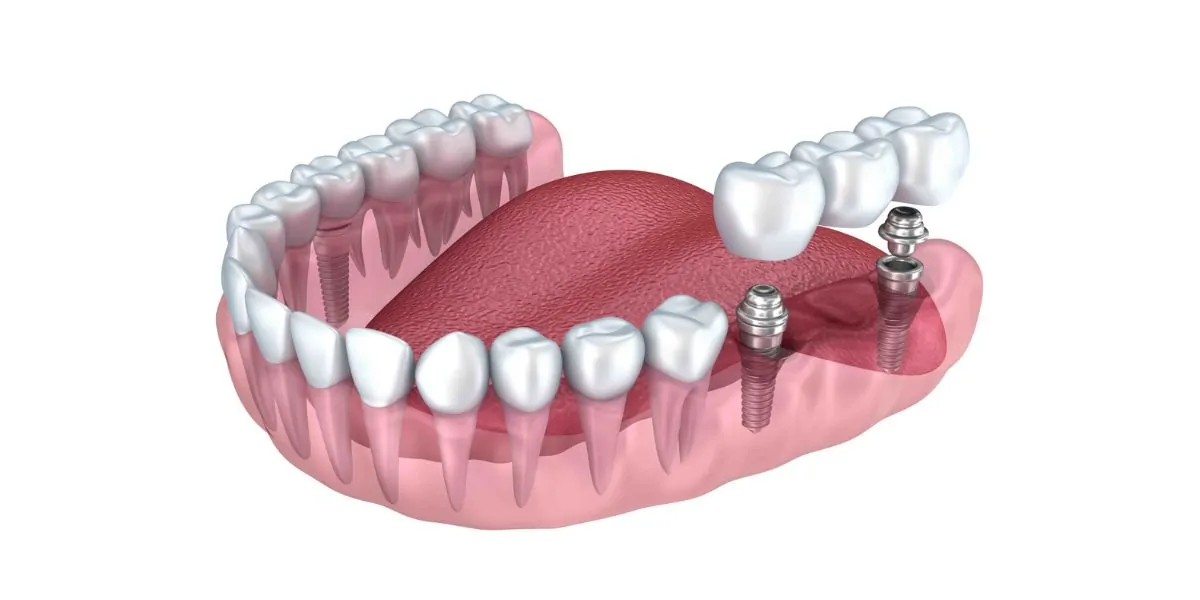
What Makes Trusted Tooth Implants Stand Out Not all dental implants are created equal. Choosing a trusted implant specialist ensures precision, safety, and durability. Key benefits of working with professionals include: 1. Personalized Treatment Planning Every mouth is unique. Specialists assess your jawbone, gums, and overall oral health to create a treatment plan tailored to your needs. 2....
Are you searching for a dream home that combines modern luxury, prime connectivity, and world-class amenities? Look no further than Runwal 25 Hour Life Ghodbunder Road, one of the most awaited residential developments in Thane. Designed by the reputed Runwal Group, this project is perfectly positioned to deliver a lifestyle that allows you to do more every day — hence, the name 25...

If your home has been in poor condition for a long time, you may be entitled to money for your losses. housing disrepair compensation covers damage, inconvenience, and health impact. Start your claim with Tenant Housing Disrepair UK.