


Customs Duty in India 2025: Key Reforms and What They Mean for UK & European Trade Strategy

India is entering a new phase of global economic integration, and its evolving tax and trade policies are a major part of that transformation. The Customs Duty in India 2025 key reforms are designed to simplify imports, strengthen domestic industries, and attract high-quality foreign investment. For UK and European companies, these changes are not just regulatory updates—they directly influence how businesses should plan their India entry and expansion strategies.
This article takes a strategic and practical look at the latest reforms and how they reshape trade decisions in 2025.
India’s Customs Duty: A Strategic Policy Tool
Customs duty in India has moved beyond being a simple revenue-generating mechanism. In 2025, it is actively used to:
- Drive industrial growth
- Support innovation and manufacturing
- Influence global supply chains
- Encourage sustainable imports
This shift makes understanding customs duties essential for any foreign business planning to trade with India.
What Defines the 2025 Reform Landscape?
The Customs Duty in India 2025 key reforms are built around three major pillars:
- Simplification – reducing complexity in tariff structures
- Localisation – promoting domestic production
- Digitalisation – improving efficiency through technology
Together, these pillars create a more structured and predictable trade environment.
Major Customs Duty Reforms in 2025
1. Reduced Complexity in Duty Rates
India has streamlined its customs duty rates by reducing overlapping slabs and clarifying tariff categories.
Impact:
- Easier product classification
- Fewer disputes with customs authorities
- Improved transparency for importers
For UK and European exporters, this reduces administrative friction and speeds up market entry.
2. Clear Push Toward Import Substitution
India continues to promote self-reliance by discouraging unnecessary imports.
Key changes:
- Increased duties on luxury and non-essential goods
- Protective tariffs on certain finished products
- Support for domestic alternatives
Business implication:
Companies exporting finished goods must reassess pricing strategies or consider local production options.
3. Incentives for Component-Level Imports
While finished goods face higher duties, raw materials and components often benefit from reduced rates.
Why this matters:
- Encourages assembly and manufacturing within India
- Reduces production costs for locally established units
Strategic advantage:
European manufacturers can import parts and assemble products in India to remain cost-competitive.
4. Seamless Digital Customs Ecosystem
India’s customs procedures are now largely automated and digitised.
2025 highlights:
- Online filing and approvals
- AI-based risk assessment
- Faster cargo clearance systems
Result:
- Reduced processing time
- Lower dependency on intermediaries
- Greater transparency in operations
5. Expansion of Trusted Trader Programs
India has strengthened its Authorised Economic Operator (AEO) programme.
Benefits include:
- Priority customs clearance
- Reduced inspections
- Simplified documentation requirements
Opportunity:
UK and European companies with strong compliance records can significantly improve supply chain efficiency.
6. Strategic Sector Duty Calibration
The government has fine-tuned duties across high-growth sectors to guide investment.
Examples:
- Lower duties on renewable energy equipment
- Supportive tariffs for semiconductor manufacturing
- Adjustments in electronics and automotive sectors
Takeaway:
Understanding sector-specific duty changes is crucial for making informed investment decisions.
7. Stronger Enforcement and Transparency
India has increased focus on compliance and fair trade practices.
Updates include:
- Stricter anti-dumping measures
- Improved customs valuation systems
- Enhanced tracking of imports
Risk:
Non-compliance can lead to delays, penalties, and reputational damage.
Advantage:
Transparent businesses benefit from faster and smoother operations.
Strategic Implications for UK & European Businesses
The Customs Duty in India 2025 key reforms require businesses to rethink traditional trade models.
Rethinking Export Strategies
Exporting finished goods may become less viable due to higher duties.
Considering Local Manufacturing
Setting up operations in India can reduce costs and improve market access.
Leveraging Digital Systems
Automation reduces complexity but requires familiarity with digital processes.
Aligning with Policy Direction
Businesses that align with India’s economic priorities gain long-term advantages.
Practical Steps to Adapt
To succeed under the new customs framework, businesses should:
Analyse Product-Level Duties
Review how duty changes affect individual products.
Redesign Supply Chains
Consider sourcing, assembly, and distribution within India.
Strengthen Compliance Frameworks
Ensure accurate classification, valuation, and documentation.
Monitor Policy Developments
Stay updated on new trade agreements and duty revisions.
Engage Professional Advisors
Expert guidance helps avoid costly mistakes and delays.
The Role of Strategic Consulting
Understanding policy is one thing—executing it effectively is another. This is where professional support becomes essential.
Stratrich, a specialised business consulting firm, helps UK and European companies navigate India’s customs and regulatory landscape with confidence.
Their services include:
- Customs duty planning and optimisation
- Market entry and company formation
- Regulatory compliance and documentation
- End-to-end business advisory
With the right support, businesses can transform regulatory challenges into growth opportunities.
Looking Ahead: The Future of Trade with India
The Customs Duty in India 2025 key reforms are part of a broader vision to position India as a global trade and manufacturing leader. The country is steadily building a system that balances protection of domestic industries with openness to foreign investment.
For UK and European businesses, the message is clear:
- Adapt quickly
- Align strategically
- Invest wisely
Conclusion
India’s customs duty reforms in 2025 mark a decisive shift toward a more efficient, transparent, and growth-oriented trade environment. While the changes introduce new challenges, they also unlock significant opportunities for businesses willing to evolve.
By understanding the Customs Duty in India 2025 key reforms and aligning your strategy accordingly, you can reduce costs, improve efficiency, and establish a strong foothold in one of the world’s most promising markets.
With the right approach—and the right partner like Stratrich—India can become a powerful driver of long-term international growth.
Categorii
Citeste mai mult
The Single Board Computer Market Outlook is defined by the transition from simple DIY platforms to high-reliability professional tools. Today’s ARM based development boards are no longer just for prototypes; they are the brains behind sophisticated infrastructure, from traffic management systems to advanced manufacturing cells using embedded computing systems for seamless operations. Key...

Laughter is one of the best ways to escape stress, brighten your mood, and connect with people. In today’s busy world, everyone needs a few moments of pure fun. That’s why funny jokes for adults are more popular than ever. Whether you are hanging out with friends, scrolling through social media, or trying to survive a boring office meeting, a good joke can instantly make your day...

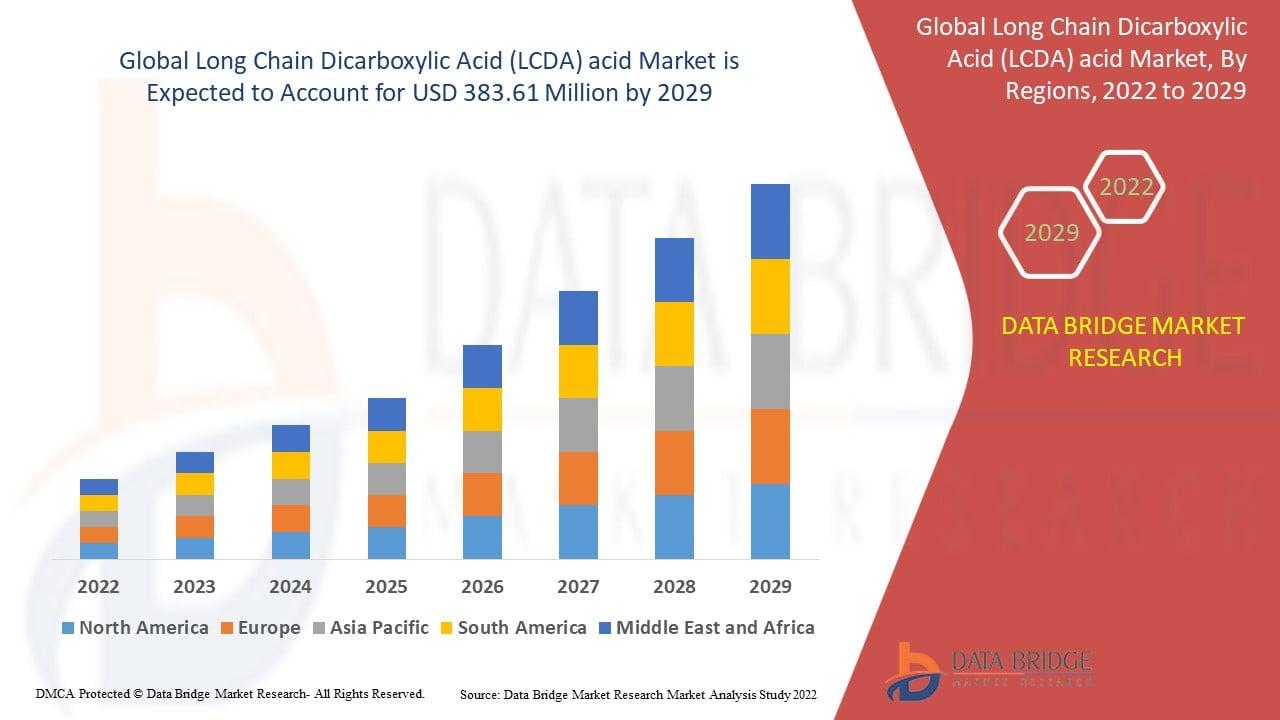
"Detailed Analysis of Executive Summary Long Chain Dicarboxylic Acid (LCDA) Acid Market Size and Share Data Bridge Market Research analyses that the long chain dicarboxylic acid (LCDA) acids market was valued at USD 224.10 million in 2021 and is expected to reach USD 383.61 million by 2029, registering a CAGR of 6.95% during the forecast period of 2022 to 2029.Long Chain Dicarboxylic...
The global Calcined Bauxite Market, valued at USD 1.7 billion in 2023, is projected to reach USD 2.5 billion by 2032, growing at a CAGR of 4.1% during the forecast period 2024–2032. The market’s steady growth is attributed to increasing demand from refractory, metallurgy, abrasives, and road surfacing applications, supported by global industrialization, infrastructure...

EE88 là nhà cái uy tín, cung cấp đa dạng sảnh cược nổi bật như Casino, Thể thao, Đá gà, Bắn cá, Nổ hũ… Nền tảng bảo mật chặt chẽ cùng loạt ưu đãi hấp dẫn mỗi ngày, đăng ký ngay để nhận thưởng giá trị từ hệ thống.Thông tin:Website: https://ee8886.pro/Email: contact@ee8886.proSĐT:...
