CNC Tool Use Cases in Modern Factories
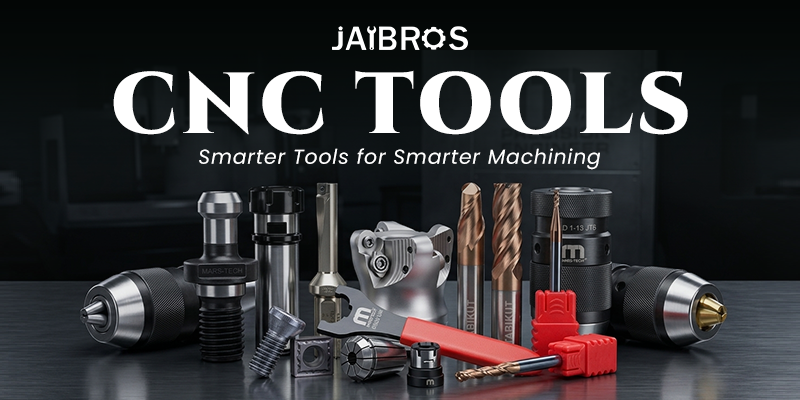
Discover CNC tool use cases in modern factories to improve precision, productivity, and efficiency across various manufacturing industries.
How CNC Tools Are Used in Modern Manufacturing Industries
Modern factories are evolving rapidly with the adoption of automation, digital systems, and advanced machining technologies. Industries today demand higher precision, faster production, and consistent quality to stay competitive in the global market. One of the key components driving this transformation is the CNC tool.
From small-scale workshops to large manufacturing plants, tooling solutions play a vital role in shaping materials into finished products. The integration of advanced machining systems has allowed manufacturers to produce complex components with remarkable accuracy and efficiency.
The Role of CNC Tools in Modern Manufacturing
In today’s industrial environment, a CNC tools is not just a cutting instrument—it is a critical factor in achieving precision and efficiency. These tools are used in automated machines that follow programmed instructions to perform tasks such as cutting, drilling, milling, and shaping materials.
Across different types of CNC machine systems, tools are designed to meet specific machining requirements. Whether working with metals, plastics, or composites, the right tooling solution ensures optimal performance and consistent results.
1. Automotive Industry Applications
The automotive industry relies heavily on advanced machining processes to manufacture engine components, transmission systems, and structural parts.
CNC are used to produce:
-
Engine blocks
-
Gear components
-
Brake systems
-
Suspension parts
The use of a CNC tool ensures high precision and repeatability, which is essential for maintaining safety and performance standards in vehicles.
2. Aerospace Manufacturing
Aerospace components require extreme precision and must meet strict quality standards. Even minor deviations can lead to serious consequences.
In this sector, CNC are used to machine:
-
Aircraft structural components
-
Turbine blades
-
Engine parts
Advanced tooling solutions enable manufacturers to work with difficult materials such as titanium and high-temperature alloys, ensuring reliability and durability.
3. Medical Equipment Production
The medical industry demands high accuracy and clean finishes for devices and instruments. CNC machining plays a crucial role in producing components used in surgical tools and medical equipment.
A high-quality tool allows manufacturers to create intricate designs with tight tolerances, ensuring that medical devices meet safety and performance requirements.
4. Electronics and Precision Components
Electronics manufacturing involves producing small and delicate components that require high precision. CNC machining is widely used for creating housings, connectors, and micro-components.
The use of advanced tool solutions ensures smooth finishes and accurate dimensions, which are essential for proper functionality in electronic devices.
5. Tool and Die Industry
The tool and die industry is responsible for creating moulds and dies used in mass production. These components require exceptional precision and durability.
CNC are used to manufacture:
-
Injection molds
-
Stamping dies
-
Forming tools
Using the best CNC tools ensures longer tool life and consistent quality in production processes.
6. Heavy Machinery Manufacturing
Factories producing heavy equipment and industrial machinery require robust and durable components. CNC machining is used to create large parts with high strength and precision.
A reliable tool helps manufacturers maintain accuracy even when working with large and complex components.
7. Custom Part Manufacturing
Many industries require customised components based on specific design requirements. CNC machining allows manufacturers to produce unique parts with high precision.
Whether it is a prototype or a small batch production, CNC solutions provide flexibility and efficiency in custom manufacturing.
8. High-Volume Production
Modern factories often operate on large-scale production lines. CNC machining systems are designed to handle high-volume manufacturing with minimal human intervention.
A well-selected tool ensures consistent performance across long production cycles, reducing downtime and increasing output.
9. Multi-Axis Machining Applications
Advanced machining systems use multi-axis machines to create complex geometries. These machines can move in multiple directions simultaneously, allowing for intricate designs.
Different types of CNC machine setups, including 3-axis, 4-axis, and 5-axis machines, rely on specialized tools to perform precise operations.
This capability is essential for industries requiring complex components with tight tolerances.
10. Digital Procurement and Tool Accessibility
The availability of tools has improved significantly with digital transformation. Manufacturers can now explore tools online platforms to compare products, specifications, and pricing.
Online sourcing makes it easier to find the right tools for specific applications.
Additionally, businesses often search for CNC tools near me to locate local suppliers who can provide quick delivery and technical support.
Benefits of CNC Applications in Modern Factories
Improved Precision
Automated machining ensures consistent accuracy across all components.
Increased Productivity
Faster machining speeds and reduced downtime improve overall output.
Cost Efficiency
Reduced labor costs and longer tool life contribute to savings.
Flexibility
Ability to produce complex and customized components.
Consistency
Uniform quality across large production batches.
Future of CNC Tools in Manufacturing
The future of manufacturing will be driven by smart technologies, including automation, artificial intelligence, and real-time data monitoring.
Advanced CNC tool solutions will continue to evolve, offering improved performance, durability, and efficiency. Smart tools equipped with sensors will enable predictive maintenance and optimize machining processes.
Manufacturers who adopt these innovations will gain a competitive advantage in the global market.
Conclusion
CNC machining has become an essential part of modern factories, enabling industries to achieve high precision, efficiency, and scalability. A high-performance CNC tool plays a crucial role in supporting various applications, from automotive and aerospace manufacturing to medical and electronics production.
Across different types of CNC machine systems, proper tool selection ensures consistent performance and reliable results. Manufacturers can explore CNC tools online platforms or search locally using CNC tools near me to find suitable solutions for their needs.
Investing in the best CNC tools allows businesses to improve productivity, reduce costs, and maintain high-quality standards.
At Jaibros, we are committed to delivering advanced tooling solutions that meet the evolving demands of modern manufacturing. With a focus on precision, durability, and innovation, Jaibros helps manufacturers achieve superior performance and long-term growth in today’s competitive industrial landscape.
FAQs
1. What are CNC tools used for in modern factories?
They are used for cutting, shaping, and machining materials with high precision in automated systems.
2. Which industries use CNC tools the most?
Automotive, aerospace, medical, electronics, and heavy machinery industries widely use CNC tools.
3. How do CNC improve productivity?
They enable faster machining, reduce downtime, and ensure consistent output.
4. Where can I buy CNC tools?
You can purchase them from online platforms or local suppliers based on your requirements.
5. Why are tools important in manufacturing?
They ensure precision, efficiency, and high-quality production in modern machining processes.
Κατηγορίες
Διαβάζω περισσότερα
Executive Summary Biodiesel Market : The biodiesel market is expected to gain market growth in the forecast period of 2022 to 2029. Data Bridge Market Research analyses the market to grow at a CAGR of 5.20% in the above-mentioned forecast period. The Biodiesel Market testimony reveals analysis and discussion of important industry trends, market size, and market share. The report...

The global Chocolate Market continues to experience steady growth, driven by changing consumer preferences, premium product demand, and expanding distribution channels. Chocolate remains one of the most popular confectionery products worldwide, with strong demand across both developed and emerging economies. Chocolate Market Size and Growth The global chocolate market was valued at...
Cricket is more than just a sport in India—it's a passion that unites millions of fans across the country. With the rapid growth of digital platforms, cricket enthusiasts are increasingly exploring online sports platforms to stay engaged with their favorite matches. One name that frequently appears in this space is Reddy Anna Book, a platform known for providing cricket IDs and access to...

A casino site is an online platform where you can play games of chance through a digital interface instead of a physical venue. You’ll notice that everything mirrors a land-based space—there are tables, spins, and payouts—but the interaction happens through software. Think of it as a virtual hall where the rules stay the same, yet the experience leans on your device, your...

In a world where first impressions are everything, your brand deserves more than ordinary visibility—it demands brilliance. That’s exactly what transparent sticker printing singapore delivers: a sleek, modern, and high-impact branding solution that instantly elevates your products, packaging, and promotions. Imagine your logo seamlessly blending onto glass, plastic, or any surface,...