


Open Banking Market Forecast 2026–2030: Growth, Trends, and Key Players
QKS Group reveals that the global Open Banking market is expected to reach a valuation of $10.39 billion by 2030, growing at a compound annual growth rate (CAGR) of 8.85% from 2026 to 2030. This growth reflects the increasing adoption of API-driven financial ecosystems, the rising demand for personalized banking experiences, and the global push toward greater financial transparency and innovation.
Open Banking represents a transformative shift in the financial services industry, moving beyond traditional banking models toward a more collaborative and interconnected ecosystem. At its core, Open Banking enables secure data sharing between banks, third-party providers, and fintech platforms through standardized application programming interfaces (APIs). These APIs allow authorized access to customer financial data and facilitate payment initiation, provided that customers give explicit consent.
This approach fundamentally changes how financial services are delivered. Instead of operating in isolated silos, banks can now collaborate with external partners to offer innovative products and services. This includes everything from personalized financial management tools and lending solutions to seamless payment experiences integrated into non-banking platforms.
Market Drivers and Challenges
The growth of the Open Banking market is driven by several key factors. One of the primary drivers is the increasing demand for digital financial services. As consumers become more digitally savvy, they expect seamless, convenient, and personalized banking experiences. Open Banking enables financial institutions to meet these expectations by integrating services across platforms and delivering real-time solutions.
Regulatory initiatives across various regions are also playing a significant role in driving adoption. Governments and regulatory bodies are encouraging the implementation of Open Banking frameworks to promote competition, innovation, and consumer protection. These regulations mandate data sharing and standardization, creating a level playing field for both traditional banks and fintech companies.
The rise of fintech innovation is another major growth driver. Fintech companies are leveraging Open Banking market APIs to develop innovative solutions that disrupt traditional financial services. From budgeting apps and payment solutions to lending platforms and investment tools, these innovations are reshaping the financial landscape.
However, the market also faces certain challenges. Data security and privacy concerns remain a significant barrier to adoption. While Open Banking frameworks include robust security measures, the increased sharing of financial data raises concerns about potential breaches and misuse. Ensuring secure data exchange and maintaining customer trust are critical for the success of Open Banking initiatives.
Strategic Market Direction
The strategic direction of the Open Banking market is closely aligned with broader trends such as embedded finance and Banking-as-a-Service (BaaS). While these concepts are often used interchangeably, they represent different layers of the same ecosystem. Open Banking provides the foundational infrastructure through secure data sharing and payment initiation capabilities, while embedded finance and BaaS extend these capabilities into non-financial platforms.
Vendors are increasingly focusing on building comprehensive API-driven ecosystems that enable seamless integration and collaboration. Standardized APIs are at the core of these ecosystems, ensuring interoperability and facilitating innovation. By providing secure and efficient data exchange mechanisms, these APIs enable financial institutions and third-party providers to develop new services and enhance existing ones.
Real-time analytics and data processing capabilities are also gaining importance. By analyzing transaction data in real time, financial institutions can offer instant insights, detect potential risks, and deliver personalized recommendations. This not only improves customer experience but also enhances operational efficiency.
To create successful Open Banking ecosystems, organizations must align their technical architectures with regulatory requirements and user expectations. This involves integrating API gateways, implementing robust security protocols, and ensuring seamless user experiences. Continuous testing and optimization are essential to refine offerings and maintain competitiveness.
Simulation of customer journeys is another emerging trend. By modeling different user scenarios, financial institutions can identify potential gaps, validate compliance, and enhance service delivery. This proactive approach helps organizations stay ahead in a rapidly evolving market.
Vendor Landscape
The Open Banking market is characterized by a diverse range of players, including technology providers, fintech companies, and established financial institutions. These vendors are focusing on innovation, partnerships, and global expansion to strengthen their market position.
Key vendors in this market include Banfico, Bud, CRIF, Envestnet, Fabrick, Fintech Galaxy, Klarna, Mastercard, MX Technologies, Ozone API, Plaid, Qwist, Salt Edge, Sopra Banking Software, Token, TrueLayer, Visa, and Yapily.
These vendors are leveraging cutting-edge technologies and strategic collaborations to drive innovation and expand their market presence. As the Open Banking ecosystem continues to evolve, competition is expected to intensify, leading to further advancements and enhanced value propositions for customers.
Categorii
Citeste mai mult
Healthcare providers today face an ever-increasing administrative workload alongside the core responsibility of patient care. Accurate documentation is critical for patient safety, regulatory compliance, and efficient practice management. Yet, many clinicians find themselves overwhelmed by electronic health record (EHR) entries, coding, and billing tasks. Virtual medical scribe services provide...

The home elevation is more than just the exterior of your house—it is the first impression that sets the tone for your entire property. A well-designed home elevation not only enhances the aesthetic appeal but also adds significant value to your property. Whether you are building a single floor home or a multi-storey house, the front elevation design plays a crucial role in defining your...

In today’s digital-first world, technology is advancing faster than ever—and with it, the risks. From data breaches to network failures, organizations across the globe are actively looking for skilled professionals who can secure systems and manage complex networks. This is where a Cybersecurity Course in Chandigarh becomes a powerful career move for students and working...

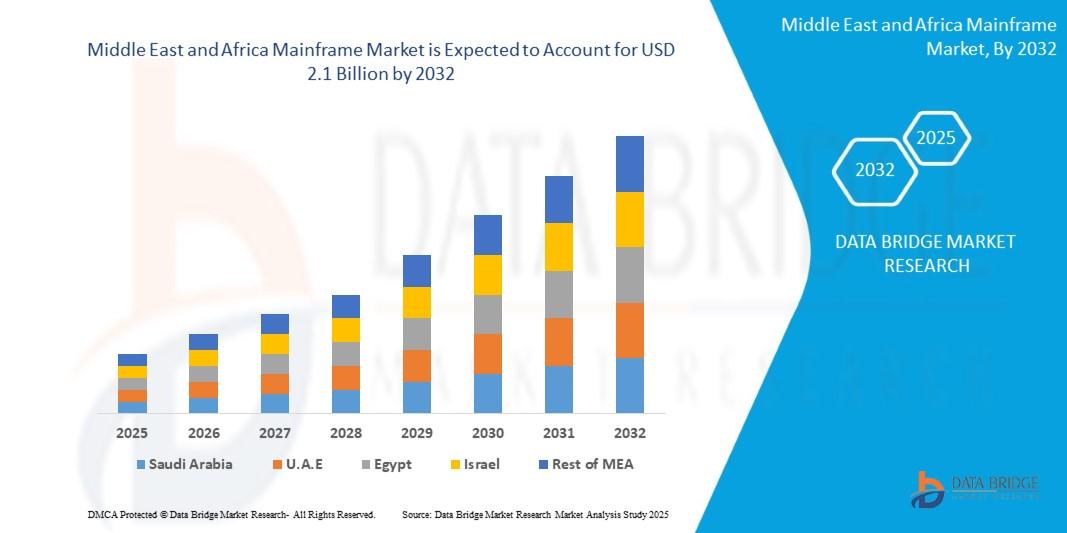
"Market Trends Shaping Executive Summary Middle East and Africa Mainframe Market Size and Share CAGR Value The Middle East and Africa mainframe market was valued at USD 1.5 billion in 2024 and is expected to reach USD 2.1 billion by 2032 During the forecast period of 2025 to 2032 the market is likely to grow at a CAGR of 3.7%, primarily driven by the...
"Global Executive Summary Automotive Original Equipment Manufacturer (OEMS) Market: Size, Share, and Forecast The global automotive original equipment manufacturer (OEMS) market size was valued at USD 36.98 billion in 2024 and is expected to reach USD 53.28 billion by 2032, at a CAGR of 4.67% during the forecast period The report has provided crucial...
