


Digital-First Logistics Company Registration in India: A Modern Guide for UK & European Businesses

India’s logistics sector is undergoing a technological transformation. With e-commerce growth, smart supply chain solutions, and government-backed infrastructure initiatives, the country has become a hotspot for international logistics investment. For UK and European companies, entering the Indian market through logistics company registration is not just a legal necessity—it’s a strategic opportunity to leverage emerging digital logistics trends.
This article provides a fresh, technology-focused perspective on setting up a logistics company in India, highlighting processes, compliance, and strategic growth for international investors.
Why Digital Logistics in India is a Strategic Opportunity
India’s logistics ecosystem is evolving rapidly:
- E-commerce surge: Online retail demands efficient delivery networks and real-time tracking.
- Government initiatives: Projects like the National Logistics Policy promote digitisation and integration of supply chains.
- Technology adoption: AI, IoT, and cloud-based platforms are revolutionising freight management.
- Growing market: Rising consumer demand across tier-2 and tier-3 cities fuels logistics requirements.
For UK and European businesses, this shift towards digital logistics offers a chance to enter a competitive market with advanced operational capabilities.
Choosing the Right Structure for Your Logistics Company
Selecting the appropriate legal structure is critical for compliance, scalability, and operational efficiency. Common options include:
Private Limited Company
- Allows 100% foreign ownership in most logistics services.
- Provides limited liability and a separate legal identity.
- Most suitable for companies planning large-scale operations.
Limited Liability Partnership (LLP)
- Offers flexibility and lower compliance requirements.
- Some foreign investment restrictions apply.
Branch or Liaison Office
- Useful for market exploration without full-scale operations.
- Cannot conduct direct revenue-generating activities.
For UK and European investors aiming for full operational control, a Private Limited Company is usually the most effective choice.
Step-by-Step Registration Process
A clear understanding of the logistics company registration process ensures a smooth market entry:
1. Obtain Digital Signatures (DSC)
Required for directors to securely sign electronic documents.
2. Apply for Director Identification Number (DIN)
Unique identification for all directors involved in the company.
3. Reserve Company Name
Submit a unique, compliant business name for approval via the Ministry of Corporate Affairs portal.
4. Submit Incorporation Documents
File the Memorandum of Association (MOA), Articles of Association (AOA), and details of directors and shareholders.
5. Tax Registration
Register for PAN, TAN, and GST to operate legally in India.
6. Open Corporate Bank Account
Essential for managing business transactions efficiently.
Licenses and Compliance for Logistics Operations
Depending on your services, additional licenses may be required:
- GST Registration – Mandatory for taxation and invoicing.
- Import Export Code (IEC) – Necessary for international freight operations.
- Transport Licenses – Required for operating commercial vehicles.
- Warehousing Approvals – Needed if running storage or fulfilment centers.
Ensuring timely compliance prevents legal hurdles and enables smooth operations.
Investment and Cost Considerations
Setting up a logistics company in India is cost-effective:
- Registration fees: Government and regulatory charges.
- Professional fees: Legal, accounting, and consultancy support.
- Operational costs: Office, fleet, and staff expenditures.
Typical setup costs range between £300 to £1,000, with ongoing compliance and operational costs varying by scale.
Taxation and Regulatory Compliance
India’s tax framework for logistics companies includes:
- Corporate Tax: Standard rates apply; incentives exist for new businesses.
- GST: A unified tax simplifies interstate operations.
- Annual Compliance: MCA filings, GST returns, and financial audits are mandatory.
Partnering with consultants like Stratrich ensures compliance while optimising financial efficiency.
Advantages for UK & European Companies
- Digital readiness: Adopt AI, cloud, and IoT solutions for efficient operations.
- Cost efficiency: Lower labour and operational costs than Europe.
- Market potential: Rapid growth in e-commerce and supply chain demands.
- Government support: Policies encourage FDI and modern infrastructure development.
Leveraging technology early provides a significant competitive advantage in India’s logistics market.
Challenges and Mitigation
Key Challenges
- Regional regulatory diversity
- Infrastructure gaps in rural locations
- Integration with local supply chain partners
Solutions
- Collaborate with local experts and consultants
- Invest in technology-driven logistics platforms
- Develop tailored regional strategies
How Stratrich Facilitates Market Entry
Stratrich specialises in supporting UK and European companies through the logistics company registration process:
- Business structure advisory and incorporation
- Regulatory compliance and tax planning
- Market entry strategy and operational guidance
- Digital logistics solutions implementation
With professional support, companies can reduce risks and accelerate growth.
Future Outlook
India’s logistics sector is poised for technology-led transformation:
- Smart warehouses with automated storage systems
- AI-powered route optimisation
- IoT-enabled fleet tracking
- Green logistics and sustainable supply chains
Early entry into India enables international businesses to establish leadership in the evolving digital logistics ecosystem.
Conclusion
Registering a logistics company in India is more than a formal process—it is a strategic step toward capitalising on one of the world’s fastest-growing markets. For UK and European companies, combining the right business structure, regulatory compliance, and digital logistics innovation ensures a strong competitive position.
With guidance from Stratrich, your logistics venture in India can achieve seamless market entry, operational efficiency, and long-term growth in the booming Indian market.
Категории
Больше
Military deployable infrastructure market constraints include the complexity of international regulatory compliance and the stringent security certifications required for defense-grade equipment. The global military deployable infrastructure market is undergoing a significant transformation, driven by the increasing need for rapid response capabilities, enhanced logistics, and...

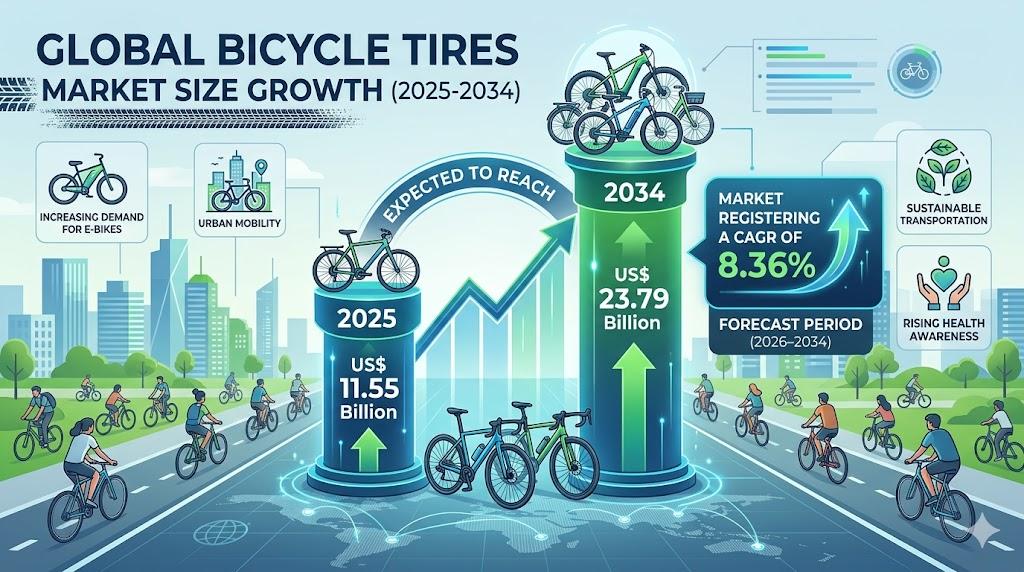
The global bicycle industry has experienced remarkable growth over recent years, driven by a global shift toward sustainable transportation and health conscious lifestyles. At the core of this eco-friendly transportation revolution is the bicycle tires market, which plays an essential role in ensuring vehicle safety, rider comfort, and performance efficiency. According to an extensive...
Gut health plays a vital role in maintaining overall wellness. In today’s fast-paced lifestyle, unhealthy eating habits, stress, lack of sleep, and environmental toxins often lead to digestive issues such as bloating, constipation, acidity, indigestion, and poor metabolism. This is where Ayurvedic detox therapy in India has gained immense popularity as a natural and holistic approach to...

Broadway Pizza has strategically expanded to key cities including Lahore, Karachi, Islamabad, and Rawalpindi. Each location offers dine-in, takeaway, and home delivery services to accommodate different customer needs. Using online maps or delivery apps makes it easy to find the nearest branch, allowing customers to enjoy their favorite pizzas conveniently wherever they are. Broadway Pizza in...
"Key Drivers Impacting Executive Summary Middle East and Africa Cardiac Computed Tomography (CCT) Market Market Size and Share The Middle East and Africa Cardiac Computed Tomography (CCT) market size was valued at USD 97.72 million in 2025 and is expected to reach USD 131.69 million by 2033, at a CAGR of 3.80% during the forecast period A few of the most...