Permanent Magnet Motor Market Forecast 2026–2036: Global Market to Reach USD 72.4 Billion by 2036

The global permanent magnet motor market is set to witness strong expansion over the next decade, growing from approximately USD 34.2 billion in 2026 to USD 72.4 billion by 2036, registering a CAGR of 7.8%, according to the latest analysis by Future Market Insights (FMI).
Market growth is being driven by the accelerating shift toward energy-efficient technologies, rising electrification across industries, and increasing adoption of electric vehicles (EVs). Permanent magnet motors are gaining traction due to their superior efficiency, compact size, and reduced energy losses compared to conventional motor technologies.
While traditional induction motors continue to be widely used due to their cost advantages and established infrastructure, industries are steadily transitioning toward permanent magnet-based systems to meet energy efficiency standards and sustainability targets. Regulatory pressure to reduce carbon emissions and energy consumption is further fueling the adoption of advanced motor technologies.
Permanent Magnet Motor Market Snapshot (2026–2036)
-
Market size in 2026: USD 34.2 billion
-
Market size in 2036: USD 72.4 billion
-
CAGR (2026–2036): 7.8%
-
Leading motor type: Interior Permanent Magnet (IPM) motors (~41.3% share)
-
Key application segment: Electric vehicles (~36.8% share)
-
Key growth regions: Asia Pacific, North America, Europe
-
Fastest-growing countries: China, India, United States, Germany, Japan
Momentum in the Market
Starting at around USD 34.2 billion in 2026, the permanent magnet motor market is expected to experience robust growth throughout the forecast period. The rising penetration of EVs, industrial automation, and renewable energy systems is expected to significantly boost demand by 2030.
Between 2030 and 2036, continued advancements in motor design, improved magnetic materials, and integration with smart control systems will further accelerate market expansion. Increased deployment of high-efficiency motors in HVAC systems, robotics, and industrial machinery is reinforcing long-term demand.
The Reasons Behind the Market's Growth
The demand for permanent magnet motors is increasing as industries focus on reducing energy consumption while improving operational efficiency. These motors offer higher power density, better torque performance, and lower maintenance requirements compared to conventional alternatives.
Government initiatives promoting energy-efficient equipment and electric mobility are playing a crucial role in market expansion. Incentives for EV adoption and stricter efficiency standards across industrial sectors are encouraging manufacturers to adopt permanent magnet motor technologies.
Additionally, the growing use of automation and smart manufacturing systems is driving demand for compact, high-performance motors capable of delivering precision control and reliability in complex applications.
Top Segment Application Type
Electric Vehicles Lead with Around 36.8% Share
Electric vehicles represent the dominant application segment, supported by global decarbonization efforts and increasing investments in EV infrastructure. Permanent magnet motors are widely used in EV powertrains due to their efficiency, compactness, and ability to deliver high torque at low speeds.
Motor Type: Interior Permanent Magnet (IPM) Motors Dominate (~41.3% Share)
Interior permanent magnet motors hold the largest market share due to their enhanced efficiency and performance characteristics. Other motor types, including surface-mounted permanent magnet motors, also contribute significantly to applications requiring precision and high-speed operation.
Regional Development: Asia Pacific, North America, and Europe Drive Expansion
Asia Pacific remains the leading growth region, supported by strong manufacturing ecosystems, rapid EV adoption, and increasing industrial automation.
-
China: 8.5% CAGR driven by EV leadership and industrial expansion
-
India: 7.9% CAGR supported by electrification and manufacturing growth
-
United States: 7.4% CAGR fueled by energy efficiency initiatives
-
Germany: 7.1% CAGR reflecting advanced industrial automation
-
Japan: 6.8% CAGR driven by robotics and automotive innovation
India’s growth is particularly influenced by government-led electrification initiatives, expanding EV production, and increasing adoption of energy-efficient industrial equipment.
Challenges, Trends, Opportunities, and Drivers
Drivers
-
Rising adoption of electric vehicles globally
-
Increasing demand for energy-efficient motor solutions
-
Expansion of industrial automation and smart manufacturing
Opportunities
-
Development of rare-earth optimized and alternative magnet materials
-
Growth in renewable energy applications such as wind turbines
-
Integration with IoT-enabled smart motor systems
Trends
-
Shift toward high-efficiency and compact motor designs
-
Increasing use of advanced magnetic materials
-
Adoption of digital monitoring and predictive maintenance technologies
Challenges
-
High dependence on rare earth materials
-
Supply chain volatility for magnetic components
-
Higher initial costs compared to conventional motor technologies
Country Growth Outlook (CAGR 2026–2036)
-
China: 8.5%
-
India: 7.9%
-
United States: 7.4%
-
Germany: 7.1%
-
Japan: 6.8%
The Competitive Environment
The permanent magnet motor market is highly competitive, with innovation, efficiency, and material optimization serving as key differentiators.
Leading companies include Siemens AG, ABB Ltd., Toshiba Corporation, Nidec Corporation, Mitsubishi Electric Corporation, and Rockwell Automation. These players are focusing on advanced motor technologies, strategic partnerships, and investments in R&D to strengthen their market position.
For a comprehensive strategic outlook and detailed insights into technological advancements shaping the industry through 2036, readers can explore the full report on the official Future Market Insights website - https://www.futuremarketinsights.com/reports/permanent-magnet-motor-market
Categories
Read More
The Affective Computing Market is witnessing remarkable growth as organizations increasingly adopt artificial intelligence technologies capable of recognizing, interpreting, and responding to human emotions. The market is valued at USD 111.88 billion in 2025E and is projected to reach USD 918.28 billion by 2033, expanding at a CAGR of 30.1% during the forecast period from 2026 to 2033. The...

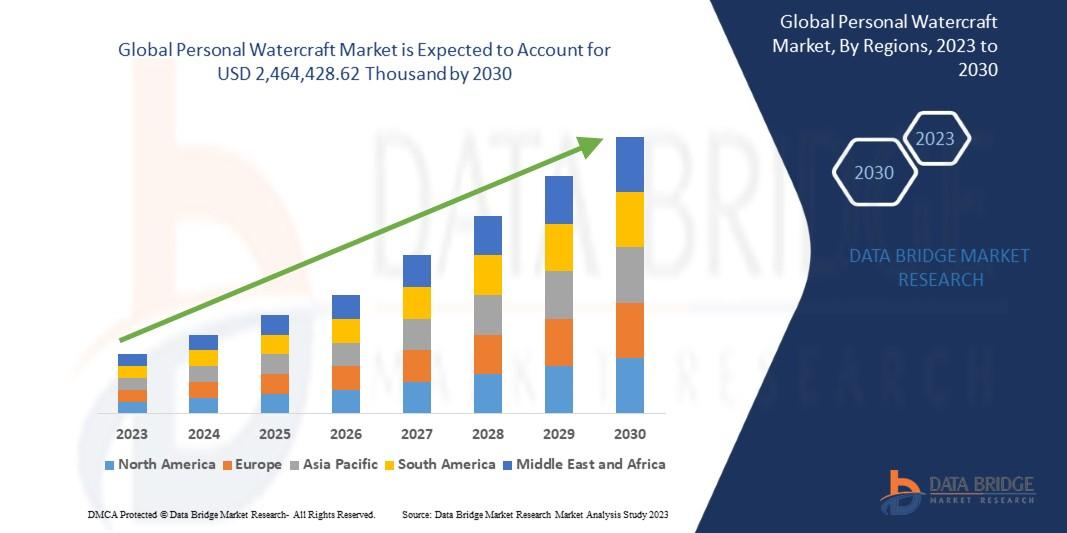
"Executive Summary Personal Watercraft Market: Share, Size & Strategic Insights Data Bridge Market Research analyses that the global personal watercraft market is expected to reach USD 2,464,428.62 thousand by 2030, growing at a CAGR of 4.8% during the forecast period. This Personal Watercraft Market research report is a detailed synopsis on the study of Personal Watercraft Market...
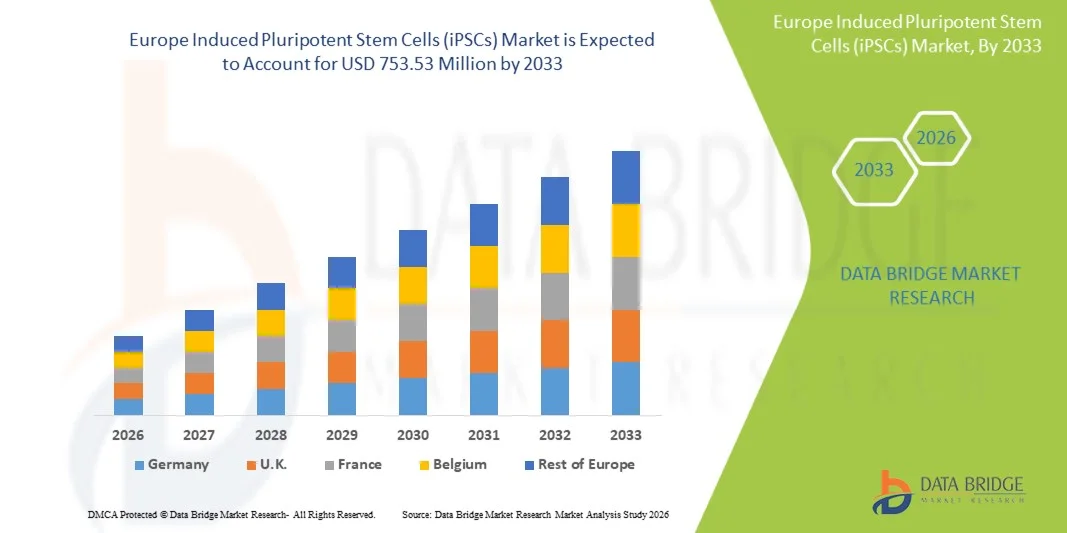
"Europe Induced Pluripotent Stem Cells (iPSCs) Market Summary: According to the latest report published by Data Bridge Market Research, the Europe Induced Pluripotent Stem Cells (iPSCs) Market The Europe Induced Pluripotent Stem Cells (iPSCs) market size was valued at USD 380.96 million in 2025and is expected to reach USD 753.53 million by 2033, at a CAGR of...
Seit der Veröffentlichung des mobilen Sammelkartenspiels haben sich die täglichen Gratis-Päckchen als verlockender Einstieg erwähnt. Doch der wahre Schatz liegt nicht nur in den unmittelbaren Kartenfunden. Die Spielwährung, bekannt als Pack-Sanduhren, sollte strategisch eingesetzt werden. Einige erfahrene Spieler haben bereits damit begonnen, große Vorräte...

Meta Shifts and Top Decks The premier pocket tournament just concluded with an incredible turnout. Grails.gg's $10k Pocket Royale, organized by ursiiday, attracted a record-breaking 2,829 participants. This massive event signals a clear evolution in the competitive landscape. We're observing significant meta shifts that are already influencing the ranked ladder. Let's analyze the top-performing...