A Complete Guide to Cotton Fabric Dyeing Techniques
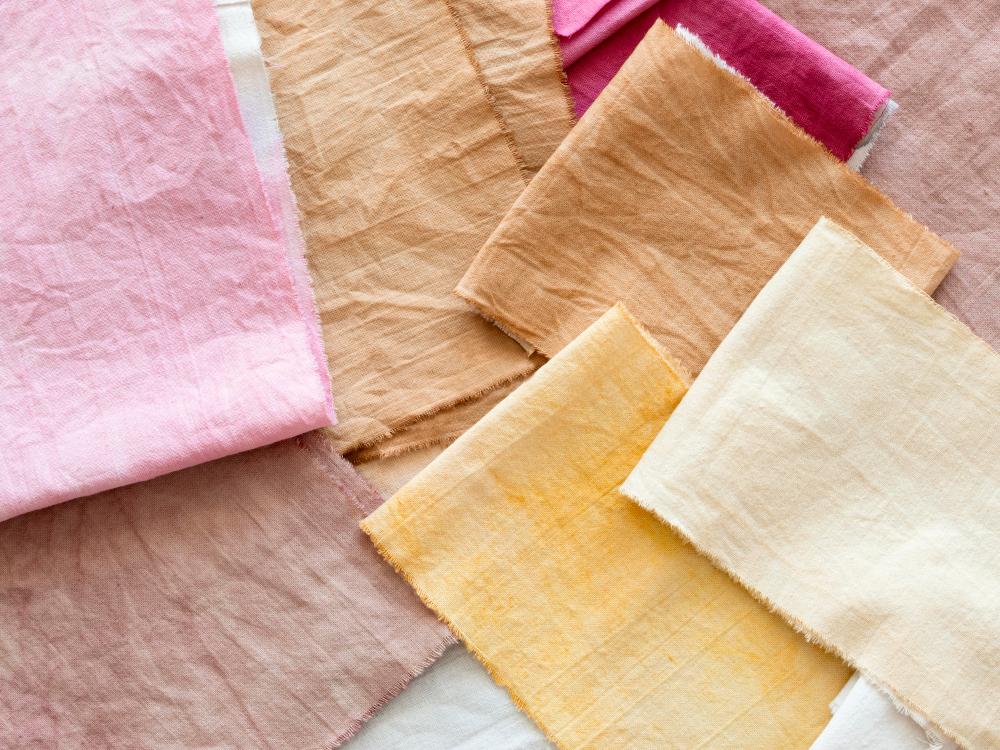
Fabriclore Pvt Ltd stands as one of the best local and online stores and suppliers for premium textiles. Whether you need a small test batch or cotton fabric wholesale, starting with high-quality material is the foundation of any great project. Cotton remains a top choice for textile dyeing due to its highly absorbent natural fibers.
Dyeing cotton fabric is both an art form and a highly practical skill. Fashion brands and independent designers rely on specific dyeing methods to create custom colors and patterns that set their garments apart. Mastering these techniques gives you complete control over your final product.
Before you buy fabric online for your next clothing line, understanding the core dyeing methods ensures you achieve the exact finish you need. This guide breaks down the different dye types, essential tools, and popular techniques you can use to transform plain cotton into a finished masterpiece.
Types of Dyes for Cotton Fabric
Choosing the right dye determines the colorfastness, vibrancy, and longevity of your cotton fabric.
Fiber Reactive Dyes
Fiber reactive dyes form a permanent chemical bond with cellulose fibers like cotton.
- How they work: The dye molecules actually attach to the fabric molecules, becoming a permanent part of the textile.
- Advantages: They yield highly vibrant, permanent, and colorfast results. The colors will not wash out over time.
- Disadvantages: The process requires specific temperature and pH levels to work correctly. It also requires multiple rinses, which can create a mess.
Natural Dyes
Artisans extract natural dyes from plants, insects, and minerals.
- Sources: Common sources include indigo leaves, madder root, and cochineal insects.
- Advantages: These dyes are highly eco-friendly and produce unique, earthy hues that synthetic dyes cannot replicate.
- Disadvantages: Natural dyes are generally less colorfast. The extraction process is time-consuming, and they often yield much more subtle shades.
All-Purpose Dyes
All-purpose dyes, such as Rit Dye, are readily available and simple to use.
- Composition: They contain a mix of direct dyes (for cotton) and acid dyes (for wool and silk).
- Advantages: They offer great accessibility and ease of use for quick projects.
- Disadvantages: They are less vibrant and less colorfast than fiber reactive dyes. The colors tend to fade faster with frequent washing.
Essential Tools and Materials for Dyeing
Proper preparation ensures a smooth dyeing process. Gather these essential tools before you begin:
- Safety gear: Always wear rubber gloves, a dust mask (when handling dye powders), and an apron to protect your skin and clothing.
- Dyeing vessels: Use large plastic buckets, tubs, or stainless steel pots. Avoid aluminum or cast iron, as they can react with the dye chemicals.
- Measuring tools: Keep a set of measuring spoons, cups, and a digital scale dedicated solely to dyeing.
- Stirring implements: Use long stainless steel or plastic spoons to agitate the fabric constantly.
- Fabric preparation materials: You need a mild detergent for scouring (cleaning) the fabric. If you use natural dyes, you will also need a mordant, like alum, to help the color adhere.
Popular Cotton Dyeing Techniques
Different application methods yield drastically different results on cotton fabric.
Immersion Dyeing
Immersion dyeing creates a solid, uniform color across the entire fabric.
- Step-by-step process: Fill a vessel with water, dissolve your dye, and add the necessary fixatives. Submerge the wet fabric completely and stir continuously.
- Tips for even coverage: Ensure the fabric has plenty of room to move freely in the dye bath. Constant agitation prevents dark spots and uneven patches.
Tie-Dyeing
Tie-dyeing involves folding, twisting, and binding the fabric to create striking patterns.
- Folding and tying methods: Popular methods include the spiral, the crumple, and the bullseye. Secure the folds tightly with rubber bands or string.
- Dye application: Apply highly concentrated liquid dye directly onto the bound sections using squeeze bottles.
Shibori
Shibori is a classic Japanese resist dyeing technique.
- Methods: It involves intricate folding, pleating, stitching, and binding of the fabric before dyeing.
- Unique patterns: This technique typically uses indigo dye and results in sharp, geometric, and highly detailed white and blue patterns.
Ombre/Gradient Dyeing
Ombre dyeing creates a gradual transition from a dark shade to a light shade (or from one color to another).
- Achieving the transition: Dip the bottom portion of the fabric into a concentrated dye bath.
- Blending: Slowly lift the fabric out of the bath in stages, or gradually add more water to the dye bath to lighten the concentration as you dye higher up the fabric.
Batik
Batik uses hot wax as a resist agent to create intricate designs.
- Applying wax: Paint or stamp hot melted wax directly onto the cotton. The wax prevents the dye from penetrating those specific areas.
- Dyeing and removal: Submerge the fabric in a cool dye bath (hot water will melt the wax). Once the dye sets, boil the fabric to remove the wax, revealing the undyed pattern beneath.
Tips for Successful Cotton Dyeing
Follow these industry-standard practices to get the best results from your dyeing projects.
- Fabric preparation: Always pre-wash your cotton fabric to remove sizing, oils, and dirt. Weigh the dry fabric to calculate the exact amount of dye and fixative required.
- Achieving desired color intensity: Adjust the dye concentration and the time the fabric spends in the bath. More dye and longer soaking times yield deeper colors.
- Fixing the dye: Use soda ash for fiber reactive dyes to raise the pH and force the chemical bond. Use specific metal mordants for natural dyes.
- Washing and caring: Rinse dyed fabrics in cold water until the water runs clear. Wash the fabric separately with a specialized textile detergent to remove excess unbonded dye.
Troubleshooting Common Dyeing Issues
Even experienced dyers run into problems. Here is how to handle the most common issues:
- Uneven dyeing: This usually happens when the dye bath is too crowded or the fabric wasn't stirred enough. Always use a large enough vessel and agitate continuously.
- Fading colors: Fading occurs if you skip the fixative step or use all-purpose dyes for garments that require heavy washing. Switch to fiber reactive dyes for permanent results.
- Dye bleeding: If the color bleeds onto other garments in the wash, you did not rinse out all the excess dye. Rinse thoroughly in cold water, then wash in hot water with a textile detergent to clear the remaining loose particles.
Start Your Custom Textile Project
Cotton fabric dyeing offers endless ways to customize your textile products. From precise immersion dyeing to intricate shibori patterns, each method provides a unique way to bring your creative concepts to life. Experimenting with different dyes and techniques allows you to find the perfect finish for your brand.
When you are ready to scale up your production, sourcing the right base materials is crucial. Rely on Fabriclore Pvt Ltd to supply the high-quality cotton fabric you need to make your customized designs a reality.
Categorie
Leggi tutto
Polaris Market Research has published a brand-new report titled Lithium Mining Market Share, Size, Trends, Industry Analysis Report, By Type (Chloride, Hydroxide, Carbonate, and Concentrate); By Source; By End-Use; By Region; Segment Forecast, 2023-2032 that includes extensive information and analysis of the industry dynamics. The opportunities and challenges in the report's dynamical...

A fresh update has been rolled out for Dune: Awakening, focusing on enhancing endgame activities for both PvE and PvP enthusiasts. Notably, players can now farm Tier 6 resources more efficiently within the deep desert's PvE zones, which have been expanded from a mere 10% to half of the map, making resource gathering less dependent on risky PvP areas. This patch also introduces increased...

Creating a home that reflects your personality and supports your lifestyle is one of the most rewarding investments you can make. Whether you’re starting from the ground up or updating key spaces, the right team can turn your ideas into a reality. At Keechi Creek Builders, we specialize in delivering high-quality results through expert custom home building Houston and trusted services as...

In Last War: Survival, enhancing your heroes' equipment is crucial for gaining an edge in battles, with gear blueprints serving as the foundation for upgrades. As your gear progresses beyond level 40, acquiring and utilizing these blueprints becomes increasingly vital to unlock higher star levels and maximize hero potential. There are two main categories of blueprints essential for gear...

The water bottle market is rapidly evolving due to a convergence of technology, sustainability, and consumer wellness trends. Rising awareness about hydration, coupled with concerns about single-use plastics, has created opportunities for durable, reusable bottles. Companies are exploring materials such as stainless steel, glass, and BPA-free plastics while integrating smart features for...