


How to Extend the Life of Your CNC Tool
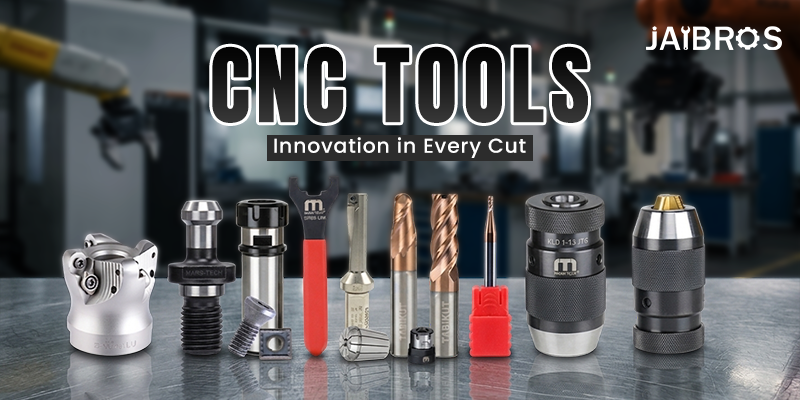
Proven Ways to Extend CNC Tools Life for Higher Efficiency and Lower Costs
In modern manufacturing, efficiency and cost control are critical for success. One of the key factors that directly impacts both is the lifespan of machining tools. Extending tool life not only reduces operational costs but also ensures consistent performance and improved productivity. Proper maintenance, correct usage, and smart strategies can significantly increase the durability of CNC tool while maintaining high-quality machining results.
Whether you are running a small workshop or a large industrial facility, understanding how to care for and optimise your tools is essential. This guide explores practical methods to extend tool life and improve overall machining efficiency.
Understanding Tool Wear in Machining
Tool wear is a natural part of machining processes. As cutting operations continue, tools gradually lose their sharpness and effectiveness.
Common types of wear include flank wear, crater wear, and chipping. These issues can affect surface finish, accuracy, and overall machining quality.
By understanding the causes of wear, manufacturers can take preventive measures to extend the life of CNC tools and maintain consistent performance.
Types of CNC Machines and Their Impact on Tool Life
Different machining processes affect tools in different ways. Knowing the types of CNC machines helps in applying the right maintenance strategies.
CNC Milling Machines
These machines involve continuous cutting, which can lead to gradual tool wear over time.
CNC Turning Machines
Turning operations generate heat and friction, which can impact tool life if not managed properly.
CNC Drilling Machines
Drilling creates high pressure and heat, requiring tools with strong durability.
CNC Grinding Machines
Grinding tools experience abrasive wear and require regular maintenance.
Each machine type requires specific care to ensure CNC tools last longer and perform efficiently.
Use the Best CNC Tools for Better Durability
One of the simplest ways to extend tool life is by choosing the best CNC tools available. High-quality tools are made from advanced materials and designed to withstand demanding machining conditions.
Premium tools offer better resistance to heat, wear, and pressure, which helps them last longer compared to lower-quality alternatives. Investing in high-quality tools reduces the need for frequent replacements and ensures consistent performance.
Optimise Cutting Parameters
Cutting parameters such as speed, feed rate, and depth of cut have a significant impact on tool life.
Using incorrect parameters can cause excessive heat and stress, leading to faster wear and damage. On the other hand, optimised settings ensure smooth cutting and reduce strain on CNC tools.
Manufacturers should always follow recommended cutting conditions based on the material and tool specifications.
Proper Tool Coating and Material Selection
The material and coating of a tool play a major role in its durability. Carbide tools, for example, are known for their hardness and wear resistance.
Coatings such as titanium nitride and aluminium oxide reduce friction and protect tools from heat. These coatings help CNC tools perform better under high-speed machining conditions and extend their lifespan.
Ensure Effective Cooling and Lubrication
Heat is one of the biggest factors that reduces tool life. Excessive heat can cause tool deformation and wear.
Using proper coolant and lubrication systems helps control temperature and reduce friction. This not only extends the life of CNC tools but also improves surface finish and machining accuracy.
Coolants also help in chip removal, preventing buildup that can damage tools.
Maintain Proper Tool Handling and Storage
Proper handling and storage are often overlooked but are crucial for maintaining tool quality.
Tools should be stored in a clean, dry environment to prevent corrosion and damage. They should also be handled carefully to avoid chipping or breaking.
By maintaining proper storage practices, manufacturers can ensure that CNC tools remain in good condition for longer periods.
Monitor Tool Wear Regularly
Regular inspection of tools helps identify wear and damage before it becomes a major issue.
Monitoring allows operators to replace tools at the right time, preventing poor machining quality and unexpected downtime.
Using advanced monitoring systems can further improve the performance of CNC tools by providing real-time data on tool condition.
Reduce Machine Vibration
Vibration during machining can negatively impact tool life. It can cause uneven wear and even lead to tool breakage.
Using stable setups, proper clamping techniques, and balanced tools helps minimise vibration.
Reducing vibration ensures smoother operations and extends the life of CNC tools.
Use CNC Tools Online Platforms for Better Selection
Finding the right tools is easier with the availability of CNC tools on online platforms. These platforms provide detailed specifications, allowing manufacturers to choose tools that match their requirements.
Online purchasing also enables easy comparison of products, helping businesses select durable and high-performance tools.
Additionally, many businesses search for CNC tools near me to find local suppliers who can provide quick access and support services.
Train Operators for Proper Tool Usage
Skilled operators play a crucial role in extending tool life. Proper training ensures that tools are used correctly and efficiently.
Operators should understand how to select tools, set parameters, and monitor performance.
Well-trained professionals can maximise the efficiency of CNC tools and prevent unnecessary wear and damage.
Adopt Smart Technology and Automation
Modern manufacturing is moving towards automation and smart technology. Advanced systems can monitor tool performance and optimise machining processes in real time.
Smart CNC tools equipped with sensors can detect wear and provide alerts for maintenance. This helps in extending tool life and improving overall efficiency.
Benefits of Extending CNC Tool Life
Extending tool life offers several advantages:
-
Reduced operational costs
-
Improved machining efficiency
-
Consistent product quality
-
Less downtime and interruptions
-
Better return on investment
By focusing on tool maintenance and optimisation, manufacturers can achieve long-term benefits.
Conclusion
Extending the life of machining tools is essential for improving productivity and reducing costs in manufacturing. CNC tools play a critical role in machining operations, and their durability directly impacts performance and efficiency.
By choosing high-quality tools, optimising cutting parameters, and implementing proper maintenance practices, manufacturers can significantly increase tool lifespan. The use of advanced technologies and skilled operators further enhances tool performance.
For businesses seeking reliable and durable tooling solutions, Jaibros offers a wide range of precision-engineered products. With a commitment to quality and innovation, Jaibros provides tools that deliver exceptional performance and long-lasting durability. Choosing Jaibros ensures efficiency, reliability, and success in modern machining operations.
FAQs
How can I extend the life of CNC tools?
You can extend tool life by optimizing cutting parameters, using proper cooling, and maintaining tools regularly.
Why is tool coating important?
Coatings reduce friction, improve heat resistance, and protect tools from wear, extending their lifespan.
Where can I buy CNC tools?
You can purchase tools from local suppliers or explore online platforms offering a wide range of options.
How does cooling affect tool life?
Proper cooling reduces heat and friction, preventing damage and extending tool durability.
What role does operator skill play in tool life?
Skilled operators ensure correct tool usage, reducing wear and improving overall performance.
You have not enough Humanizer words left. Upgrade your Surfer plan.
Categorias
Leia Mais
Keeping your outdoor space neat and healthy doesn’t have to be hard. With professional Lawn Mowing Clovelly services, homeowners and property managers can enjoy a well-maintained lawn without the stress of doing it themselves. A tidy lawn not only improves the look of your property but also supports healthier grass growth year-round. Reliable Lawn Mowing Services for Every Property...

Introduction The healthcare sector is expanding at a very fast pace- Hospital, clinics and healthcare providers search to hire trained professionals who can appropriately manage medical documentation. Medical scribes can help doctors by carefully keeping patient records, documenting clinical notes, and streamlining the workflow. With evolving healthcare services, the requirement for...

The stage is set in Summer Games 2028. The city moves with a clear purpose. New plans rise each day. The pace is quick. The goal is firm. This event will shape sport for years. The Olympic plan is broad and bold. It seeks growth. It seeks change. That shift is now easy to see across many fields. Travelers across the globe can arrange their plans for the Los Angeles Olympic 2028 with ease...

Achieving ce certification is a major milestone for any manufacturer looking to sell products in the European market. This mark not only represents compliance with EU safety, health, and environmental requirements but also builds customer trust and expands market access. However, many businesses find the journey confusing, especially if they are new to regulatory processes. This guide breaks...
If you’ve been spending time in the online betting world recently, you’re probably heard of Karthikeya 247 more than once. From cricket exchange markets to fast withdrawals, this site is receiving serious interest among Indian punters. As a betting expert who has tried multiple exchanges over the years I am going to take you through - the lot, honestly, clearly and...